Better patrol operations with patrol-led Drone as First Responder
Adding drones to patrol operations helps law enforcement agencies quickly gain aerial intelligence, whenever and wherever it is needed. This increases the safety of both first responders and the communities they serve.
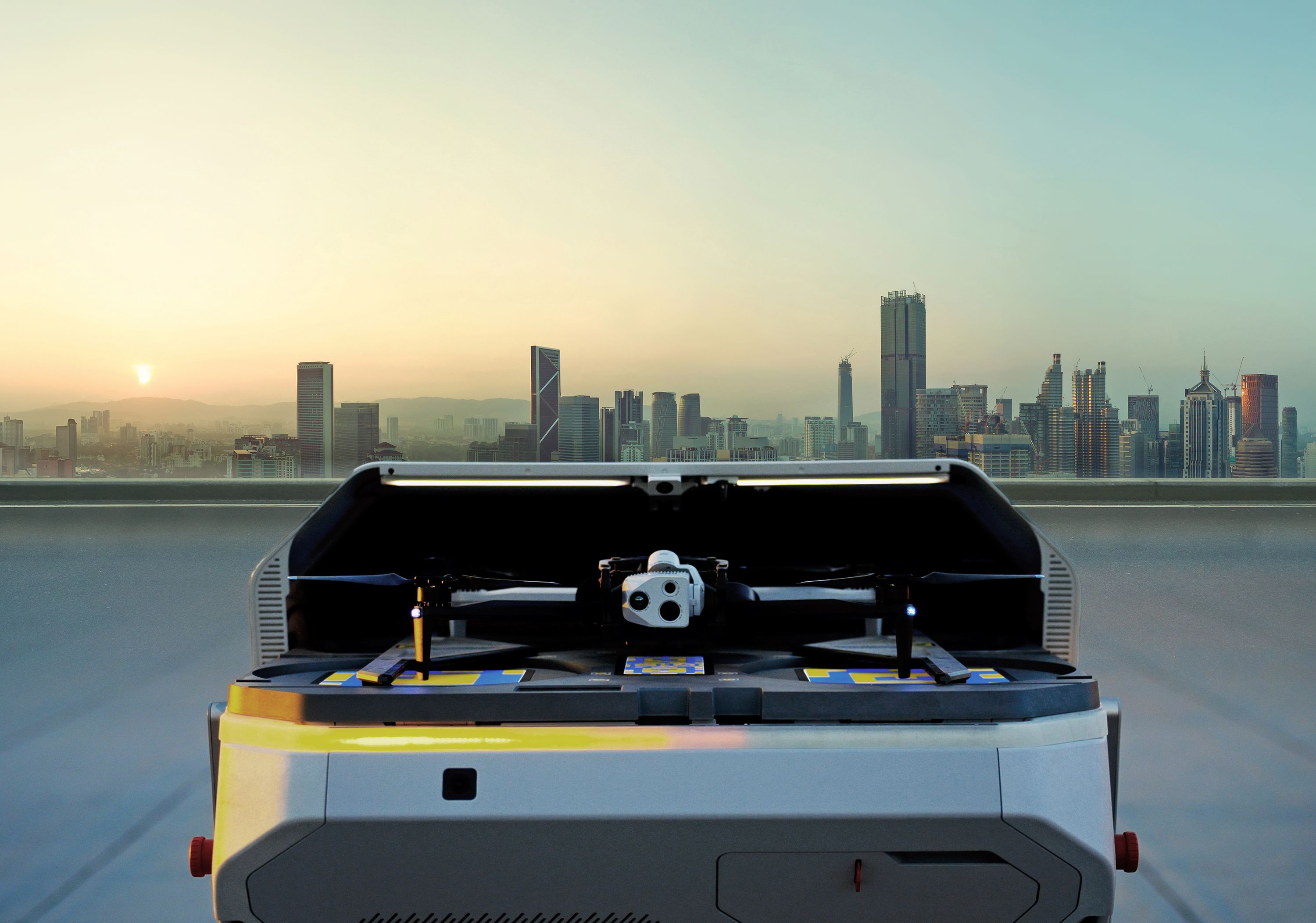
Skydio X10 introduces cellular connectivity and Skydio Remote Flight Deck – making Patrol-Led Drone as First Responder (DFR) possible. Patrol officers can activate a drone on scene and pass control to a pilot in another location to fly a drone remotely. Agencies can readily scale a drone program throughout a patrol division.
Watch this webinar to:
- Explore the newest features of the Skydio X10 as they apply to patrol operations
- Learn the benefits of adding drone response to daily calls for service
- Understand key regulatory approvals and waivers required
- Hear success stories from the field about the use of Skydio Remote Flight Deck
Learn more about Skydio DFR.
- I am joined today by some incredibly influential people in
- both the drone and public safety worlds who will provide a lot of
- insight into different methods of deployment,
- the benefits of using drones in patrol operations, and a deep
- dive into the Skydio regulatory team, with an overview
- of the different waivers that currently exist for law enforcement
- operations and make patrol-led drone as first responder a reality.
- So with that, I'll hand it off to the team. Fritz,
- we'll start with you.
- Can you give our viewers a quick intro and a background?
- Sure. Thanks, Noreen. Um, my name's Fritz Reber.
- I'm head of public safety integration at Skydio.
- Been with Skydio little over four years now.
- Um, prior to that I was a, uh,
- captain at the Chula Vista Police Department.
- Um, also the UAS commander, and that's where
- I s- initiated the Drone as First Responder
- program.
- Worked for about a year in retirement, uh, with, uh, the team there,
- uh, Chief Kennedy and, and Vern Staley and, and others.
- Um,
- and also spearheaded the Tactical Beyond Visual
- Line of Sight waiver, which Chula Vista was the first to get,
- and looking forward to the discussion here.
- Thanks. Jakey, you wanna go next?
- Yep, you bet. Uh, everyone, I'm Jakey Stults.
- I'm part of the regulatory team, uh, here at Skydio.
- Um, it's been almost two years for me, uh, working with customers, uh, and the
- FAA to unlock different types of advanced operations,
- mostly beyond visual line of sight.
- Uh, before I joined Skydio I spent eight years
- at a UAS test site doing
- different kinds of UAS research and advanced
- operations. Um, I also spent a couple years,
- uh, with the sheriff's department here in
- North Dakota actually flying small
- UAS. It was kind of before Part 107 when you had to have a, a pilot's
- license to, to even fly a small drone.
- Um, so I flew, flew small drones for them for a couple
- years and then kind of
- transitioned into a, a SME for them.
- Um, and I do have my, uh, crewed and uncrewed, uh, certificates as
- well, so I'm a commercial pilot flight
- instructor.
- And over to you, Aaron.
- Awesome. Thanks, Jakey. Uh, Aaron Begley.
- I'm a senior solutions engineer here at Skydio.
- Um, I've been with the company for about three
- years now.
- Um, prior to Skydio, I got into drones about 10 years ago
- when I was in the
- National Guard. That's what got me interested.
- Uh, spent a large portion of my time flying a
- lot of, uh, competitor aircraft,
- working with a lot of different, um, agencies, manufacturers, and really
- working with, with public safety.
- Um, since joining Skydio about three years
- ago, um, I've been working with a lot
- of our teams across, uh, especially the western half of the US,
- a lot of our large,
- um, metro police departments as well as large
- sheriff departments, large
- deployments there. Um, working over the, the really the past couple
- years that I've been at Skydio on the DFR approach.
- So we've got some customers that have now gotten enabled, um, that
- are s-
- on that, that path forward with it.
- So, um, really, really appreciate you all being here
- today.
- I imagine there might be some friendly faces.
- I've been traveling all over the western half of the US, so I'm sure there might be
- some people who, uh, who, who we've met before, but, uh,
- really appreciate
- everybody joining on today.
- Excellent. And I'm Noreen Charlton.
- I lead public safety strategy here at Skydio.
- Prior to that, I was in the world of 3D documentation for
- public safety
- scenes, and I spent more than a decade with the
- Las Vegas Metropolitan Police
- Department as a crime scene analyst.
- So next we wanna make sure that right up the bat we are all using the
- same terminology. So Fritz, I will hand it over to you so we can start
- with
- patrol-led deployment.
- And perfect. Yeah, enough of the script.
- Let's get into some conversational discussion about, uh, drones.
- So I'll lead us off. We did a webinar not too long ago that,
- uh, talked a lot about
- patrol-led, um, DFR and laid out some of the
- patrol-led deployment and, and DFR in and itself, and kind of how do they
- interrelate. You also may have seen a demo, uh, at the
- Ascend where we demonstrated what patrol-led DFR looks like.
- Um, so we'll go over that first, and it'll really lead into some of the
- discussion
- that Aaron's gonna have in terms of working with customers today,
- what it looks
- like, what we're capable of doing.
- Um, and then obviously getting, get into, uh, Jakey talking about
- the regulatory structure that would be required to do these things.
- That, those questions came up last time we
- were talking about patrol-led DFR.
- Um, you know, what type of regulat- regulation relief is, is
- necessary? Where are we at in the industry?
- And, uh, so we, we really wanna do a deeper dive on that.
- But of course we gotta start with, um, discussing the different l- types
- of, uh, deployment methods, sort of lay the groundwork and,
- and as Noreen
- said, like the nomenclature so we all know what
- we're talking about.
- It's kind of like the nature of science.
- Uh, you know, your first year is making sure we're all speaking the same
- language,
- so learning all the terms.
- Um,
- so I'll start with patrol-led deployment.
- And what we kind of, uh, saw, like, you know, still in
- early science, right? Deployment, uh, patrol operations,
- DFR, uh, drone operations in public safety,
- still early science, and we're
- learning that how you deploy drones matters as much as the type of
- drones you use, and really would define the type of drones
- you use and, and the,
- the capabilities they have. Um, when people started first
- starting drone programs in public safety they would, you know, hand it
- to those that were interested and train them and then say, "Okay,
- here's your
- drone, and if someone needs a drone at a scene,
- give them a call and we'll,
- we'll drive out there and assist them." Um,
- you'd either do that, sort of
- randomly give it to anybody who was interested, or you might give it to a
- specialized team, um, ESU team or a, like
- a, a technical assistant team, because they have the time to,
- to train on it and
- learn this advanced capability. Um, but, but then
- other agencies were just giving them out to patrol and realizing the value of
- having a drone there in the first minutes.
- And OKC was really the first one to sort of intentionally do this.
- Captain Busert, um, Dax Laporte, they, they intentionally
- designed their team to get the drone there- At the very
- first moments of an incident. Um, they called it patrol-led deployment, and
- basically they issued, uh,
- you know, in this case, Skydio drones to patrol operations.
- They spread the drones across different areas and beats and across
- the shifts, all shifts, with the idea, let, let's not just give it to the people
- who wanna fly drones, let's give it to the people who
- are gonna be there in the
- first minutes of an incident. And their first, uh,
- role with the drone is to get
- it up, get it streaming, get that stream back to incident commanders,
- watch
- commanders, supervisors, um, or other responding officers, and then
- really show the value of having that level of situational awareness.
- Someone that's at a high advantage point looking down, sort of able to
- be, uh, orchestrate the scene.
- So that's, that's, uh, the, the fundamental levels.
- And then of course, uh, my experience at Chula Vista was thinking,
- how do we
- get drones there before people? And that's where DFR came in.
- If we switch slides.
- Um,
- so DFR is defined as pre-positioned drones
- ready to launch in a moment's notice with the intent to get there actually before
- ground units. It doesn't always happen, but most DFR programs, they'll,
- they'll keep stats on how often that drone does arrive.
- And there's really no other way to get a drone on scene rather than to have it,
- like, ready to go at a moment's notice.
- You're listening to 911 calls, you're, you're monitoring CAD, you're listening to
- the radio, you're listening for, f- you know, these flock activations,
- LPR hits,
- airbag deployments, shots, gunshot detection, any kind of
- incoming information about what's happening in your city and where,
- and using
- that to immediately launch the drone and get there.
- And it requires, you know, uh, some infrastructure.
- You need a, a drone pilot, a d- a remote pilot who can, um, in
- most cases sit in a real-time crime center or DFR pilot room and
- just
- hit a button, launch the drone, fly it there, uh, and then get...
- Arrive on scene. And about 25% of the time they're handling
- the,
- the incident without sending ground units.
- They're seeing that the, uh, you know, the fight's over, the kids are gone,
- there's
- no more tagging, um, you know,
- suspects have, have left. So they can clear the call with just the
- drone.
- So it's become a resource management tool as well.
- And in getting there first allows you to coordinate people to come
- into the scene and manage the scene, um, correctly.
- And that's something that public safety hasn't had,
- sort of that conductor of an
- orchestra. We've sort of been operating at the ground
- level and limited
- by our, our, you know, ability to get there quickly
- and to see everything that's
- going on from a two-dimensional view.
- I'll take a breath there and, and let Jakey or Aaron make any comments
- if
- they had to want to add it to those two before we get into patrol-led DFR.
- Yeah. Just to add s- a little bit of color there.
- So we did recently have an event where we had a dock that was
- staged up on top of a rooftop. It was, um, at a large, a large
- event that was taking place, and there actually was a shooting
- that occurred during
- that event. The advantage of having that drone already staged on the
- rooftop meant that we could deploy it immediately.
- As soon as that, you know, as soon as that gunshot went off, as soon as the call
- came in, the, the drone could be launched
- and could start transitioning and
- deploying to that location. The advantage of that, I mean,
- so many advantages
- to it, but the biggest one is just the situational awareness.
- Having that live video feed from the drone that's on scene, being able to
- transmit that live video feed directly to, you know, your officers who
- are approaching that, who are working towards getting towards
- that scene, then
- they'll have that information. They'll know, you know,
- who's at the scene, what
- type of, you know, weapons do they have, what type of scene am I actually walking
- into, so that way they can tailor that approach to that scene.
- And then to Fritz's point earlier, sometimes there's scenes that, you know,
- it's
- a 911 call, it's a blocked driveway, there's something that happens
- that doesn't
- necessarily need that emergency response.
- So having that drone that's already staged allows it to respond to that call,
- allowing the other patrol officers to, you know, focus their
- resources on other, you know, other calls, other events that may be taking place.
- So just wanted to add that, you know, just really hammer home the, the
- benefit of having that drone that's already staged on the
- rooftop, being
- able to deploy it at moment's notice, even without, you know, the human
- intervention there, being able to just autonomously de-
- deploy to a known location
- where there was a call, a gunshot, whatever event that might have taken
- place.
- Yeah, absolutely.
- Um, and we can, I'm sure when we get into the,
- the discussion around regulations,
- come back to what type of regulations are required to do DFR
- operations. Certainly, uh, Skydio has the, um,
- the hardware and software solution to do it.
- You have the, the X10, um, flying through 5G.
- There's unlimited range. It's got the amazing, um,
- camera that, you, you know, excellent zoom, could replate from 800
- feet. Uh, the high resolution Boson Fleur
- Plus, you know, 640, 512,
- um, thermal, radiometric. So all, all the hardware and software to do
- DFR.
- But we also found we had the hardware and software capability to do patrol-led
- DFR,
- which,
- um, sort of is a combination of the two.
- Patrol-led, um, deployment and just standard
- DFR. And I think I cut you off, Aaron, if you were gonna add something.
- Yeah. I really wanted to just focus on, you know, what bringing 5G cellular
- capabilities into this, this, uh, trio, um, what that
- allows. And it's essentially, you know, you no longer are hamstrung to having
- a cradle point, some type of wireless hotspot.
- You have that ability that as soon as the drone launches,
- it's already live
- streaming the video feed. So you don't have to worry about making
- sure you have a
- good connection. And then also on the, the, the DFR approach, you can
- also take that 5G connection, allow someone back at a real-time crime
- center, um, to actually take control of
- that aircraft and conduct that flight.
- And what's really nice about it is you don't...
- You're no, no longer hamstrung by that line of sight connectivity to the
- aircraft.
- So you no longer have to worry about having the aircraft perfectly positioned,
- having a good feed to it, anything like that.
- The aircraft can just independently communicate over the 5G network.
- So even if it is a very congested environment,
- you've got a lot of stuff going on
- on the ground, once the aircraft's up, it's able to connect to that 5G and it'll
- still allow these types of operations.
- Yeah. Perfect.
- Yeah, that's gonna be really important as we
- talk about this next, um,
- deployment method, and that's patrol- patrol-led DFR.
- And it's just a combination of a terms, like I said, patrol-led deployment,
- um, and DFR. So it's not specifically a DFR.
- Patrol-led DFR isn't designed to get the drone there first, per se,
- although you certainly have the capability to do a DFR operation.
- But what it is is basically adding remote operations to field-deployed
- drones. And so when you visualize the ability--
- Let's say that you have these
- drones in the car. You know, officers respond, they can take them out
- and fly them by hand as usual, um, assess a scene.
- Um, but they could also be flown remotely.
- So perhaps the dr- the officer doesn't have the ability to,
- um,
- manage the drone. You know, they, they, they have plenty to do at the scene,
- set up
- a perimeter, you know, join the stack at the door, uh, contact
- witnesses. There's too much stuff to do at a,
- at a critical
- incident rather than stand there and fly a drone by hand.
- So if you have the system set up where you have a, a remote pilot already back
- at the station ready to take over, you know, they're just waiting to
- assist, you can, uh, set the drone down and let them launch
- it. What are some of the elements that you need to make that happen?
- Um, in addition to the regulatory relief
- that we'll talk about later, you have
- to have a drone that can connect via a mesh network like
- 5G, 'cause you're... now you're launching from the ground.
- You've got tons of buildings and trees between you and, and, uh, you
- know, if someone was back at, say, a rooftop trying to fly through tr-
- traditional
- Wi-Fi s- command and control or C2 link, you're just not gonna have
- a link. So that, that, uh, unlimited range mesh network is critical.
- And also you have to have a drone that understands and sees the world around
- it and avoid obstacles. So, you know, you don't have time to sit there
- and find a
- nice clearing. You just got to set the drone down
- and go as a first responder on
- the scene. And, you know, worrying about the trees above you
- and the wires and
- all the infrastructure, you want the drone to worry about that.
- Certainly, uh, if you're a DFR remote pilot back at the
- station, jumping
- into a drone that's just set down at the scene in some cul-de-sac outside an
- incident, uh, you're not gonna be able to know what's
- above you or around you.
- So having that drone, um, you know, intelligent enough to avoid all those
- obstacles. And then remotely, uh, fly it above an incident and
- essentially provide the value of a drone and stream that back to the,
- uh, incident commanders or, or others in the field, the
- supervisor, um, the chief who's off at some conference
- wondering what's
- happening at their city. You know, once they have that stream, real-time
- stream, um, that situational awareness, they don't want to give it up.
- So all of these patrol-led deployment,
- uh, DFR, patrol-led DFR, they're all ways to get a drone there
- quickly, as
- quickly as possible, and then share that information and make sure everyone
- understands what's going on, right?
- Increase situational awareness, reduce response times, save lives,
- deescalate situations, et cetera.
- Yeah. And I can touch on a couple of the issues
- real quick that we've seen.
- Um, there was a, an agency that I was working with on the West Coast
- that they were
- using a different aircraft, and they had a call.
- There was someone who was in a hotel room and, you know,
- they needed to get, uh,
- eyes on that scene. They needed to see into that hotel room,
- see what was going
- on. With the different drone they were using, they did have
- that line of sight
- restriction, where as soon as they turned the corner to
- get to the other side of
- the hotel, um, they started losing connection.
- So the, the ground operator had to very
- strategically place themselves,
- get a little bit closer to the scene than they would ideally like, especially with,
- uh, um, someone who ended up being a shooter in
- that instance.
- So the advantage of flying 5G is, you know, once again,
- you no longer have to worry
- about having that line of sight. Wherever you need to position
- that aircraft, um,
- you can do that, especially in, you know, large metro cities that have very robust
- 5G networks in place. Um, and then just to, to touch again on that,
- that
- point of, you know, being able to fly over 5G, even if it
- is a congested
- environment. Um, there was another event that we were working,
- um, with a West
- Coast agency. It was a large international event.
- There was thousands of people there.
- Cell phone signals were, were a little bit, little bit jammed.
- There was a lot of RF flying. There were multiple drones flying.
- Just a very chaotic environment. But having that ability to fly
- over 5G allowed us to still have that, that signal strength.
- Um, the 5G that we fly on specifically with
- our partner at T-Mobile allows us to
- have a prioritization. So even if you are working an event,
- there's a lot of people
- on the ground, you can still allow the aircraft to fly
- over 5G to allow you to
- get that situational awareness, maneuver it where you need it to be
- and, once again, not have to be constrained by line of
- sight or positioning or
- anything like that. So just wanted to bring that up again as,
- you know, the real
- advantage that we're seeing from 5G on some of these early deployments with the
- Xtends.
- And-
- I'll, I'll add one more, one more thing actually.
- So I think one thing that differentiates
- patrol-led from potentially DFR as well is, you know, in some
- cases it's just difficult to pre-position drones.
- Like I think about, uh, highway patrols or more rural
- areas where it's maybe not feasible to position, say,
- docks around on buildings. There may not be any buildings.
- So, um, patrol-led DFR would, would give
- those scenarios, you know, give that, that officer or that trooper like a
- virtual teammate effectively if they're, um, out on a call without
- some of the resources that you might see in cities.
- Yeah. That's, that's nice to add. That's kind of what we're leading into,
- right?
- What does it look like in real operations?
- Why would someone-- What's the advantage of patrol-led DFR
- over DFR?
- Um, 'cause a lot of people are like, "I just wanna jump straight to DFR,"
- which you
- may decide to do that. Um, and you can do that with our, our suite.
- But I think patrol-led DFR opens up possibilities for a lot of people who
- don't
- see DFR as the first step to take. Like you said, could be a
- huge county where there's... it, it would be forever to get docks
- that would cover,
- uh, you know, or, or, um, launch sites that would cover the whole
- county.
- But you can give, um-
- Uh, you know, deputies or officers a drone that can be flown
- remotely and put that remote pilot to work that's in your
- real-time
- crime center flying those remote, um, operations.
- For example, uh, and I think you kind of alluded to this,
- you have someone who's--
- rolls up on a missing child, mom's screaming.
- She's worried about the child walking off into some lake or something.
- But you also know you gotta, you know, search the house and, and clear that out.
- You're all alone. Your cover's 20 minutes.
- You take your drone out, you set it down, you get on the radio, you ask the DFR
- pilot to jump in that drone, become your virtual cover.
- So while they check the area with the thermal, you're inside talking to
- mom, getting more info, searching the house,
- and it really instantly
- scales, um, operations.
- Um, and, and also works with a DFR program, right?
- At, at some point you can get operational
- protocols where you launch first from the
- roof, but then you do battery swaps and do sustained overwatch with the
- officers
- on the, on the, on the scene because the drone in their
- trunk and the drone that
- launches off the roof are, are the same. They're the same type.
- They're interchangeable. And so as these-- and we're admittedly early
- stage, you know, no one's really perfected this and,
- and grown a really robust
- full system. Um, but you can imagine having, you know,
- patrol-led deployment, patrol-led DFR, and DFR operations all
- together working together and, and, you know, utilizing the,
- the, the same suite of products.
- And Fritz, real quick to your point on, you know, that approach
- of, you know, having more of a crawl, walk, run, maybe initially starting
- patrol-led, moving to patrol-led DFR, and then eventually scaling to DFR.
- The really nice thing about, you know, Skydio products is that you could
- initially, you know, buy an X10 that you wanna just use for,
- for patrol-led DFR. Have someone remote in to fly it,
- and then down the road if
- you wanna, you know,
- upgrade to the DFR approach and get a dock system,
- you can take the same aircraft,
- put it into a dock system. So if you initially buy hardware
- and you're only
- doing patrol-led, you can always take that hardware, you know, via software
- upgrades and move it into a different scenario.
- So the aircraft, you know, you're not gonna be hamstrung with
- starting with
- patrol-led for one set of hardware, have to go to different hardware
- and just keep
- playing the hardware game. You can start with, you know,
- a capable X10 and then
- just upgrade as, you know, as your program evolves,
- as you're ready to start moving
- into DFR, patrol-led DFR, um, and start scaling up.
- So that's just a really nice advantage of, you know, the Skydio approach to, uh,
- that we take with our hardware and software.
- Yeah. And I guess at the risk of beating a dead
- horse, I do have one more
- layer that kind of this opens up. The hardest part about DFR is
- kind of carving personnel out to be your DFR pilot, right?
- Do you have enough work to keep them busy sitting there, you know, launching from a
- single location, maybe a three-mile radius?
- Is there enough work within the city to make it worthwhile?
- Would it-- that person be better off just j-
- you know, jumping in a patrol car and
- answering radio calls?
- Well, patrol-led DFR can make that person instantly usable,
- busy, and flying multiple missions, um, right away.
- And so it becomes economic to take someone rather than put them in
- a car and answer radio calls. Take 'em out of patrol, put 'em behind a,
- you know, a
- desk, and l- allow them to remotely operate these
- drones, whether they're
- from a rooftop or field deployed because you could, you could easily
- imagine a drone being thrown up on almost every incident, whether it's
- a, a domestic violence or a traffic stop or missing kids,
- like I said.
- Once the command staff has a stream over these incidents, they're
- not gonna wanna give it up, and they're gonna want us to live stream
- over
- everything. And so you can imagine a wall in a
- real-time crime center, all these
- screens, and they're each filled by an ongoing
- incident.
- Um, some of which never historically would've
- required a drone.
- But once you have that drone up there, uh,
- y-you don't wanna give it up.
- Go to the next slide
- again.
- Yeah, and I think we touched on all this.
- Uh, you know, just that real-time information
- is something you,
- you don't wanna give up. You wanna have that.
- And that's basically what OKC and all these other agencies are doing is,
- is doing what they can to stand up a, a
- drone and get that feed going. Whether the drone's there first
- or after the fact,
- it still provides value.
- You wanna move into the regulatory discussion?
- Yeah. Absolutely.
- Like...
- All right. So, um, yeah. Let's, let's talk a little bit about how
- the Skydio regulatory team is, is working on,
- uh, essentially unlocking drones first
- responder, making it more efficient, um,
- possible. So,
- um, I introduced myself, but, uh, just wanted to put the other two of
- the, the Skydio regulatory team on a slide
- quick.
- So,
- um, I have the, the pleasure of working with Jen Claire
- and Daniel Jenkins, also,
- uh, very experienced in the space.
- Um, Jen's kind of a, a regulatory legend at this point,
- um, and has been in-- doing this work for, for longer than me really.
- So, um, it is a small team, um, but we have a lot of
- experience. Um, you can go to the next slide, please.
- Um, so, you know, just to kind of hit a couple of the
- highlights,
- um, you know, from the group. I mean, we've been past employees
- of, of organizations like NASA. I mentioned the UAS
- test sites, kind of working directly with the FAA.
- We've, uh, consulted many drone programs over the
- years, some very
- large ones like BNSF and Xcel Energy.
- Um, both of those organizations were kind of pioneers in their
- respective industries, um, and Beyond Visual Line of Sight
- and kind of
- enabled them and, uh, helped them get to that point.
- Um, but we've also worked with small
- organizations.
- You know, I mentioned, uh, the sheriff's department up here in North
- Dakota,
- um, which, um, over ten years ago now was like one of the first public
- safety teams using small UAS. Um, so we've kind of worked
- with all different kinds of, of organizations.
- Um- We've worked on just about every type of
- FAA
- approval out there, from Part 107 waivers to
- 91.113 waivers to exemptions, um, kind of you name it.
- So,
- um, and, and lastly, we do work kind of with the FAA
- on a lot of things still. So, uh, one example recently
- was Jenn Player was a working group lead on the FAA's, uh,
- Beyond Visual Line of Sight ARC, the Aviation Rulemaking Committee.
- And so, like, work in those committees and,
- and like the reports
- and kind of re- recommendations that are made out of those, uh,
- ultimately inform the FAA and, and help them kind of shape and
- create the next set of rules. Um, so it's really important work that we're,
- we're kind of participating in all the time.
- So our mission at Skydio is kind of twofold.
- So first, we're always working on creating
- regulatory pathways,
- uh, for organizations to, to use these systems to,
- to take advantage of
- autonomous flight on a routine basis.
- And we also support organizations in kind of scaling that
- type of operation, 'cause it's one thing to get the FAA
- approval, you know, the
- waiver in hand, uh, which we're good at, but then it's kind of another thing to
- operationalize that, um, and make it effective.
- So,
- um, our mission is kind of to support two of
- the... both of those things.
- And, and one good example of the first bullet
- point there
- is, um, our Dock product. So,
- um, it, it's kind of always the case that, like, the technology
- and the regulations are always kind of this, this back
- and forth.
- You know, the tech, uh, might have capabilities that, that the
- regulations haven't quite caught up yet, or maybe the
- regulations take a step forward, and then that enables the tech
- to, uh, kind of grow and mature and, and take on new
- things. So, um, so with Dock, you know, the...
- we made this kind of leap forward in, in capabilities.
- Now you can position this dock in a, in a field or at a, at a
- site with a drone in it, and effectively, like at the click of a
- button on your web browser, you can launch that drone and,
- and fly it around and
- conduct a mission. Um, but all the regulations were kind of
- centered around, you know, visual line of sight, and this, like,
- relationship of
- pilot physically being with the drone.
- Like, it, it wasn't thought about, Part 107 many years ago, where the
- drone and the, the pilot would be physically separated
- like that.
- So, uh, we got creative. We, we worked with a couple, uh,
- utilities through an FAA program, um, and we kind of put, put a
- safety case in front of the FAA on, on actually flying these, these drones
- remotely, uh, with no, no flight crew on site, no visual
- observers, no pilot or anything like that, and, and we were successful.
- And we'll- I'll kind of talk about that in a couple, couple slides forward,
- some of
- that success. But it's just an example of kind of work
- we do, constantly being
- creative and, and working with the FAA to find safe ways
- to,
- uh, to do these kinds of operations.
- So we almost always include the Arc of Autonomy in, in, like,
- regulatory presentations 'cause it, it just helps us kind of
- ground ourselves in, like, where we've been in the past, like, what
- our vision is, and then where we are kind of on this, this
- journey or this arc. Because with, with regulatory things, it really
- is just kind of this slow incremental progress, you know, year
- over year, uh, that we see. So, um, on the left side,
- like kind of in the past where we've been, is this autonomous
- flight where the pilot is on site, and they're,
- they're sort of on the sticks,
- you know, actively flying the drone through the,
- through the environment, through
- the scene.
- Um,
- and going all the way to stage five on the right side, which is more of, like, a
- future kind of vision where the pilot is actually
- almost optional in a sense. Like, it's more about the drone just kind of
- being intelligent and responding to calls for service or
- collecting data in a way that you want.
- And the pilot doesn't necessarily need to be, like, directly involved
- on a flight-by-flight basis. They can, they can take over or sort of make
- themselves optional. And one example is like, uh, you know, with, with
- pre-positioned drones and docks, if you had, uh, you know,
- different types of
- sensors. Fritz, Fritz mentioned some.
- You know, ShotSpotters, such. Um, when those, you know,
- triggers go off, the drone could maybe initiate flight and
- just respond to that, that sensor.
- Uh, but then perhaps when the drone gets there,
- a pilot wants to kind of enter
- the loop, take over, and maybe fly to position the drone to get
- the
- right angle or, or look for something.
- So we're kind of on this journey. Um,
- and some of it's, it's still a little bit in the future.
- Um, but I just kind of wanted to anchor in
- that.
- So, um, we'll go to the next slide here.
- Just a couple examples of, like, how we've sort of incrementally worked
- through
- these stages.
- Um, Fritz already mentioned, uh, tactical BVLOS.
- So that was a concept really pioneered by
- himself and Chula Vista PD, uh, back in 2020.
- And so this concept allows a
- pilot really to fly kind of just beyond visual line of sight.
- So it is pretty localized to, like, the scene, to the incident.
- Um, it does have a 1,500-foot lateral, uh, limitation
- to it, and then a 50-foot above the ground
- or structure limitation.
- Uh, but the beauty is, is it's, it's really scalable,
- so it doesn't require extra
- visual observers. It doesn't require, you know, detect-and-avoid
- technology.
- Um, it's just the first responder and a, and a drone, and, and they're able to
- fly, um, in a beyond visual line of sight way that,
- that wasn't
- possible before. So,
- um, this is kind of like a stage one and two type of, of success.
- Um, this COA, it's, it's a COA now that you get, and this is available to
- any agency today. Uh, the FAA has some good guidance on how
- to, um, receive this type of COA. Uh, Skydio
- regulatory team can also help you. But this is available.
- Um, if you don't have one, we certainly recommend it.
- It's, uh, just a nice kind of regulatory pathway to
- have in your pocket to
- use, um, when the, when the-
- Call needed.
- Uh, next slide, please.
- Yeah, and then kind of switching over to
- enterprise a little bit, but this could
- still be applicable to public safety.
- Um, we're talking now about remote operations,
- and I, I alluded to this
- earlier. So,
- uh, early last year,
- we finally had success with, uh, two utilities, and again, through an
- FAA, uh, program, uh, called Beyond.
- This is Dominion Energy and New York Power Authority.
- Uh, we pioneered fully remote operations with
- those two.
- And so this is now a Part 107 waiver, but it allows these
- utilities, and many more customers since then,
- to fly,
- uh, docked drones fully remote. So there's no visual observer
- on the scene. There's no pilot, you know, there at the dock.
- This is just true remote operations.
- And we were able to kind of achieve this with really
- two, uh, two main mitigations. And, and again, this
- is all about, like, safety case, and with the FAA it's how can you fly
- safely.
- So,
- uh, the first kind of big one was a concept called shielded operations.
- This is also,
- uh, similar to tactical BVLOS in that you're flying low to the ground
- and, and kind of close to structures.
- This just inherently mitigates a lot of the, the air risk out there, just
- kind of encountering low-flying aircraft.
- Um, there certainly are some, but, uh, the vast majority of airplanes
- don't fly down to fifty feet above the ground or, or in that
- area. So that inherently mitigates a lot of the
- risk.
- And then we also use ADS-B to detect certain
- cooperative traffic. So, uh, with our dock product,
- there's a ADS-B receiver kind of directly integrated.
- It gets the signals from these cooperative aircraft and displays that right on
- remote flight deck. So the pilot has just right in front of
- them
- kind of a view of the airspace and aircraft, uh, flying in their
- vicinity, and they get alerts if they need to take action.
- Um, so like I said, this, this was pioneered really with those u-
- two utilities,
- but now we have many customers since then.
- We've got, um, some schools, like different security monitoring types
- use cases, uh, other types of critical infrastructure,
- DOTs.
- So there's definitely many customers using this.
- Uh, but there, there are some limitations for public safety,
- um, namely the altitudes. Like, it may not always work to
- fly low and close to the ground.
- Um, but if, if, if that was possible or, or usable for you,
- that, then, then a waiver might work here.
- Um, and then the other thing is just operations over human beings.
- So with Part 107 waivers, uh, you still have to comply with
- 107.39. Um, and to say that in reverse, you
- effectively can't operate over human beings or moving vehicles.
- Uh, there is some flexibility under COAs. I'll talk about that in a second.
- But, um, that is one limitation,
- um, that may make DFR a little bit more
- difficult under that type of waiver.
- Um, so yeah, back to the Arc of Autonomy
- that just flashed there.
- My, my point here is just that we are kind of today, we believe we're
- squarely in stage three. We're, we're really in this remote operations
- phase.
- Um, and kind of depending on, on the, the
- customer, the use case and, and certain things, uh, that is with
- or without g- visual observers. So it, it just kind of depends.
- But, uh, we believe we're, we're squarely in it, um,
- there right now. So,
- uh, next slide, please. Kind of talk now just specifically about
- Patrol ADD DFR.
- So, uh, given all that, we believe that Patrol ADD DFR
- from a regulatory perspective is possible today with the use of
- visual observers. That's kind of the caveat today.
- Um, and this is possible through a COA called
- the First Responder
- Beyond Visual Line of Site COA or Certificate of Authorization.
- Uh, so you might see like FR BVLOS is the acronym or, or hear those words.
- But, um, this COA is available to agencies today.
- Um, so you can kind of pursue this and unlock really both kinds of
- DFRs, and I'll, I'll talk about that in the coming slides here as well.
- So next slide, please. Yeah, and one more.
- So what do, what do these FR BVLOS COAs, like kind of what are their
- characteristics? So it's, it's worth noting that, you know,
- COAs can vary by agency. There can be like little things that
- change. But for the most part, we're seeing some pretty similar
- characteristics across, uh, the, the COAs that all these different agencies
- are
- getting. And those are,
- uh, number one, like the jurisdiction, what kind of area you typically get with
- these COAs. It's typically the, the entire jurisdiction for your
- agency, up to four hundred feet in uncontrolled
- airspace.
- Or if you have controlled airspace, uh, it's typically up to the
- facility map grid. So if you look at like your LAANC app
- or, uh, the FAA's, uh, before you fly or visualize
- it, there's, there's your grids, and they have numbers in them.
- And effectively you can fly up to that number,
- um, without like contacting ATC or, or kind of taking extra
- steps.
- Um, so generally pretty good, uh, coverage from these COAs.
- Uh, the next thing is it does require a visual observer to
- monitor two miles
- of airspace around the drone. Um, so kind of two things on the
- VO. Number one, they, they don't have to be a remote pilot.
- You know, they don't have to be like trained
- and qualified in that same way.
- Uh, we do recommend kind of a, a little bit of training, um,
- on things like phraseology, how to scan airspace, like what their
- responsibilities are during flight.
- Um, so they should, should have a little bit of training on
- what to do, but they
- don't actually have to have a remote pilot certificate, um, if you're just strictly
- using them as VOs.
- And then the other thing is the, the FAA doesn't kind of prescribe where
- that
- visual observer needs to be, and that's kind of what allows
- either like pre-positioned drone types of DFR, like roof launched
- or Patrol ADD is the VO can be up on a roof.
- The VO could be down on the street, um- By the car.
- The FAA doesn't prescribe that. They just say that a VO has to scan two
- miles of airspace around the drone.
- Um, and thirdly, um, sorry, go back a slide actually.
- The third, third thing is that, um, for COAs, there is
- flexibility to operate over human beings when necessary to
- safeguard human life. So the FAA doesn't define this.
- Um, it's, it's sort of intentionally flexible to
- give, uh,
- your agencies, um, some, some leeway and, and kind
- of almost like do your own risk analysis.
- Like, if there's a call for service where, you know, human
- life is at risk and, and you think it's necessary to, you know,
- perhaps
- fly across that street or fly over somebody on the way to the
- call,
- uh, that's kind of your decision to make.
- Um, if it's maybe less of a priority call
- and you can just kind of avoid
- flying over somebody or moving via car on the way, um,
- you know,
- that's kind of also your call. So the, the, the call...
- The, the language is intentionally vague to
- kind of give you, uh, the
- ability to make those decisions and, and kind of weigh the risks,
- uh, yourself.
- Uh, so now next slide, please.
- Yeah, so just to highlight the, the two concepts that this type of COA,
- this FR
- BVLOS COA would, uh, allow you to do, right?
- So, uh, this model is kind of what, what Fritz was describing as
- just drone as first responder, where the drones are pre-positioned.
- Uh, they can be in docks like our Skydio Dock
- product up on the roof.
- Uh, but somewhere kind of close by, there is, there is a, a visual observer,
- um, that's there to scan airspace around the
- drone while it's, while it's
- responding to the call and flying.
- And then, uh, next slide please. Or you can go more of a patrolling model
- where that, that person with the X10, you know, is, is pulling it out of a
- trunk, placing it in, in a spot for, for takeoff and landing.
- Somebody remotely logs in, and then that patrol officer becomes the VO,
- kind of on the scene, so to speak.
- Um, so both models are, are acceptable under this FR
- BVLOS COA.
- Yeah, next slide please.
- All right, so, um,
- Skydio, like we do have regulatory services
- effectively, like what
- myself and, and the team does. Um, we can make this
- kind of really seamless, uh, for you to get these types of COAs.
- So we, we do have a, a service around this.
- It's kind of custom to public safety.
- So getting the, the FR BVLOS COA, it does require
- you to submit an application to the FAA, and you kind of have to
- submit like your, your safety case, how you're gonna do the operation, how
- it's gonna be conducted safely to them.
- And so, um, we, you know, one thing that we...
- The FAA kind of always harps on and irks them a little bit is, like it's
- not quite good enough to just, uh, sort of
- email the FAA and say like, "I want this FR BVLOS COA," uh,
- without a lot of context. They do expect some work to be done to,
- to kind
- of show them and describe to them how you'll fly safely.
- So, um, so our team, you know, we're, we're kind of experts at this.
- We can put together this, this kind of set of technical documents on
- your
- behalf. So the concept of operation.
- We always do a risk assessment based on the FAA's, uh, SRM,
- safety risk management policies.
- Um, so we put this package together for you.
- We would review it with you and, and kind of walk you through it.
- We'll provide guidance on submitting it to the FAA.
- It's kind of a two-step process. First step is an email,
- and then there's a,
- uh, CAPS application. Um, and I'm sure folks on the
- webinar have heard of CAPS. It's, uh, not necessarily a fun
- system to work through, but, um...
- And if you haven't, uh, you're, you're probably one of the lucky ones so
- far. Um, but we'll help you walk through that.
- Um, and then if there were any inquiries from the FAA,
- like requests for more
- information, uh, we're there to support.
- Um, additionally, so, so besides, you know, supporting you in acquiring this
- COA, we also do offer some guidance around, uh,
- drone program
- SOPs.
- So, you know, if you, if you're an agency that's already got
- maybe a, a
- drone team stood up, maybe you're doing like patrol
- and deployments, just visual
- line of sight, uh, we can kind of look at your policies
- and make
- recommendations, uh, to kind of help you transition to beyond
- visual line of
- sight. Um, or if you're just really kind of starting
- and
- don't have anything quite yet in place, we can, we can give you basically
- a, a, a good starting point, kind of a template, and then work with you
- to customize and, and kind of implement from there.
- So, um, we offer that support as well to kind of help your
- drone program
- get stood up,
- um, and, and get into DFR.
- All right, next slide. So,
- um, so yeah, the,
- the first thing then that people usually ask,
- like after kind of
- describing some of this is like, "I, you know, I don't wanna use visual
- observers. Uh, they're, they're kind of a pain. It's extra cost.
- You know, it might take away like, uh, a person on staff that should be
- doing some other kind of job."
- Um, so we absolutely acknowledge that, like using visual
- observers is, is not the end goal here.
- It's not like part of our vision, uh, for the future, but it's sort of a
- necessary step right now, um, and where the FAA is at.
- So just wanted to kind of highlight like some of the work that we're doing
- now, um, and have been doing for maybe the last
- couple months
- already.
- Uh, so number one is like removing the
- requirement for that visual
- observer. We've been actively working this for many
- years, but specific to
- DFR as well, we're working that.
- Um, with kind of two of our, our really, uh, key customers,
- we've helped them submit some applications, uh, for safety
- cases that don't require visual observers.
- Uh, kind of one strategy is to really leverage the, uh,
- ADS-B in component of that and maybe look at types of
- airspace where ADS-B equipage is really high.
- For example, uh, Mode C veils around like the big airports
- and the big
- cities in the US.
- Um, you know, with, with the requirement for mode for ADS-B
- broadcasting in those areas, there's a higher likelihood and, and a
- better safety case around using just ADS-B in for mitigation.
- Uh, so we're looking at that. We're also looking at kind of a
- specific, uh, safety case around, uh, the
- patrol-led model and tactical BVLOS.
- So, uh, we're looking at adding remote operations
- into tactical BVLOS, and Fritz kind of hit on this as well.
- Um, but if you think about using like shielded
- operations, flying very low to
- the ground, using ADS-B in, um, we think there's a case
- to be made that that patrol officer on scene doesn't need to be the
- VO anymore and can go, uh, as Fritz was saying, can go actually, you know,
- do their other duties. Go in the house, talk to, talk to
- witnesses, talk to mom. Um, you know, be part of that.
- So,
- um, so we're actively working that and hopefully, you know, this
- is the year we
- have a breakthrough and we have more information to share on
- that soon.
- Um,
- and kind of separately from removing the VO, we're also starting to look
- at the concept of one-to-many or one pilot
- simultaneously flying, uh, multiple drones.
- Um, so when you think about like scaling this,
- uh,
- the more drones you have out in the field, uh, that it, that
- can oftentimes come with like more staffing requirements, more remote
- pilots, you know, sitting in these real-time crime centers
- being ready
- to, uh, operate drones. So with scale, there's, there's kind
- of a staffing, uh, thing that happens as well, and we think
- if we can enable one-to-many, so one pilot now to kind of
- manage multiple drones, um, that can allow you to scale
- without having that, that, uh, staffing scale as well.
- So, uh, kind of attempting to make things a little
- more efficient,
- um, as you scale up. So we're also looking at that.
- Um, you know, nothing concrete on kind of either of
- these to share today.
- Um, but we are working it and hopefully we'll have more to share
- soon.
- So I think with that, um, I'll pass it back to Nerine to kind of
- wrap up.
- Excellent. Thanks. We have several questions
- that I'm gonna tackle here in a
- moment. So for those listening, if you have any other questions,
- go ahead and throw
- them in the chat now so we can add them to the list.
- But I did wanna let you know that we will be having a Skydio Live Ops
- webinar on February 6th at 1:00 PM Eastern.
- Um, and that's basically a follow on to this
- webinar.
- So we've been talking about patrol-led DFR.
- We've been talking about remote operations in 5G.
- And in our Skydio Live Ops, we are specifically going to demonstrate
- that.
- So we'll make sure we have, you know, the X10 with our 5G capability
- in one location, and we'll have people in another state in
- a different location
- flying the X10, um, via the 5G
- connection. So, um, you will receive an email at some point
- after
- this webinar to register for that if you would like to see that live and
- ask any questions you may have of, um, some of our industry
- experts that come specifically from law enforcement who can speak to the
- use case for, um, patrol-led DFR.
- So now I'm gonna go ahead and jump into some of the questions
- that we've had.
- Jackie, this first one, um, that just came in was,
- "When it comes to FAA
- waivers, does a waiver need to be filled out every
- time we deploy the
- drone or do we just apply once and have it on file?"
- Yeah. So with COAs and waivers really, so
- either option, it's, it's generally a one-time thing.
- And then as long as your, your flight operations are kind of
- in, in compliance with the different
- provisions and limitations in that COA, it
- doesn't require you to like go get another one.
- Um, COAs are typically issued for two-year
- time
- periods. Um, waivers are typically issued for four years.
- Um, so they also have some duration to them.
- And then if, if you do reach the end of that two
- or four years, you can often
- renew them without too much hassle.
- So, um, yeah, it's just kind of a one-time thing.
- Yeah.
- Excellent.
- Um, anyone on the group that wants to jump in on this?
- So talk about the connectivity architecture to stream to an
- RTCC or a dispatch center.
- I can talk a little bit about that. Um, so essentially like if it's
- a 5G connection, um, and you're live streaming, the live
- stream primarily, Skydio, we use our own live streaming.
- So you log into your cloud portal, see the live stream there.
- From there, you can generate a URL link
- and you can share it out.
- Um, the, the, the best workflow, you know, in my opinion, would be that the
- real-time crime center just has access to Skydio cloud.
- That's what would allow them to just instantly see a live stream.
- If it initiates, they'd be able to see a DFR drone.
- You know, if it, if it was connected and they were able to take control of it,
- they
- would have that ability just directly through the, the live stream portal.
- If you're using other methodologies though, if there's, you know, another
- platform or third party that you're working with,
- you prefer sending their live
- stream there because that's what you're used to, um, no issues on our side.
- We have API integrations. We have a lot of customers
- that currently do
- that. Um, Axon's a big partner of ours, so that's one that I like to reference a
- lot. But with their Axon Respond platform, you can have the live stream just go
- straight, you know, via, um, controller to some type of hotspot,
- cradle point, you know, iPhone, cell phone, hotspot,
- whatever the hotspot will be,
- and then it'll stream to our cloud and then automatically push to Axon
- Respond.
- So if you're used to a- using Axon Respond, no,
- no difference once it's
- initially set up. If you want to do something even beyond
- that and use
- like a mesh network, use Silvus Radio, something like that, um, we
- also have the capabilities that the controller just has HDMI out from
- the back of
- it. So you can plug HDMI out into, um, Silvus
- Mesh Radio, some different type of mesh radio
- that you're utilizing, and then have
- that live stream just port back over your existing mesh network directly back to
- your command center. So a lot of different options.
- Um, we've built out a lot of integrations with
- third parties.
- If, if you're using a third party or some type of live stream platform
- that I
- didn't mention, uh, please reach out to us,
- let us know what that is.
- We likely either have an integration or we can, um, get one built for
- that specific
- platform
- Yeah. Thanks for that call-out. Um, Skydio has a program called Skydio Extend
- where
- we partner with lots of different companies who are
- relative to our customer base. And so, um, a lot of our integrations
- have come from customers saying, "Hey, this is my tech stack and this is what I
- need to integrate with." And so then we just do the work with those
- companies to
- make sure we can get it done. Um, so we understand you've got, you know,
- fleet
- management and video streaming and your CAD systems and
- cloud, and I could go on and on. So we have a lot of integrations in
- place, and if there's just something that you need specifically to work for
- you,
- just work with our teams and we can make sure that you get
- that up and running.
- Um,
- go ahead, Fritz.
- Well, you, well you reminded me of some features
- that we didn't get to say that,
- uh,
- sort of parallels the question. So not only...
- You can imagine flying remotely from a, you know, a real-time crime center
- or some nice setup desk with a, you know, computer and monitor.
- But you can also do it from a laptop, and you can also take control from
- another,
- um, controller. So you can fly the...
- You know, someone else could pull their controller
- out of their, you know, their
- hand controller out of the trunk and commandeer that drone
- and take it over.
- So someone at the scene could launch it, fly it traditionally.
- Someone else somewhere else, anywhere really, open up a-
- the same type of
- controller and then take over the drone and fly it that way.
- So there's a really...
- These capabilities layer on a lot of possibilities of, uh,
- how to operationally integrate these into everyday, uh, police operations.
- Only limited by the imagination.
- Yeah, absolutely. Um, so we did have a question
- about, uh, 5G and if we will have FirstNet
- availability in the future. Um, T-Mobile is who provided us
- access to their 5G network. And so, um, when,
- if and when we get access to, um,
- T- uh, to FirstNet, you know, we'll pursue that.
- Um, but no timelines on that for now.
- Um, so we had a question about, um, someone who doesn't have a
- drone program, but they do wanna do patrol operations,
- just not really
- knowing where to start yet. So anyone else
- wanna jump in on this, or I can tackle it?
- Okay. [laughs] I can take it.
- Go ahead.
- Um, yeah. So we'll, we'll, we'll join in on the journey with you
- wherever you
- are. Um, if you do not have a drone program
- and you're looking
- to just start with a specialized unit, like, we can help you get up and running.
- Whether it's you're looking for search and rescue, or you're hoping to use it for
- crash and crime, we got you there. Um, and once we get you up and running and
- you have your policy and procedures in place,
- we can start working with you toward patrol operations.
- If you wanna skip the whole specialized unit, you just wanna start getting these
- out into patrol cars, we can work with you there too.
- So, um, hopefully you are able to figure out through this
- webinar that we
- have lots of teams in place to help along the way with the different
- pieces. We've got law enforcement experts. We've got drone expertise.
- We've got regulatory expertise. We've got so many people
- that can help with,
- um, developing your program so you're not on
- your own.
- Uh, you just gotta let us know where you need
- to start, and we'll help you there.
- And then we'll help you grow to whatever you see for the future of your agency,
- whether that's just PatrolED DFR or that's dock-based
- DFR with these docks pre-positioned throughout your jurisdiction.
- We'll help you get there. Um, Aaron, this might be
- a good one for you. Are agencies actually doing PatrolED DFR
- today,
- or are they still just operating with small drone units?
- We do have some agencies that are in the, the infancy stage.
- Um, but now that we have the X10s, we started shipping them, um,
- late last year. Um, now that they are starting to work their way out into
- the wild,
- we have seen some agencies that are starting to take that approach.
- Um, so if you are, you know, that agency, you're interested, you wanna hear
- more of those stories, um, outside of what I can, you know,
- publicly share here,
- um, we can definitely have one-on-one meetings
- where, um, we can introduce you
- to our, to our team here at Skydio, and we can talk more about the, the teams,
- how
- they're utilizing it, um, for those potentials.
- But yeah, we do have some, um, that have started in our, in the infancy
- stages of, of doing true PatrolED DFR flying over 5G
- networks.
- Yeah. I think our most kind of broadly known
- customer that has been doing
- PatrolED deployments is Oklahoma City.
- Um, and they h- now have more than 70 pilot...
- Keep me honest, Fritz.
- More than 70 pilots, um, in their patrol division.
- And so they make sure that they have p- uh, drones for every shift and for
- every location. Um, but the 5G operations were only
- made possible with the release of our X10.
- So now agencies like that are transitioning into kind of the next
- stage where they don't have to have an officer who deploys the
- drone stuck with piloting the drone.
- They can just get back to work on the ground with everyone else by giving up
- control to a remote pilot in an RTCC or a different location.
- And just to add one more tidbit there, uh, Noreen.
- Um, so something important you called out
- there was, you know, a, a new agency
- starting, but then also we've got, you know,
- an agency like OKCPD who's scaled
- up to 70 pilots. I just wanted to call out too
- that we also have, like, a full
- training team that's on site. Um, we offer in-person training,
- online training, a combination of in-person and online,
- and then we also
- offer train-the-trainer training.
- So, you know, like, if you have a, a, a solid drone program set up,
- you wanna have one of your drone program coordinators, instructors in charge of it,
- in charge of onboarding new pilots, um, we can absolutely facilitate there.
- Even if, you know, you don't even have 107 pilots,
- you're at the very, very
- beginning stages of, of exploring drones, we also, um, offer 107
- training as well. So whatever stage you're at thinking about
- your drone program,
- whether you're ready to drastically scale up and expand the program or if you've
- never flown a drone in your life, um, we definitely have customers from all
- walks
- of, of, of life there, um, that we have a team in place to get them
- the
- training, the knowledge, the skills that they need to be able to go out and
- effectively, you know, capture the data they need.
- Yeah. Very good. I'm so glad you brought that up.
- Um, we'll take this last question.
- I think we've already kind of answered a little bit of this, but the question was
- regarding the live video feed that's captured.
- What app or different ways is the stream being picked up
- and viewed remotely?
- Yeah. So, um, multiple different ways, like we discussed a little earlier.
- If you have a third party you're already using, you know, we can, you can work with
- our Skydio Extend team. We can make sure we have an integration in
- place to, to
- send it. Otherwise, if you're just using the native Skydio
- streaming, um,
- it would be the s- the... Um, essentially for the end user,
- whoever's watching the
- stream, they really don't need any type of app.
- They don't need anything special at all.
- Um, when you send someone a Skydio live stream
- link, you send it as a
- URL, which can be opened on a desktop, a tablet, a
- smartphone. Whatever you have that has internet connectivity
- that can access a
- browser can view the live stream. Um, what's really cool about our live streams
- too
- is if, um... You can also turn on expiration links.
- So if you know, hey, today we're gonna be working an
- interagency op.
- We're heading out with this, you know, sheriff's department.
- I want them to have access to anything we live stream today.
- You could go ahead and send them the live stream link so they
- already have it.
- You don't have to worry about sending it. And then you can turn on an expiration.
- So you can say, "Hey, we're gonna be working with them for four
- hours.
- After four hours, let's have this link expire." So
- that way you don't accidentally
- forget, like, oh, some people are watching my live stream.
- I don't know who it is.
- You can turn on those expiration links, so that's another advantage to it.
- But yeah, there's nothing special needed to be able
- to view the live stream.
- Any smartphone, tablet, desktop, anything with a browser can, can view a
- Skydio live stream.
- Excellent. Thank you. Well, I appreciate, um, the three of you hanging out with
- me today and talking about PatrolED DFR, especially, um, the regulatory side.
- I know those are questions that we get most frequently.
- To everyone that's joined us, thanks for hanging out with us.
- We appreciate-
Watch Time
56 Mins 30 Secs