Beyond the Build - Skydio X10: Sensor Packages
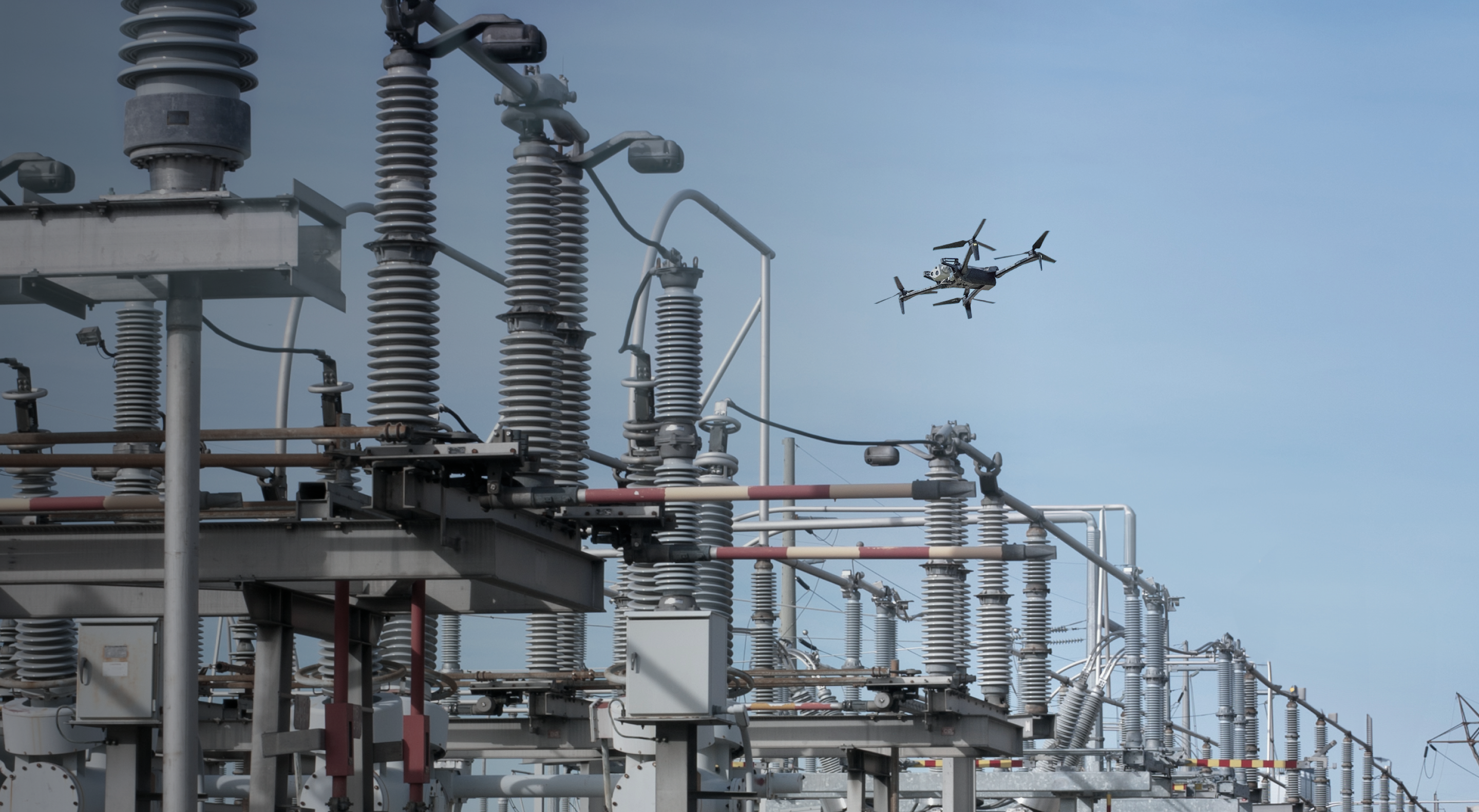
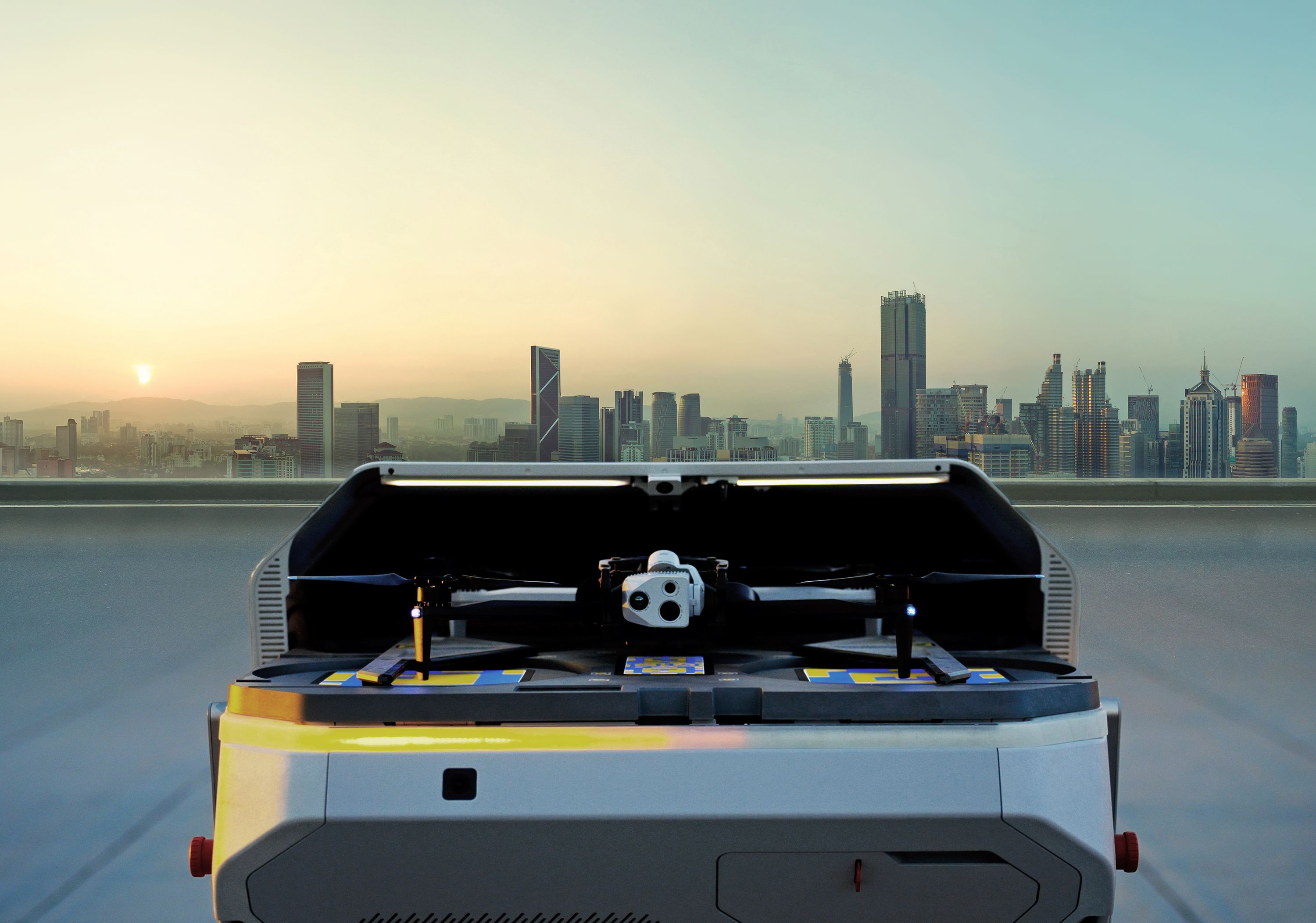
X10 packs sensor capabilities typically only found in larger drones into a simple, lightweight airframe, including 64MP visual, 48MP telephoto, 50MP wide angle, and 640x512 thermal modules that empower it to take on nearly any inspection, public safety, or industrial use case.
- People who are most likely to use drones in the utility industry are gonna be your
- linemen, your operators, your engineers.
- The introductory use case is really to replicate the operator rounds
- and
- get the operator to be on the ground where they normally would have to be up in the
- air or repelling or in a bucket truck.
- The ability to see millimeter size or sub-millimeter
- cracks in insulators, be able to see the really small things
- that you would
- only otherwise be able to see by putting the human eye as close as you can,
- well within minimum approach requiring an outage.
- The ability to do that is super valuable.
- In order for drones to be a good solution in law enforcement, it needs to
- have really great imaging. There's no point in having something
- that's not
- providing you with the best possible results, and so we need
- sensors that are giving us clear images of what is happening on the
- scene.
- [upbeat music]
- We talk to our customers and say like, "What's the hardest thing your camera
- system
- has to do?" And we don't go for like the low-hanging fruit.
- We choose the hardest target, and we aim at that
- when we're developing our cameras
- and testing our cameras. So like the hardware
- is designed to meet those
- requirements. The testing has made sure
- that we're hitting those targets or
- exceeding those targets, and we don't really stop until we get
- there.
- Our next generation is the first one that we
- customize all of our cameras, and that's why in our next
- generation drone we have three different user cameras.
- One with high resolution, one with large field of view, and one
- with a longer focal distance that we can see 300 meters away.
- The idea behind building a camera module is you have a sensor and you have a lens,
- and if they're not in parity, then there's a limitation there.
- Like you have to have a s- lens that's capable of resolving the full
- power of the
- sensor. And so we had to design it and push our vendors to up the quality of
- their
- lenses and add, you know, features and, and aspects to the lens so that we could
- really have a camera system that's in harmony between lens and sensor.
- It is very exciting because I've been through several
- iterations of camera build, and I can see how much
- the camera improve from all aspects, from different
- build to the next build.
- Skydio puts a ton of effort into our tuning.
- We spend many, many hours, you know, fine-tuning and tweaking, making
- very subtle adjustments to things like noise performance and sharpening.
- There's a very fine line of getting it just right, and we spend a huge amount of
- effort testing in the real world, testing in the lab to make sure that
- that comes
- out, you know, just how we'd like to see it.
- Specific use cases I tune for are like related to thermal.
- Make sure like in inspection and situational awareness use cases
- that, you know, they can be confident that the data they're getting is
- accurate. On the software side, like the Atlas SDK with FLIR really
- make the images detailed, clear,
- and also radiometrically accurate.
- We can actually see per pixel what the temperature is.
- Really excited to see what people say when they actually get their hands on it.
- Without the right sensor, it's really tough at 2
- or 300 feet to see what's down
- there, and you really wanna have a camera
- that like essentially puts you on the
- ground. It's gonna be something everybody's been
- waiting for.
- [upbeat music]
Watch Time
3 Mins 3 Secs