Drones now responding to calls for service in Las Vegas
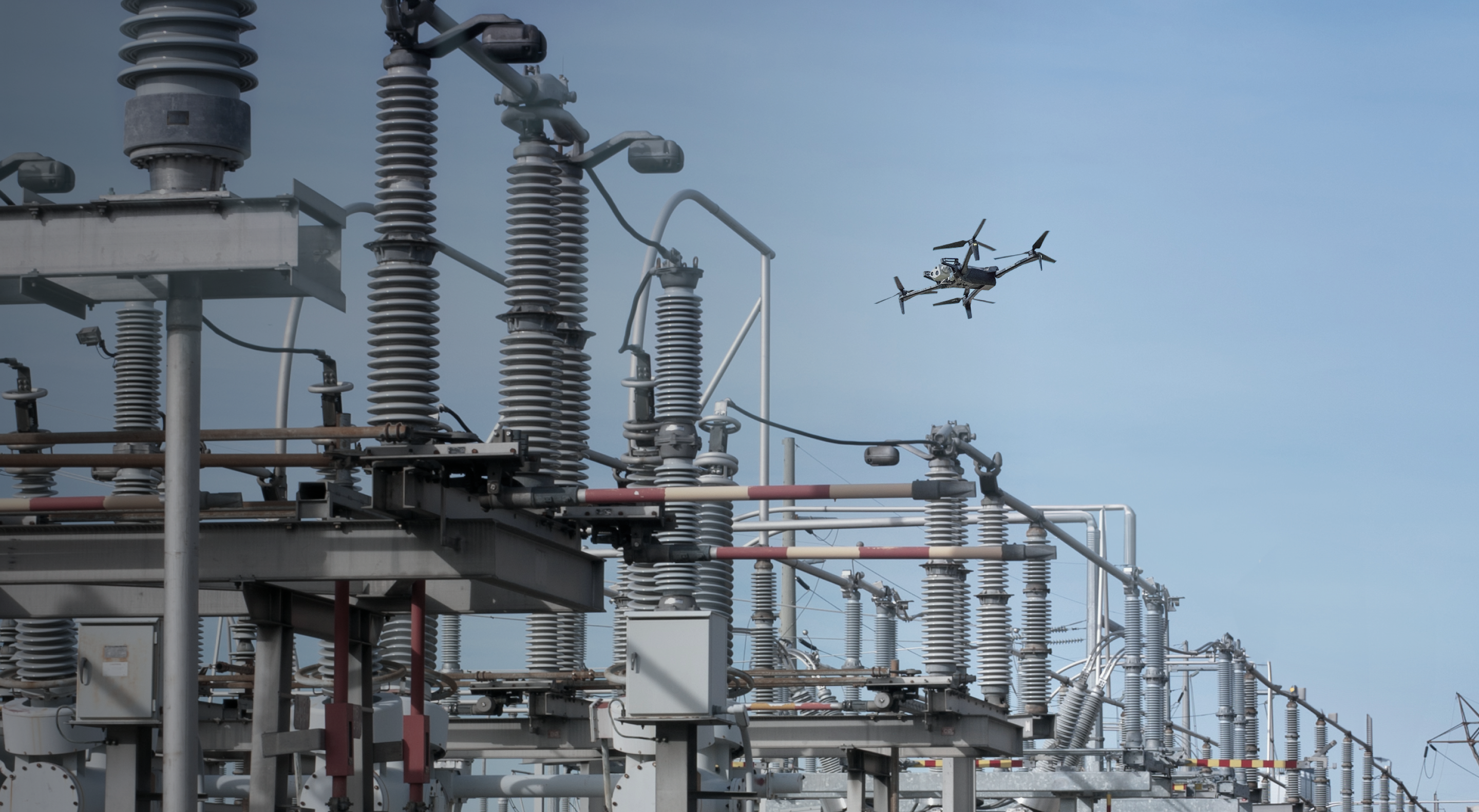
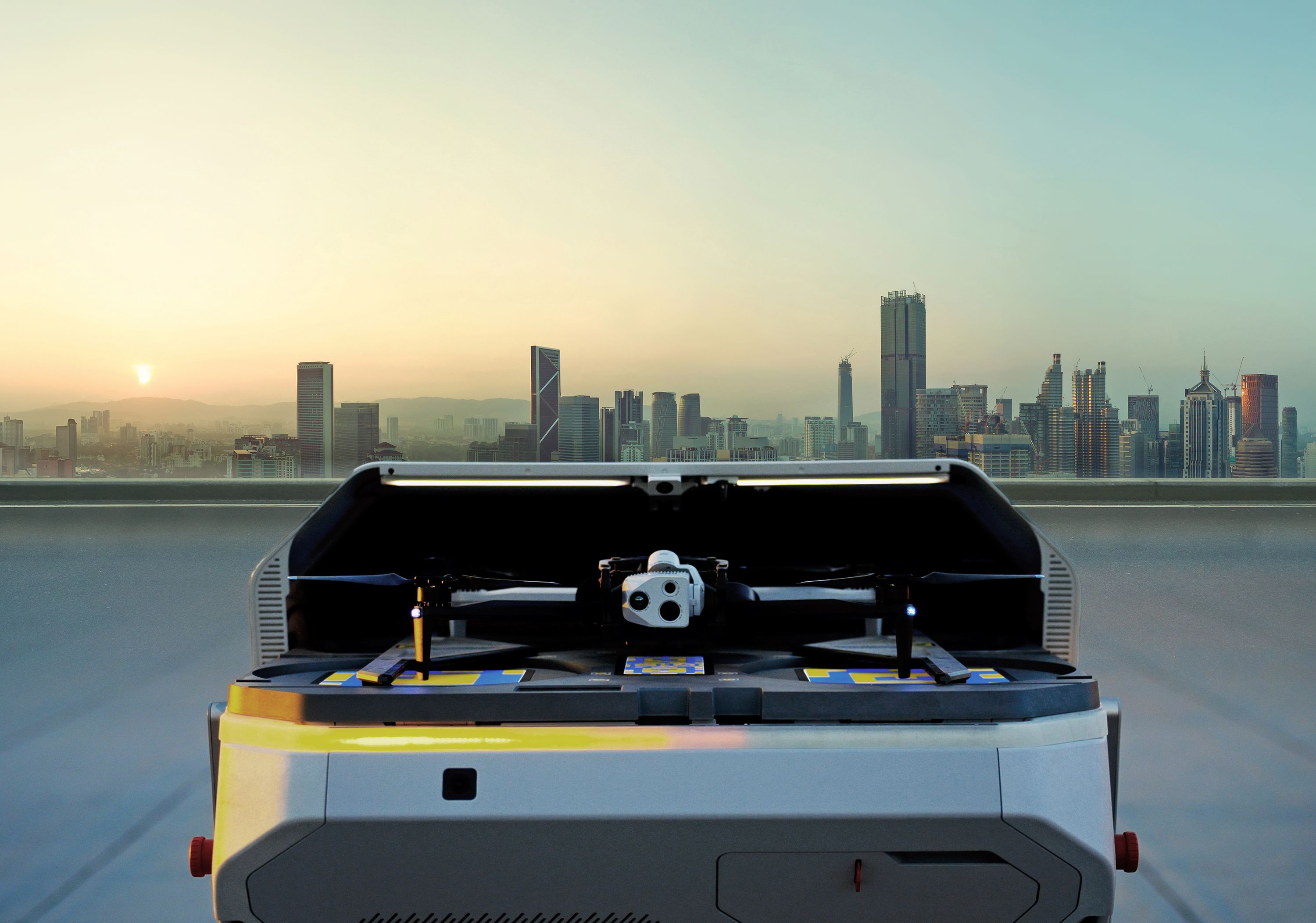
Las Vegas Metro Police Department (LVMPD) is now deploying drones to respond to service calls, including high-profile incidents like active assaults, burglaries or vehicle theft as well as calls where surveillance would give officers “significant tactical advantage.” The Mobile Drone First Responder program, launched in the beginning of October 2024, uses drones equipped with cameras to provide real-time aerial views of incidents, allowing officers to assess situations before arriving on scene. LVMPD has 30 pilots and has completed over 8,000 flights. The initiative aims to reduce response times, improve situational awareness, and minimize risks for officers and the community.
- What was once considered to be a toy is now being used as a tool to fight
- crime.
- Earlier this month, Metro Police launched their first drone
- responder
- unit. Now they are able to respond to calls for
- service alongside Metro
- officers.
- Fox 5's Molly McBride breaks down how it works.
- Let's start with this fake scenario put on by Metro Police to show us
- how the unit works.
- Control HQ 10, I'm about to arrive.
- As these officers are arriving on the ground
- [drone buzzing] another team is already on scene, or
- dozens of feet above it. [drone buzzing] A
- mobile drone first responder unit is parked nearby.
- Their drone gives them a bird's-eye view of the suspect, and they're able to
- help the officers on foot detain him.
- Down, down, down, down.
- They're going hands on.
- Metro's drone program manager says this is how it works in real life.
- The unit consists of 10 officers and five cars.
- They work in teams of two.
- [drone buzzing] These cars are specifically outfitted for the drone
- unit. This locker is where they lock the drones
- in in the back of the
- car. Then they have this whiteboard so they can
- outline their missions if they want
- to, and then this screen so they can see what
- the drone is displaying in
- real time.
- Before an officer arrives, they can get a better picture of what
- they're dealing
- with.
- The program's manager says the unit is not doing random
- surveillance. They're only launched when they're assigned to a
- call. They respond to high-priority calls like
- active
- assaults, burglaries, or vehicle theft, or to calls where
- surveillance will give officers a, quote, "significant tactical advantage."
- We can get intelligence in real time to provide it to our officers who are
- responding, and hopefully prevent officer-involved
- shootings from happening.
- Assistant Sheriff Dory Koren says they'll determine if the unit is
- successful based on metrics like how often it's deployed,
- how often it arrives on a scene before an officer, and if it's
- able to provide intelligence to help officers fight crime.
- Molly McBride, Fox 5 News, local, Las Vegas.
- Metro officials say the drones do have limits.
- They can be affected by weather and wind, their battery life, and legal boundaries.
- They can't fly over private backyards unless specific conditions are met.
- They also can't fly in restricted airspace,
- like near Nellis Air Force Base or
- Harry Reid Airport.
Watch Time
2 Mins 20 Secs