Omaha Police Department gets drones on scene in 90 seconds with its DFR program
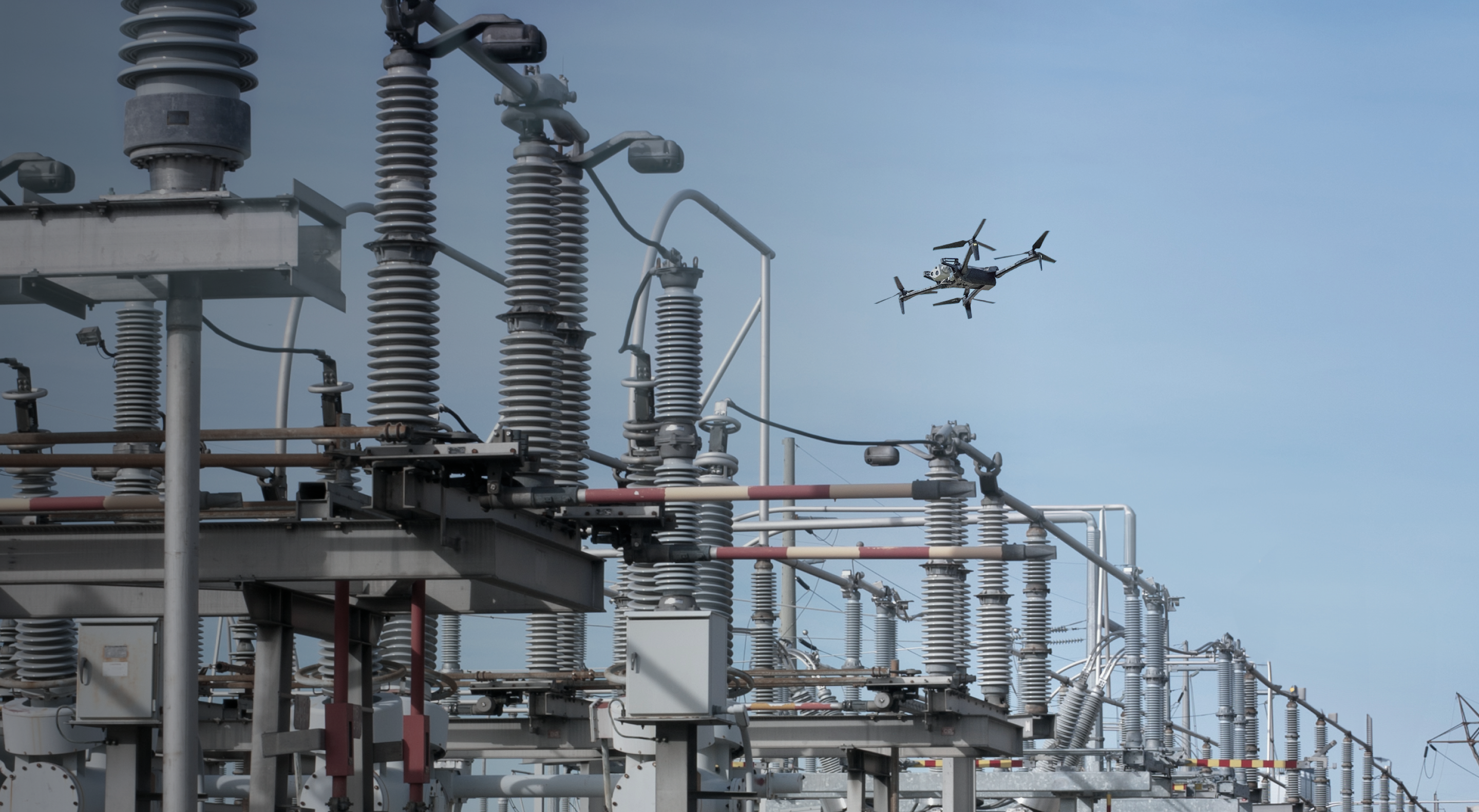
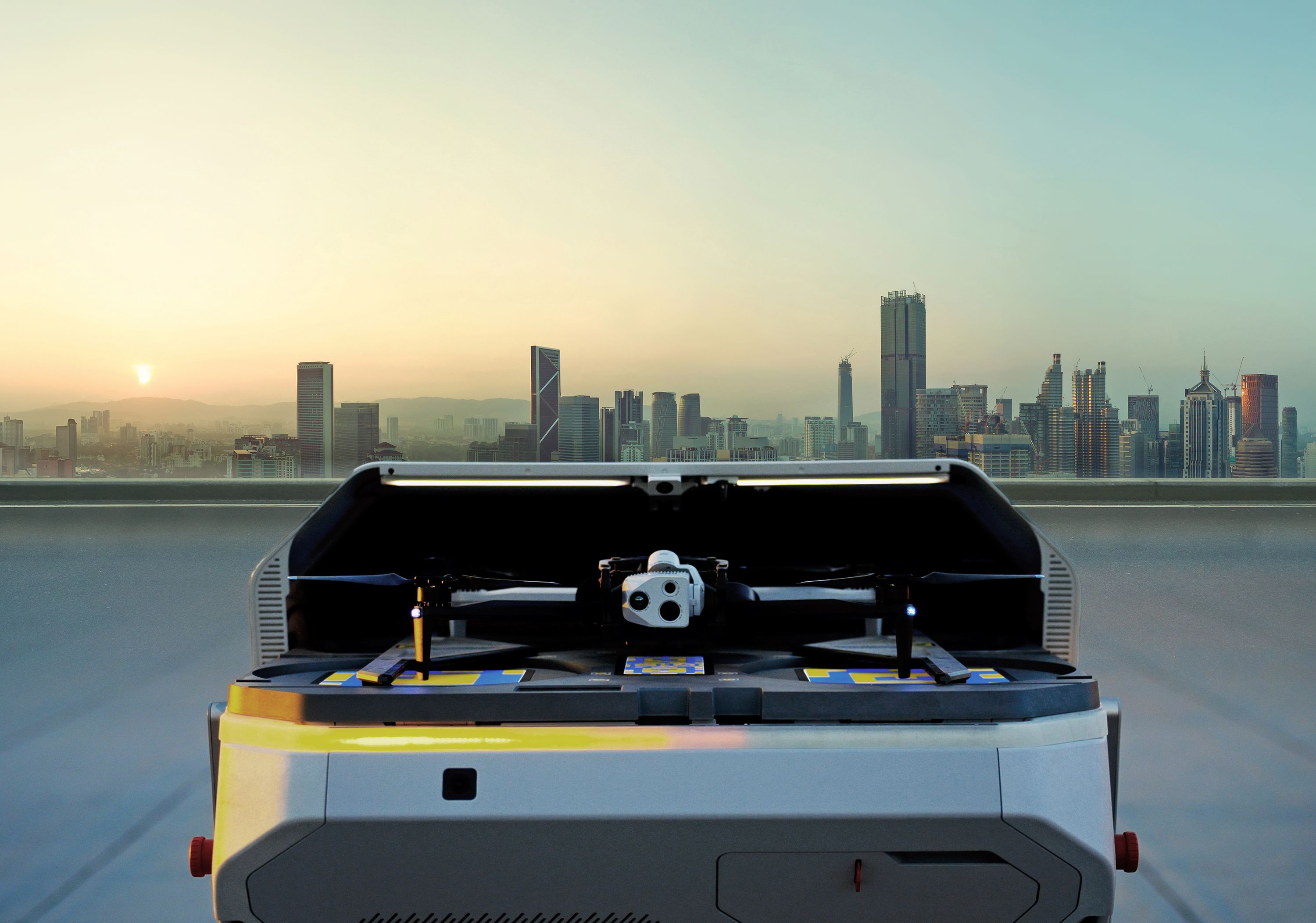
Frank Peck, Chief Pilot with the Omaha Police Department, breaks down how ShotSpotter alerts trigger the department's DFR program. When a call for service comes in, drones launch within 20 seconds and are typically on scene within 90 seconds, giving officers real-time situational awareness before they arrive. Thermal and camera technology inside the drones, combined with precise location data from the alert, helps officers pinpoint locations and search areas faster. According to Peck, what started as a nice-to-have has become a need-to-have for the department, with officers now regularly requesting drone responses.
- [gentle music]
- Public safety aviation has changed tremendously over the years.
- The days of just having a spotlight to shine down, those days are long
- gone. When you start looking at drones and some of their
- capabilities, the cameras have gotten better,
- the battery lives have gotten
- better. The way that we like to look at things
- is that it's evolution versus
- revolution. You're always evolving, and then you have this piece of
- equipment that's provided to you and how do we leverage that to be more
- efficient and to be safer and to provide a better service
- to the people that we serve and to our department.
- One of the key things that happens when a ShotSpotter alert comes in is that
- it pops up on our screen and gives us an alert.
- We see a little weapon system, and then whoever's working the drone at
- that time
- will dispatch the drone to that area.
- They're launched within twenty seconds, and they're usually on site within ninety
- seconds, so we get that quick situational awareness.
- One of the key components to having ShotSpotter, Sound Thinking
- systems integrated to our DFR program is the speed of what
- we're able to respond. That goes a long ways, and that puts
- us on site with situational awareness very quick.
- With the thermal technology and the camera technology inside the
- drones,
- and we're leveraging the information that Sound Thinking provides to us,
- it allows us to pinpoint locations and to kinda search those
- areas so that we may locate that person quicker, so
- that we can get them that
- medical aid faster and maybe save their lives.
- And a big component of this too that needs to be looked at is how easy
- the integration is to our ecosystem.
- It's very seamless and, and it was very easy to get it into our system.
- I think one of the biggest misconceptions is they, they don't replace
- the men and women on the street. The DFR and the drones, what
- they do is they provide another perspective and they provide
- situational awareness. At the end of the day, we have to have men
- and women that do the hard job on the street and respond to calls, but this is
- just one more piece of equipment or one more tool in their
- toolbox to provide them information prior to them arriving to handle the
- situation. When we started this, it was a nice to
- have, and now we have proven based on just what
- we've done, we're in that
- realm of it's a need to have. And now we have our men and women calling
- for a drone, a helicopter, all the resources that they need.
- I think this time in policing is a historic time in policing.
- We're gonna look back in three, five, maybe ten years, and it...
- this will become kind of an expectation and a norm that people will just
- expect to see drones.
- [gentle music]
Watch Time
2 Mins 58 Secs