Philadelphia Police Commissioner sees DFR as a force multiplier
In this interview Philadelphia Police Commissioner Kevin Bethel talks about working with Skydio and the important role Drone as First Responder (DFR) plays in strategic plans for law enforcement and public safety in his city of 1.5 million residents.
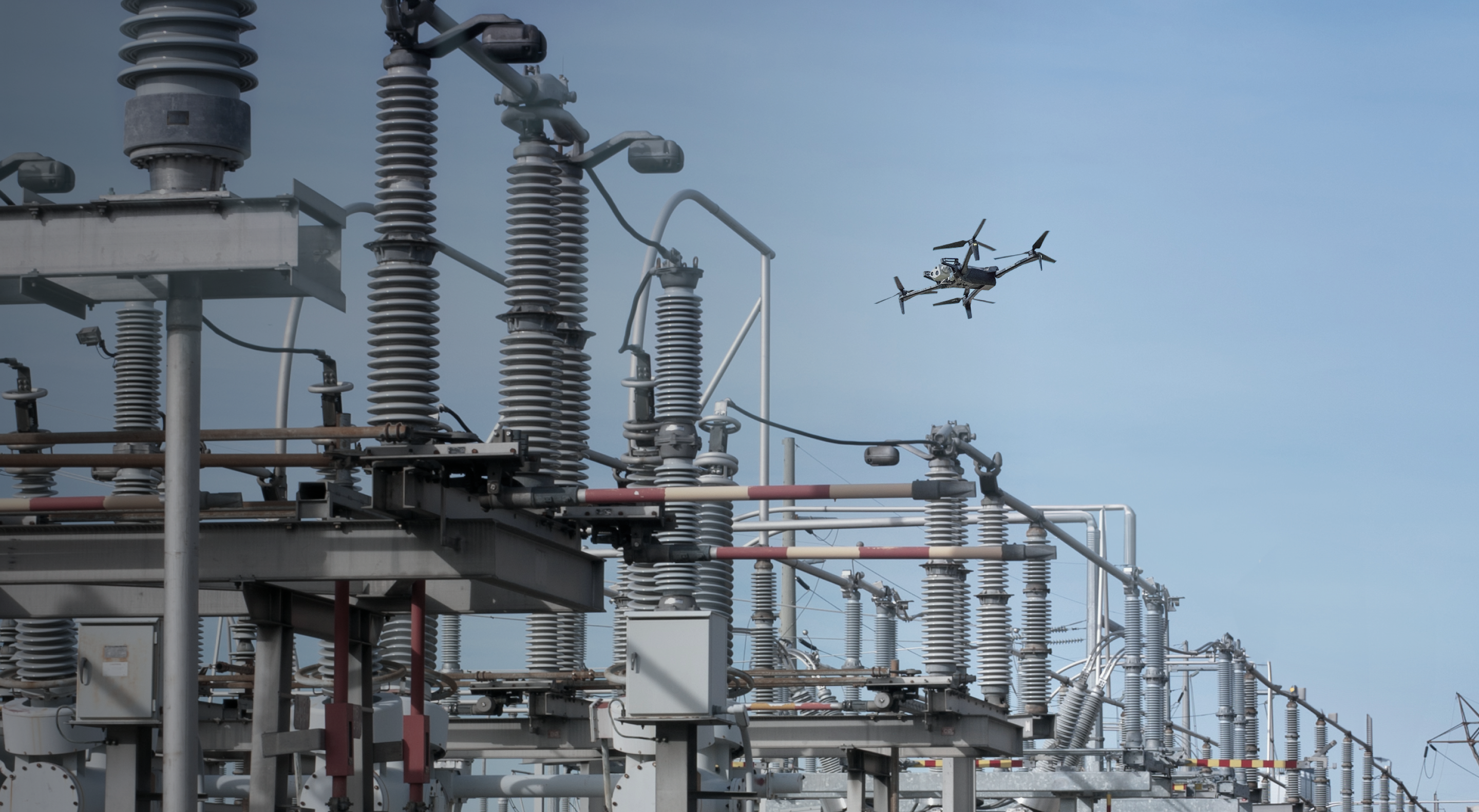
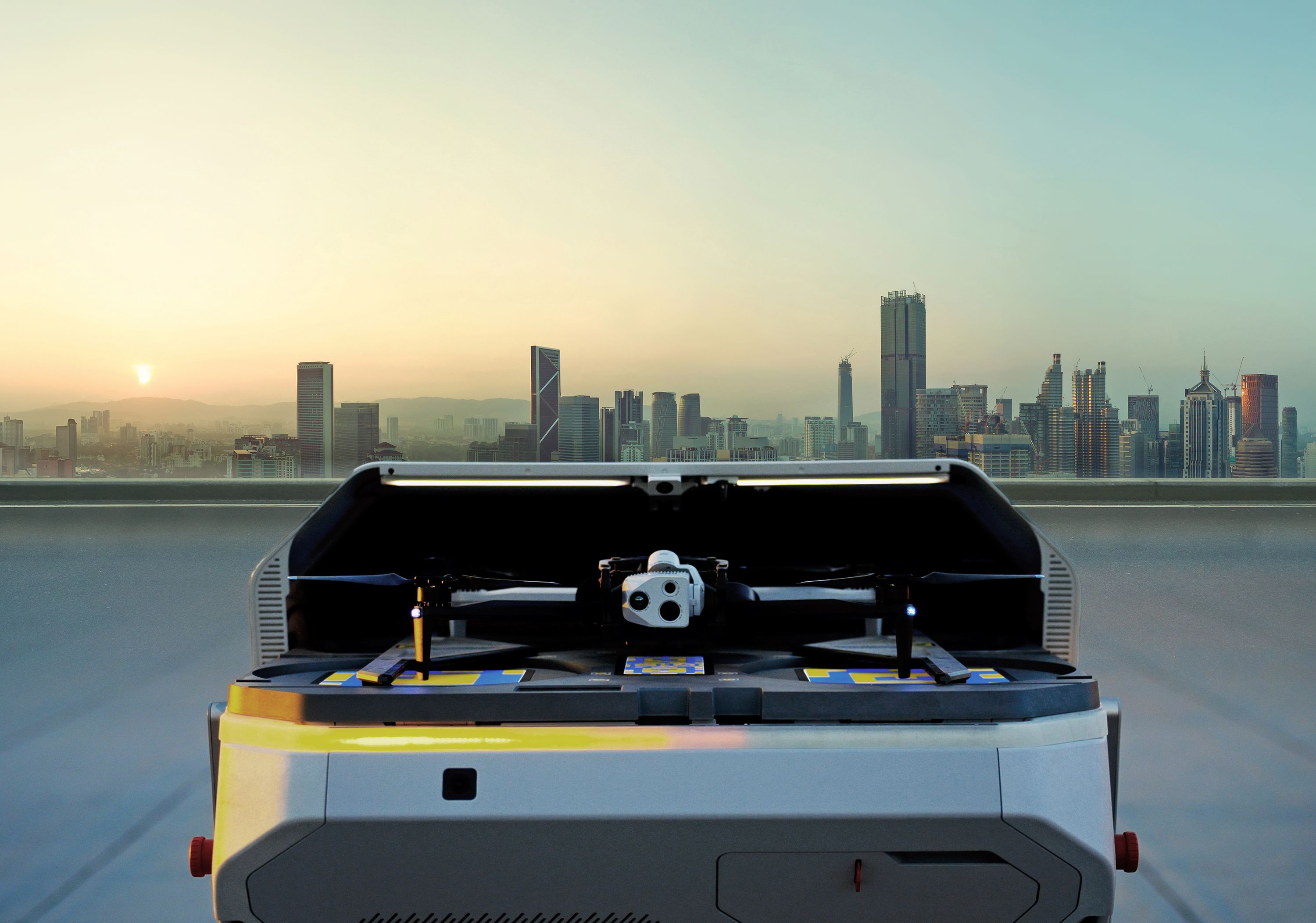
He sees drones as a force multiplier for the agency. As part of a 3 year plan, he says they aim to increase situational awareness and reduce officer involved shootings by deploying drones as first responders to all priority 1 and 2 calls in less than 2 minutes. The agency will also use drones proactively to heighten community safety at public events like parades.
Bethel notes that support from the Mayor, City Council, Police Foundation and benefactors have been key in getting this important program launched.
- Uh, and so part of our strategy with our
- drones is, uh, we're gonna embark on a
- three-year project, uh, where the technology's like Skyfi.
- Uh, we'll have drones coming out of the
- drones-
- It gives you a bird's-eye view literally.
- [laughs]
- Yeah, yeah. But we, we... We're working with a company, Skydio,
- you know, as part
- of our, our, you know, Axon, which does our body-worn cameras
- and in-car cameras.
- But we, our goal, uh, i- is to, over the next three or four years, to
- have, uh, drones deployed, uh, as a first responder.
- So we don't do surveillance. It's not flying through the neighborhood
- surveilling
- on people. I just wanna make sure that's clear.
- Okay.
- It's really responding to 911 calls, and then some proactive work as we deal
- with
- the parade-
- Sure
- ... and other events. But we an- anticipate if things go well
- and we meet our
- objectives, that we'll have a drone on location for a
- in-progress, you
- know, or a priority one or two job w- with less than two minutes.
- That's big.
- That's major.
- With Axon. Major. And one of the things that'll help us
- to...
- Situational awareness, we often talk about these incidents where
- officers get
- involved in shootings or other incidents, but having a drone on lo-
- High-speed chases, things of that nature
- ... yeah, having drones on location-
- Mm-hmm
- ... be able to do that and be able to, you know, provide that oversight, uh, we
- hope that'll decrease, uh, some of the activity.
- We know it will help us with our ATV and, and, and, and, uh, the vehicles,
- you know, the meetups that we're dealing with, uh,
- the open air drugs, uh,
- locations that, that-
- Mm-hmm
- ... complaints come in from communities where
- we oftentimes can't get in.
- Right.
- Uh, so we see a, a wide range of, of things, and we're grateful for the city
- council and the mayor, you know, uh, who started the process.
- And even the Police Foundation. We have a foundation that provided us some
- supports. Some benefactors came in early in the
- process to help us get,
- uh, launched earlier.
- Okay.
- And so we have about six drone operators now.
- And, uh-
- Lovely
- ... and we're gonna move forward with that process.
- We're going through the testing now, finishing up our policy.
- Uh, it's gonna take some time-
- Okay
- ... but it's a force multiplier for us.
- All right. Nothing comes easy, sir.
- Absolutely. [laughs]
- Nothing.
Watch Time
1 Mins 47 Secs