Multi-Drone Operations: The Next Step in Scaling DFR
 Noreen Charlton
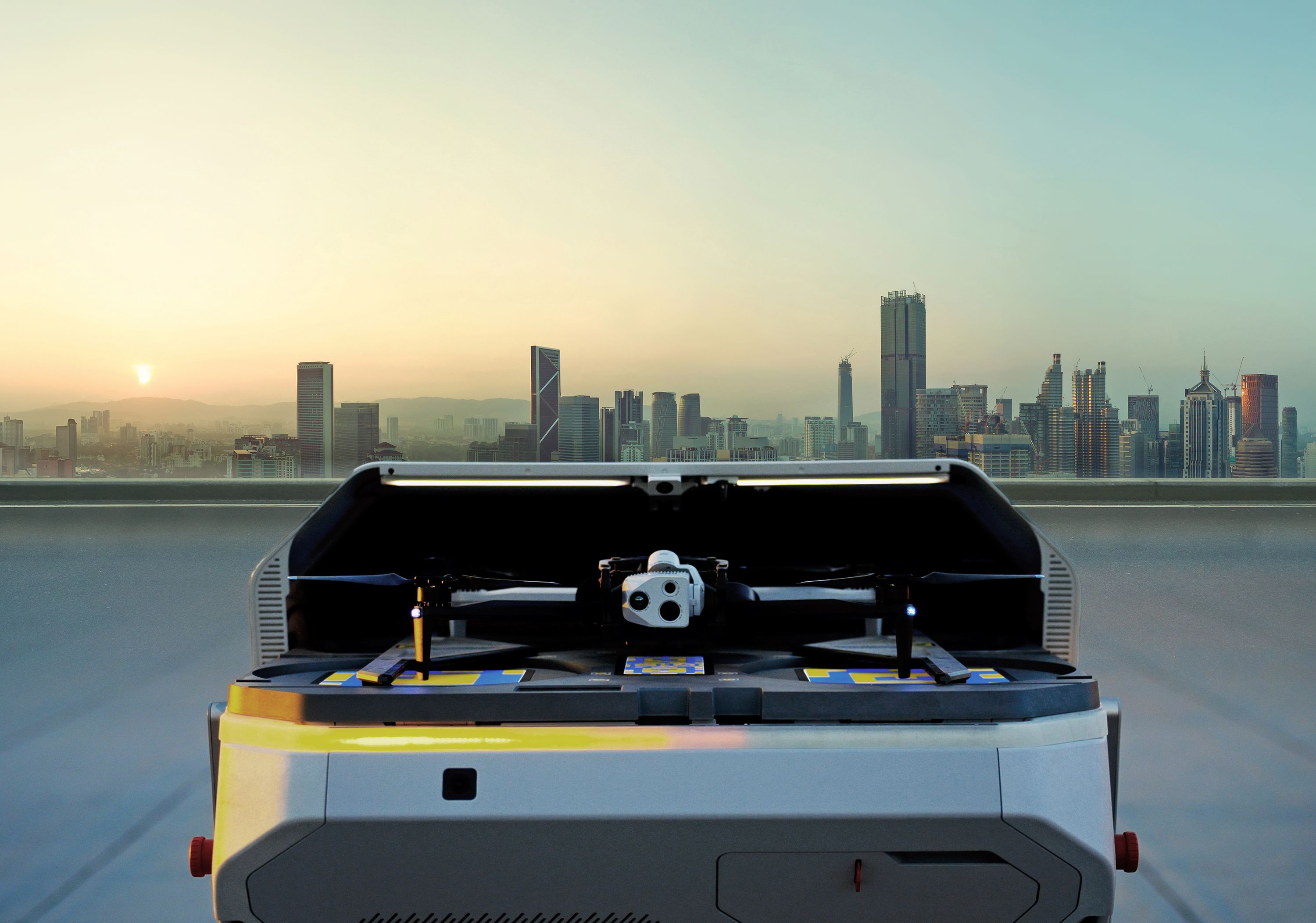
DFR is entering a new phase. For the past several years, the major operational breakthrough was getting drones to the scene faster through remote and BVLOS operations. Agencies could launch from a dock, respond without sending someone to the takeoff location, and bring aerial intelligence into everyday operations.
That changed what was possible. But most programs still followed a simple pattern: one drone, one remote pilot, one call.
A large coverage radius can look compelling on a map. But DFR does not happen on a map. It happens in live call volume. Incidents overlap. Some scenes continue long enough that another drone has to take over before the first returns to charge. One drone can only support one mission at a time. Range and endurance matter, but they do not solve concurrency.
Multi-drone operations change that model. With the appropriate regulatory approval, which is now attainable in most circumstances, and an operating model supported by autonomy, agencies can begin coordinating more than one aircraft at a time. That could mean maintaining coverage on a priority call, sending a second drone to relieve one already on scene, or responding to another nearby incident when operational conditions allow.
Multi-drone operations are not about putting more drones in the air simply because they are available. They are about keeping aircraft available when demand overlaps.
Scaling DFR means solving workload

As DFR moves from pilot program to everyday operations, agencies add docks and integrate more deeply into dispatch. That makes the program more useful, but it also increases the number of missions a limited team may need to supervise.
Most departments cannot add personnel at the same rate. Pulling officers from patrol creates coverage gaps. Civilian pilots require training and supervision, while assigning flight duties to dispatchers or analysts can overload roles that are already critical.
If every new dock requires another dedicated person, the program does not scale operationally. It scales headcount. This is where many DFR programs stall: not at proof of concept, but at repeatable daily operations.
Putting multi-drone operations into practice

Multi-drone operations are not about asking one person to manually fly several aircraft at once. That model creates understandable skepticism, especially in public safety environments where teams are already supporting fast-moving incidents. The practical path forward is different: trained personnel supervising more than one aircraft in defined, manageable scenarios, supported by autonomy, alerts, policy, and clear operating procedures.
For most agencies, the first multi-drone use cases are practical:
- On-station relief: one drone maintains coverage while another is launched to replace it on scene.
- Layered response: one drone maintains exterior overwatch while another provides interior visibility.
- Call expansion: a second aircraft responds to a nearby call when workload and policy allow.
These use cases also show why approval to oversee multiple aircraft is just the first step; a safe operating model is still required. The waiver creates permission. The operating model determines whether it can be done safely. Agencies still need clear rules for when to use multiple drones, when not to, and how the remote pilot can maintain situational awareness without being pulled into continuous manual control.
Autonomy makes multi-drone DFR possible
In multi-drone operations, autonomy is what makes supervision practical. The system has to handle routine flight execution so the remote pilot can stay focused on the incident.
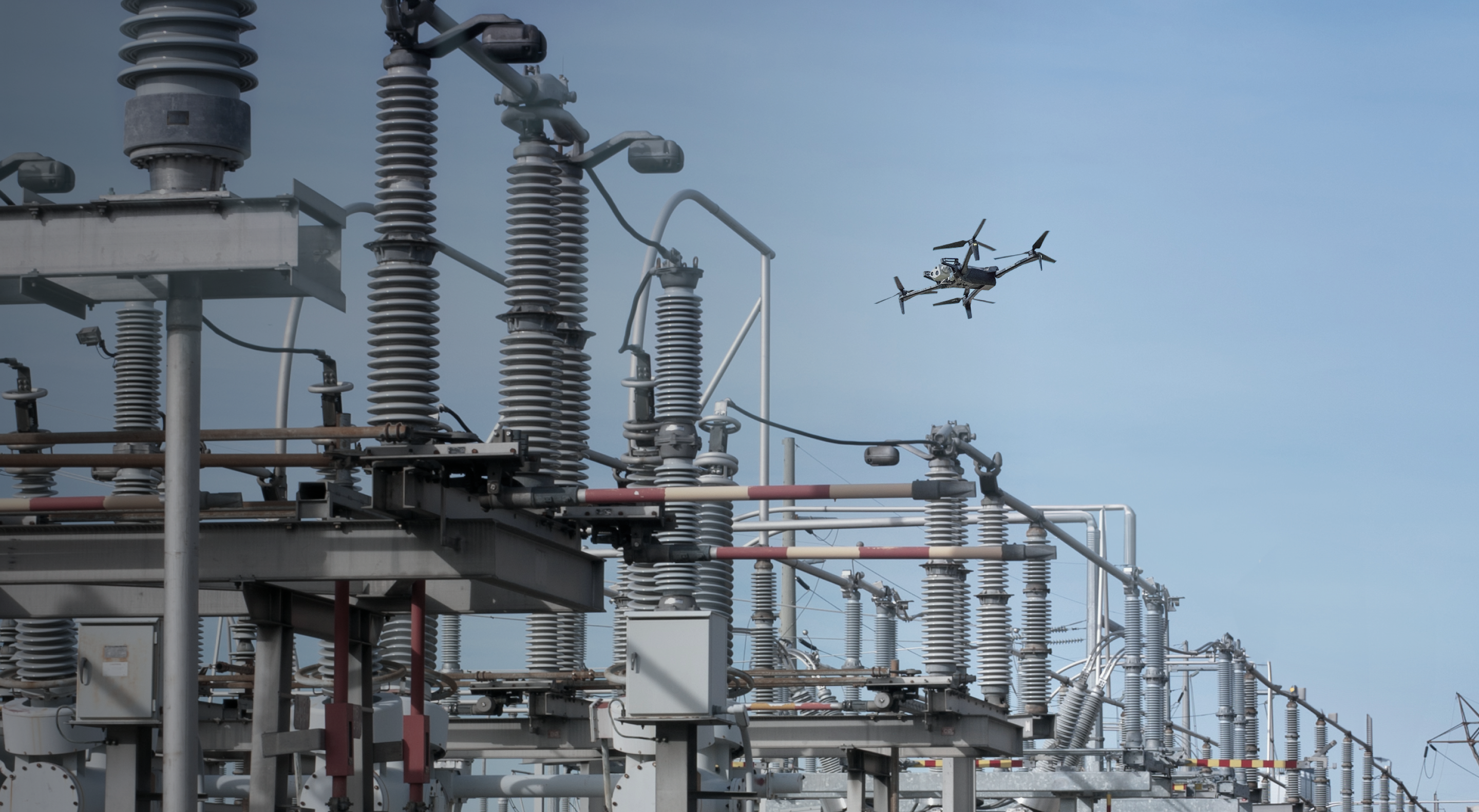
The aircraft must be able to navigate complex environments in changing visibility while helping prevent conflicts with other aircraft. Obstacle avoidance and automated deconfliction are not enhancements in that environment. They are safeguards.
“ It flies back on its own. It uses Pathfinder to avoid buildings. It’s a huge stress reliever for us, and it lets us get to those priority calls faster.
The real test is not whether autonomy looks impressive in a demonstration. It is whether the system can reduce risk reliably in daily operations. Through February 2026, Skydio systems had recorded more than 4,500 automated deconfliction events during live operations, with no reported failures of the deconfliction system. That kind of performance matters because multi-drone DFR cannot depend on manual intervention for every flight movement or potential aircraft conflict.
Without reliable autonomy, multi-drone operations depend too heavily on individual skill rather than repeatable, scalable systems. That is not a sustainable or defensible foundation for public safety operations.
Building trust in multi-drone operations

DFR deployments are visible in a way many public safety technologies are not. Every launch can be observed and questioned, either in real time or after the fact. As agencies move from one drone on one call to more aircraft supporting more missions, the need for clear, defensible operations only increases.
For chiefs and command staff, the question is not just whether multi-drone operations are effective. It is whether the agency can explain how the operation was authorized, managed, and documented. The more complex the operation, the more important it becomes to show that risk is being reduced intentionally.
That requires more than aircraft and a waiver. Agencies need policy, training, supervision, and documentation that match the complexity of coordinating multiple missions. Simulation-based training gives teams a way to practice multi-drone scenarios before they encounter them in the field. Integrated dispatch and evidence workflows can preserve the reason for the launch alongside the operational and evidentiary record. At Skydio, we view these capabilities as part of the operating model required to help agencies deploy and scale DFR safely.
A DFR program that holds up under scrutiny is not just one that performs well in the moment. It is one that reduces the chance of failure before the incident ever occurs.
From single-drone to coordinated operations
As more high-volume agencies, like the Las Vegas Metropolitan Police Department, move beyond single-drone DFR, law enforcement will get a clearer view of what actually works under real call volume, staffing pressure, and public scrutiny.
The shift is not simply from fewer drones to more drones. It is from single-aircraft response to coordinated operations. If adding drones increases workload faster than the system can reduce it, the model breaks. And if success depends on exceptional skill or perfect conditions, it does not scale into a defensible public safety operation. Human judgment should remain at the center of the response, while technology reduces the burden of managing aircraft so the remote pilot can focus on the incident.
That is the next phase of DFR: not simply getting one drone to one call faster, but building an operating model that can sustain real-world demand safely and at scale.


