
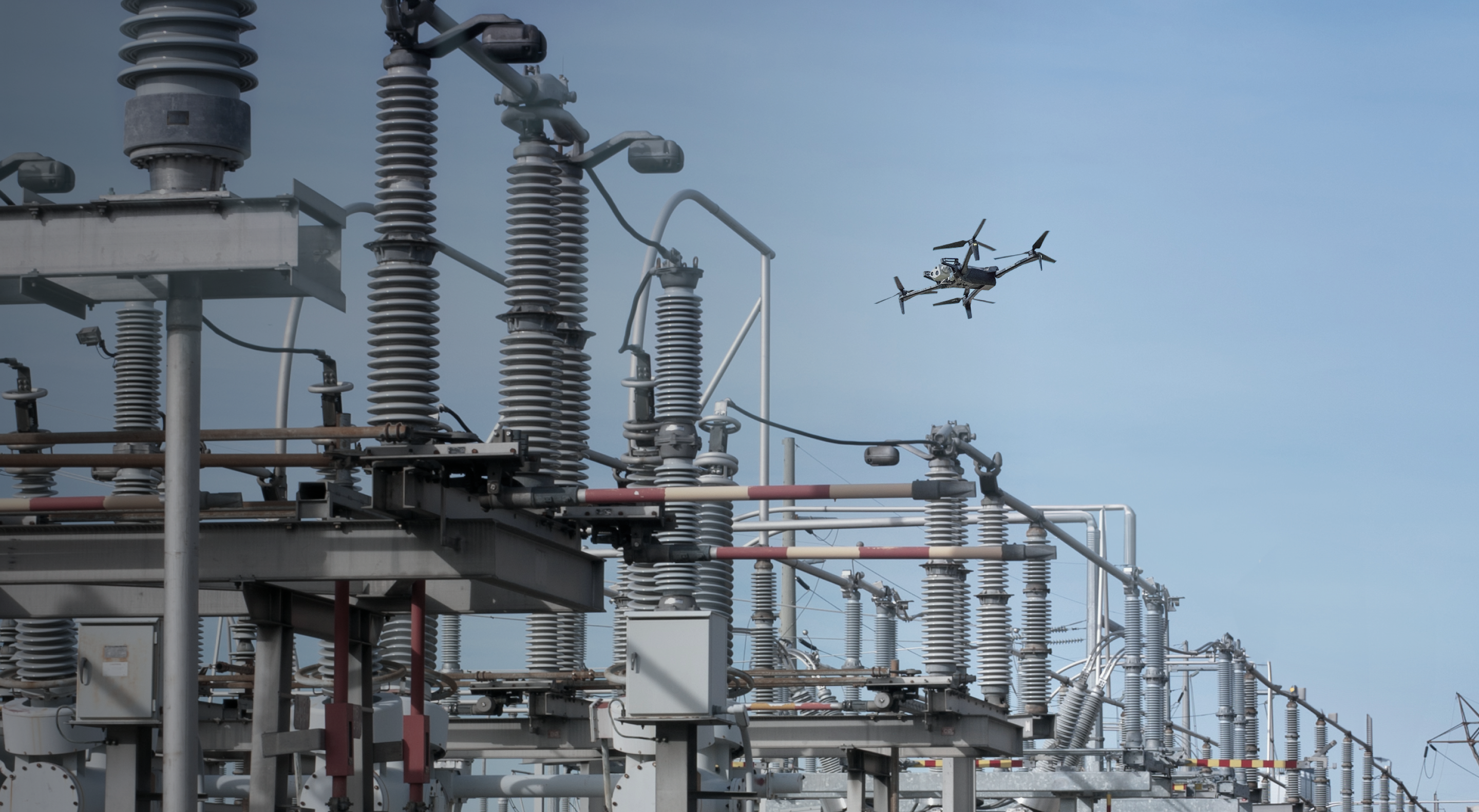
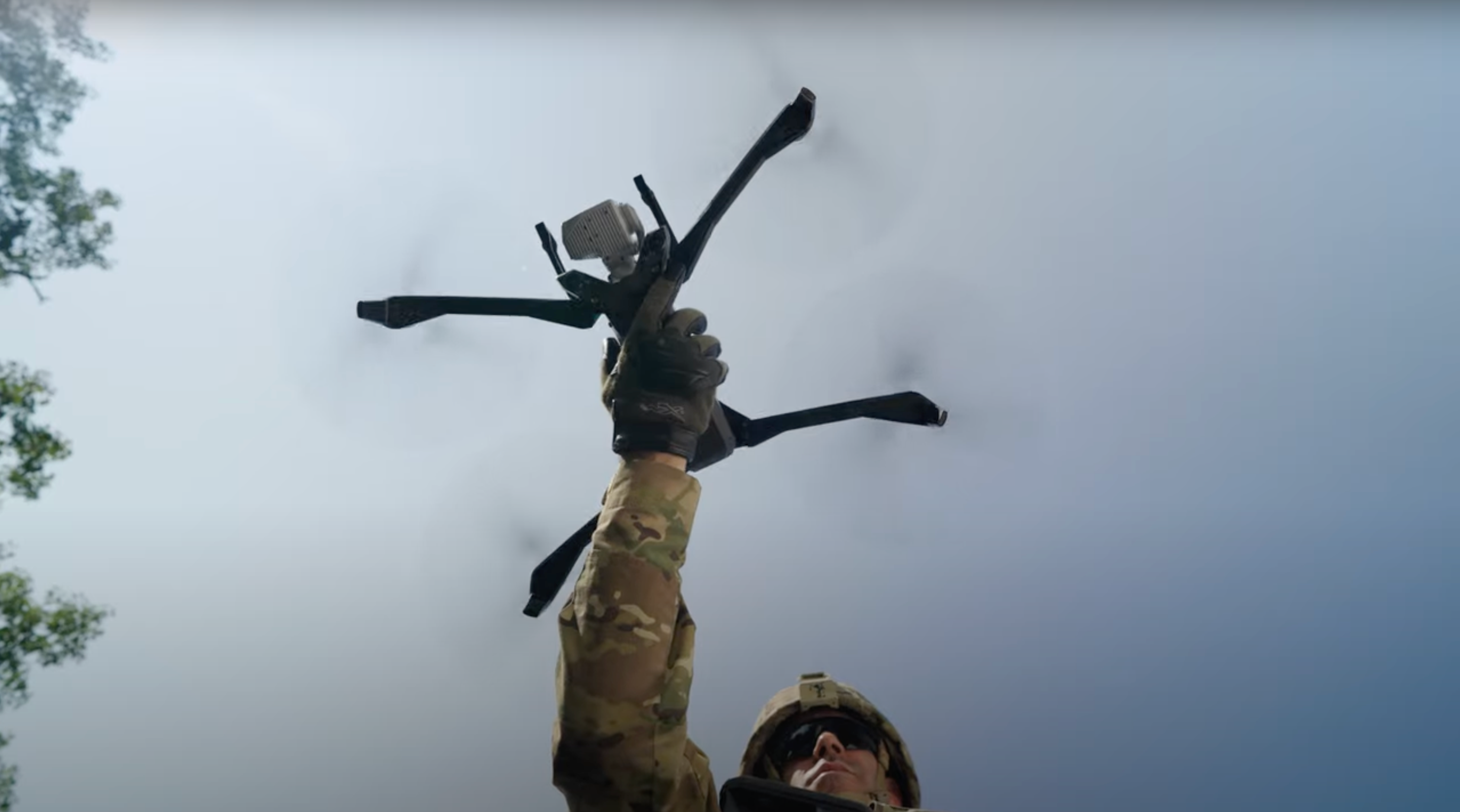
EDC-8 for DOTs: From Drone Programs to Infrastructure
 Nikoleta Guetcheva
It’s 2 a.m. A truck hits a bridge.
Traffic stops. Law enforcement arrives. Before lanes can reopen, an inspection is required.
For many state transportation agencies, this visibility still depends on when a specialized crew can safely reach the site. That delay affects public safety, costs, and operational efficiency.
That model is changing.
With the launch of Every Day Counts Round 8 (EDC-8), the Federal Highway Administration (FHWA) is incentivizing state DOTs to move beyond isolated drone flights toward mature, repeatable, autonomous, and remotely deployable drone operations.
The objective is simple: reduce both employee risk and agency cost, while improving the speed and consistency of decisions.
EDC-8: From Innovation to Operational Maturity
Every Day Counts is FHWA’s long-running initiative to accelerate the adoption of proven innovations across state DOTs. Each round highlights technologies and practices that are ready for broader deployment, pairing technical guidance with targeted federal funding to help agencies move faster.
Round 8 marks a transition point for UAS. Drone programs are no longer viewed as experimental tools; they are becoming part of how agencies operate. With all 50 states and two territories already running UAS programs, the focus is now on consistency and scale. EDC-8 encourages DOTs to mature beyond basic flight capability and build programs that deliver standardized data, safer workflows, dependable data pipelines, and operating models that can expand across districts without depending on individual operators.
In short, EDC-8 encourages drone programs to behave less like projects and more like infrastructure.
Funding Pathways for EDC-8 Implementation
EDC-8 implementation is supported through the State Transportation Innovation Council (STIC) Incentive Program, which provides targeted federal funding to help agencies standardize and scale proven innovations.
Each STIC may receive up to $125,000 per federal fiscal year, covering 80% of eligible project costs, with a required 20% non-federal match.
To qualify, projects must:
- Demonstrate statewide impact
- Align with the Technology and Innovation Deployment Program (TIDP)
- Meet federal-aid eligibility requirements.
- Be completed within two years of funding allocation.
Solicitations open October 1 and close July 1 each fiscal year. Proposals are submitted through the state’s STIC point of contact using the official STIC Incentive Application Form, available here.

Dock-Based Operations: The Infrastructure Model EDC-8 Encourages
EDC-8 promotes repeatable, scalable, and standardized drone operations across districts. Dock-based systems directly support that transition.
Remote docks allow drones to launch, land, and recharge from fixed, weather-hardened locations. When strategically placed along high-traffic corridors, active construction projects, or critical bridges, they enable scheduled and on-demand data capture without requiring a pilot on site. Specifically, agencies with remote docks can now:
- Reduce inspector exposure to live traffic, heights, confined spaces, and hazardous environments.
- Shorten lane closures and minimize disruption by enabling remote or pre-positioned deployment.
- Provide streamlined change order verification and cut-fill analysis on active construction projects
- Cut time-to-assessment from hours to minutes during incidents and construction updates.
- Capture standardized, repeatable data that support condition tracking and long-term asset management.
- Scale operations across districts without scaling headcount, reducing reliance on individual operator availability.
Rather than mobilizing teams for individual flights, agencies gain a system for ongoing visibility, accessible remotely and deployable within seconds.
How DOTs Put Docked Drones to Work Today
Across the country, agencies are already using remote docked drone operations in high-value applications.
Construction Monitoring
Agencies use dock-enabled flights to keep consistent eyes on active projects without repeatedly having to mobilize survey teams. TxDOT shows how aerial orthomosaics accelerate roadway design and planning - work that once took months on the ground can now be turned around in weeks. Docks extend this by scheduling the same data captures throughout the project for progress monitoring, documentation, and more efficient coordination.
Emergency and Disaster Response
In the wake of natural disasters, aerial drone data has proven to be critical in informing response efforts, assessing debris quantities, and communicating with Federal Partners. Alaska DOT&PF shows how they are using docked based technology to decrease field crew exposure and capture accurate, comprehensive data for their partners to streamline disaster response.
Caltrans demonstrates remote field-work verification (0:45), while Alaska DOT&PF highlights dock-based technology to streamline disaster response (2:45).
Highway Operations and Drone as First Responder (DFR)
Dock networks let operations centers launch within seconds, confirm incident details, assist with emergency dispatch, and guide traffic before crews arrive. In 2024, San Francisco Police Department - launched their DFR program which has been proven as a transformative tool to de-escalate vehicle pursuits and inform precise response to highway incidents.
Bridge and Asset Management
The value is repeatability: recurring flights capture comparable datasets for condition-based maintenance with fewer closures. In challenging, GPS-denied spaces, autonomy helps get the angle without the exposure, captured in this short bridge-inspection overview.
Getting Started with a Docked Drone Program
For DOTs considering docked drone operations under EDC-8, success starts with intention and structure. In practice, that means focusing on a small set of foundational steps:
- Define the problem. Pick corridors, bridges, or projects where recurring visibility reduces closures, truck rolls, or rework.
- Confirm site readiness. Ensure proposed dock locations can support power, network connectivity, physical security, and clear line-of-sight for flight. An on-site survey is required to validate readiness and finalize installation details.
- Plan for regulatory approval. Remote operations such as BVLOS require FAA waivers. Agencies should assess airspace requirements early in the process. Skydio’s Regulatory and Flight Operations teams partner with DOTs to support the waiver strategy.
- Standardize the capture. Lock in routes, altitudes, overlap, thermal/visual modes, and naming.
- Stand up the pipeline. Decide where data lands, who reviews it, and how it syncs to GIS/PM/EAM.
- Build the procedures. Authorize remote launches, night ops, and BVLOS where applicable; train for exception handling.
- Measure outcomes.
- Site-visit reduction = avoided visits × loaded labor × avg. duration
- Downtime/closure avoided = minutes avoided × cost/min (or penalty proxy)
- Safety exposure reduction = climbs/entries avoided × incident cost proxy
- Time-to-assess delta = baseline minutes − new minutes
Turning UAS Into Everyday Infrastructure
EDC-8 is not about adding more drone flights. It’s about building systems that endure. DOTs that treat drones as infrastructure will move faster, operate safely, and make better decisions, every day.


