
Sub-Inch RTK Mapping Accuracy, Proven in the Field
 Nikoleta Guetcheva
Survey-grade mapping happens on active job sites, where heat, movement, mixed terrain, and changing conditions can affect every flight, every image, and every deliverable.
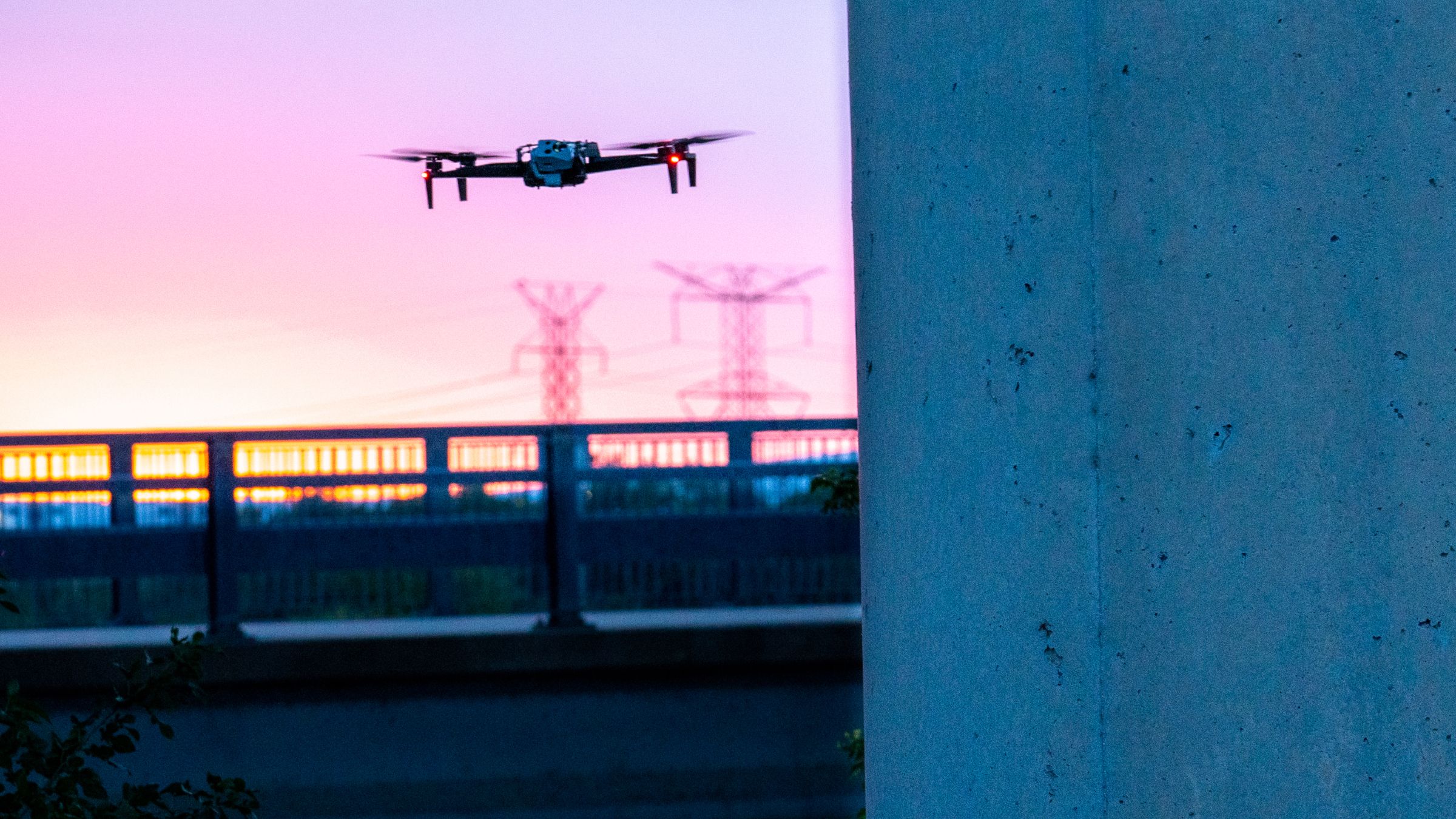
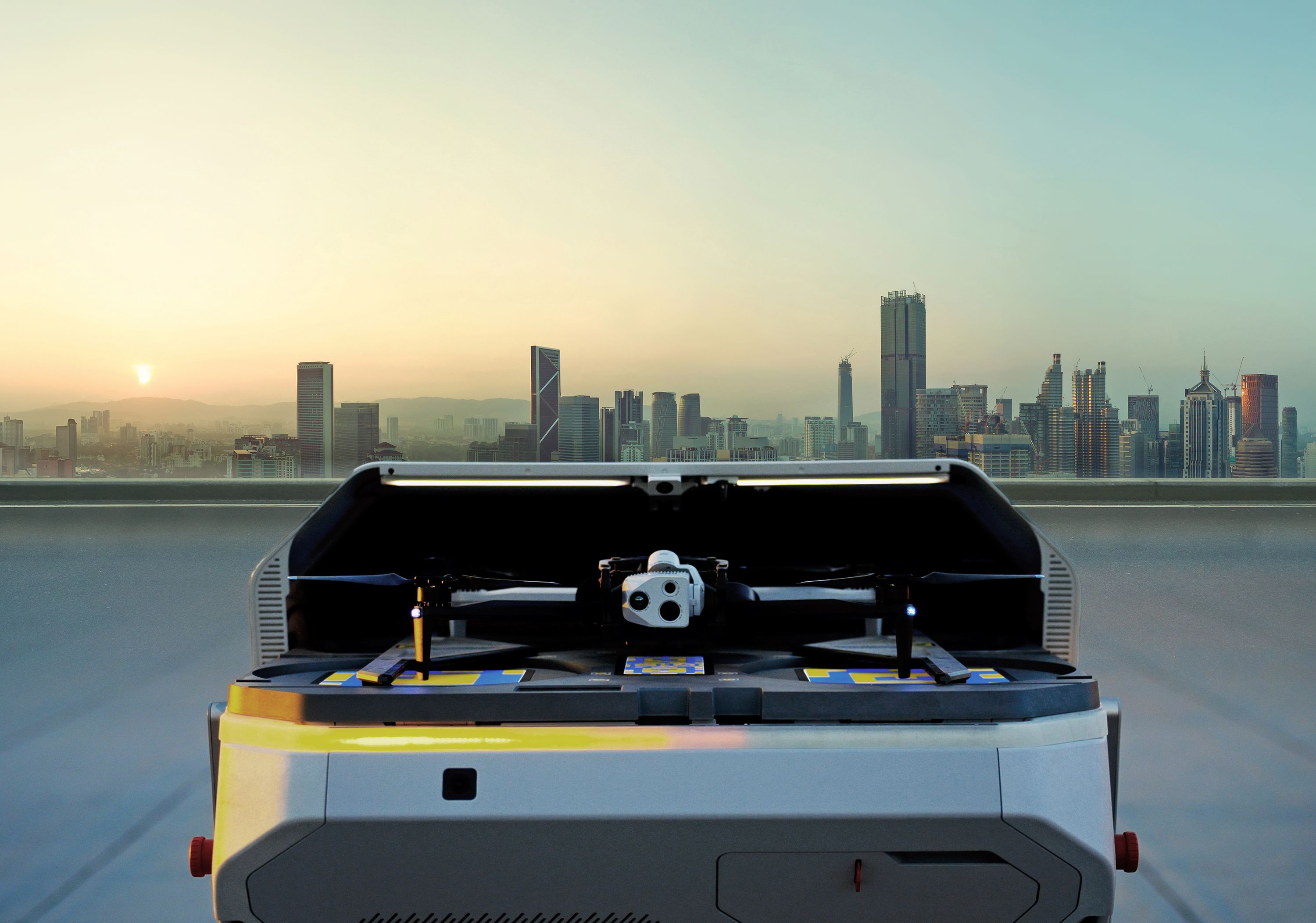
That is why DroneDeploy tested the Skydio X10 with RTK in real-world conditions. The results show that, with the right workflow, the system can produce sub-inch absolute accuracy for survey-grade photogrammetry outputs.
Key result
Across multiple flights, altitudes, and positioning workflows, DroneDeploy found that Skydio X10 with RTK achieved sub-inch absolute accuracy when combined with ground control points, with results approaching approximately 0.8 inches.
Relative accuracy, or the consistency of measurements within the model, remained within approximately 1% of ground-truth distances.
For teams working in construction, AEC, infrastructure, and inspection, that level of performance matters. It means drone-captured data can support high-confidence measurements, progress tracking, QA/QC, and digital deliverables when proper validation and quality assurance are applied.
What the study tested
The study compared several common positioning workflows:
- RTK-only
- PPK-only
- RTK/PPK with GCPs
It also evaluated performance across flight altitudes of 150 ft, 250 ft, and 350 ft, and included independent checkpoints for validation.
A pattern emerged: RTK and PPK alone produced usable results, but with greater variability, especially in the vertical axis. Adding ground control points significantly reduced total error. Vertical error remained the dominant source of inaccuracy in non-GCP workflows, which aligns with known limitations of GNSS-based corrections in short-duration flights or less-than-ideal base station geometry.
The real lesson: accuracy is a workflow
RTK/PPK provides strong baseline geotagging accuracy and, in many cases, can deliver results that are sufficient for general mapping, inspection, and progress documentation. It also reduces the amount of ground control required, which can simplify field operations and help teams move faster.
For higher-precision applications, particularly where vertical accuracy is critical, ground control points can be added selectively to further constrain error and improve consistency across the dataset. This is especially relevant on larger, more complex sites.

The bottom line
Under real-world job site conditions, Skydio X10 with RTK is capable of producing survey-grade photogrammetry outputs when standard best practices are followed.
Use RTK to improve geotagging. Use GCPs to constrain error. Use checkpoint QA to prove the deliverable.
That is how sub-inch accuracy becomes repeatable in the field.
For full methodology, data breakdowns, and best practices, read the complete study.