PG&E enhances worker safety with remote asset monitoring
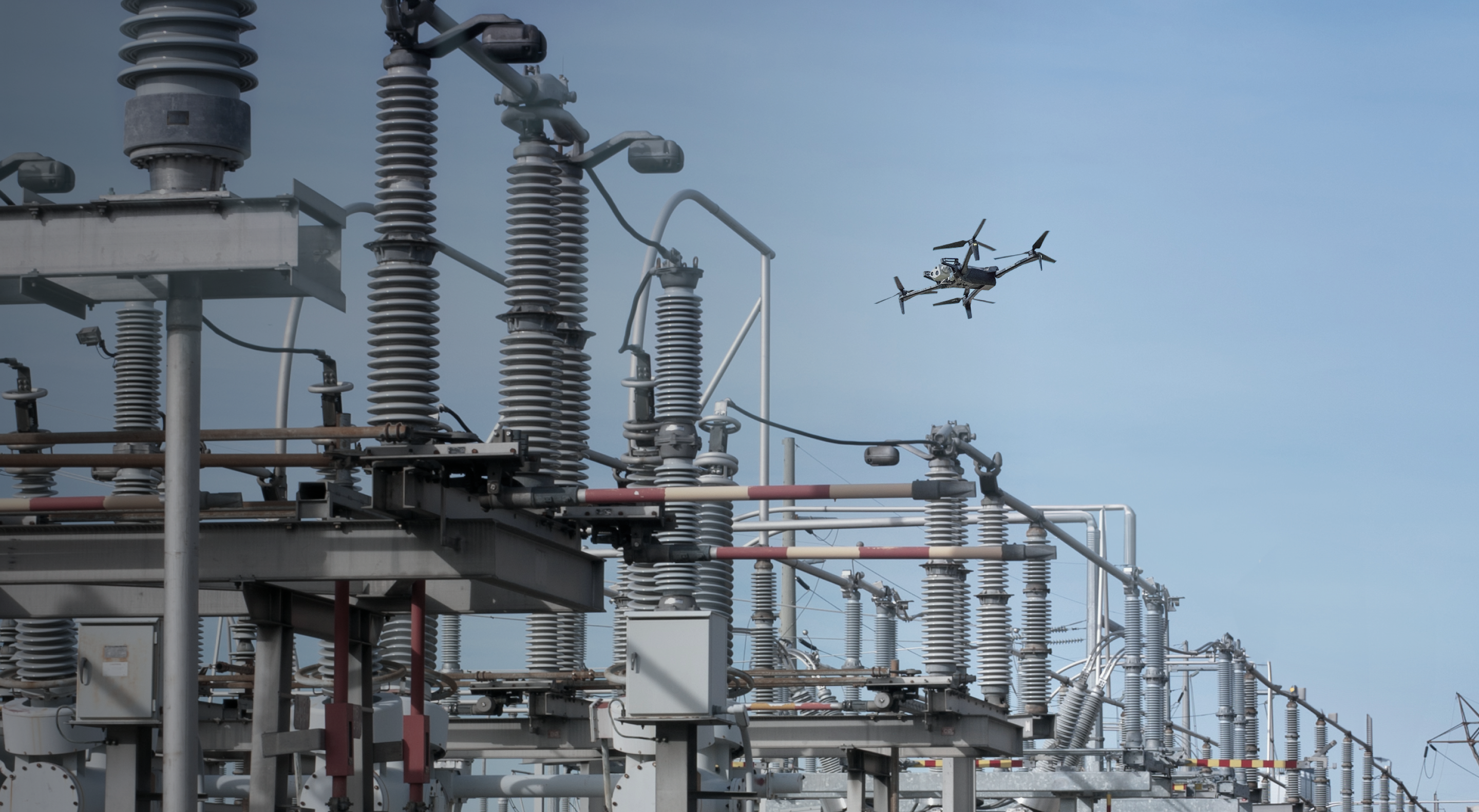
PG&E operates one of the largest and most advanced drone-based equipment inspection programs in the world and is the first utility in California to conduct fully remote drone operations for electric system inspections. Watch how they automate data capture in the field, providing a triple advantage of increased system, operator, and community safety; reduced time and resources; and cost savings.
- It's a little new, beyond visual line of sight operations with the remote dock.
- You just have to get used to not being there.
- It's going to be a whole new ballgame.
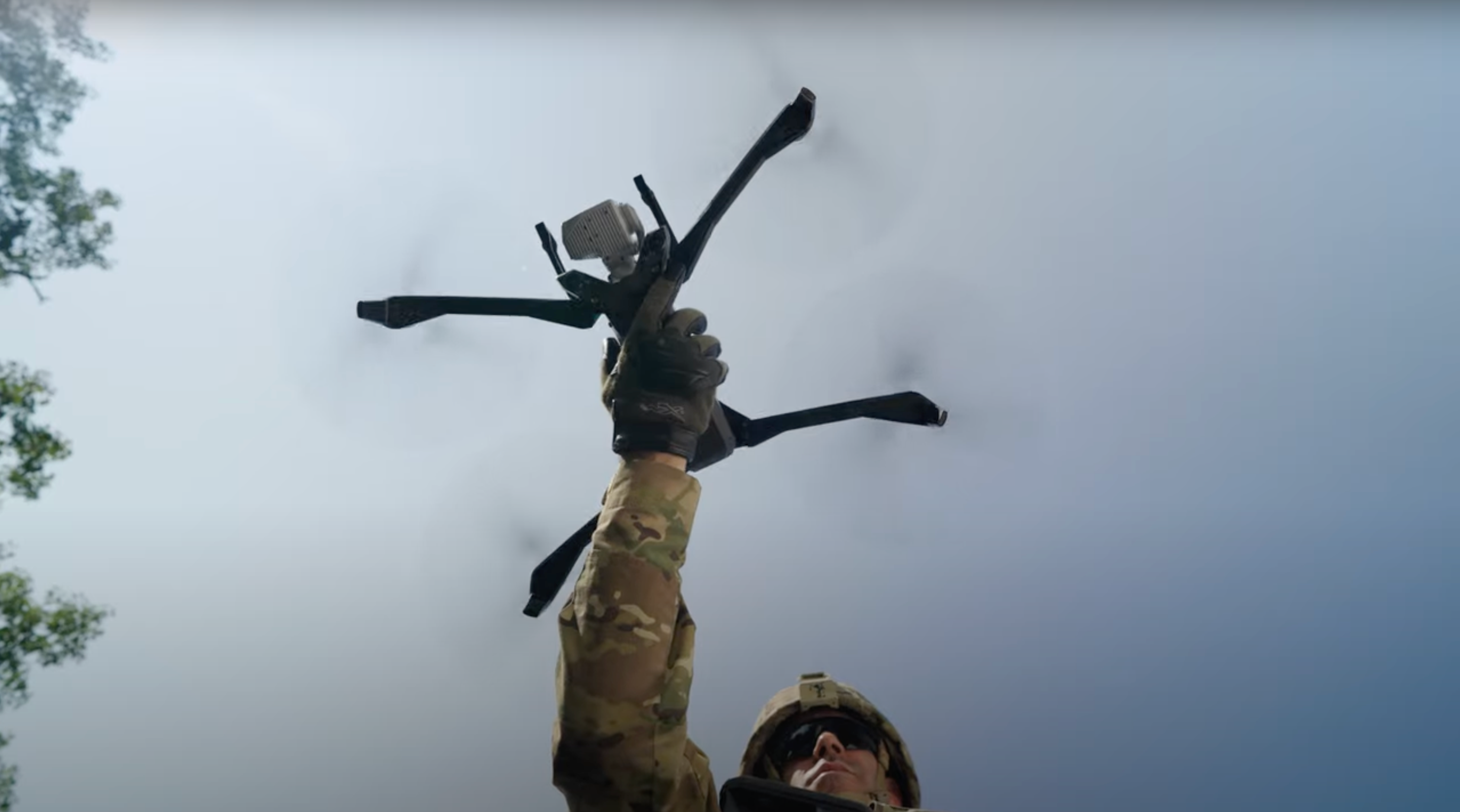
- Starting with our drone program back in 2019, employees take drones out to the
- field.
- They fly the assets, they capture the imagery.
- All right. Taking off.
- Most hazardous part of their job is probably getting to the structure. right?
- So it's a lot of access issues.
- It could be, hey, we can't find this structure or the road is out.
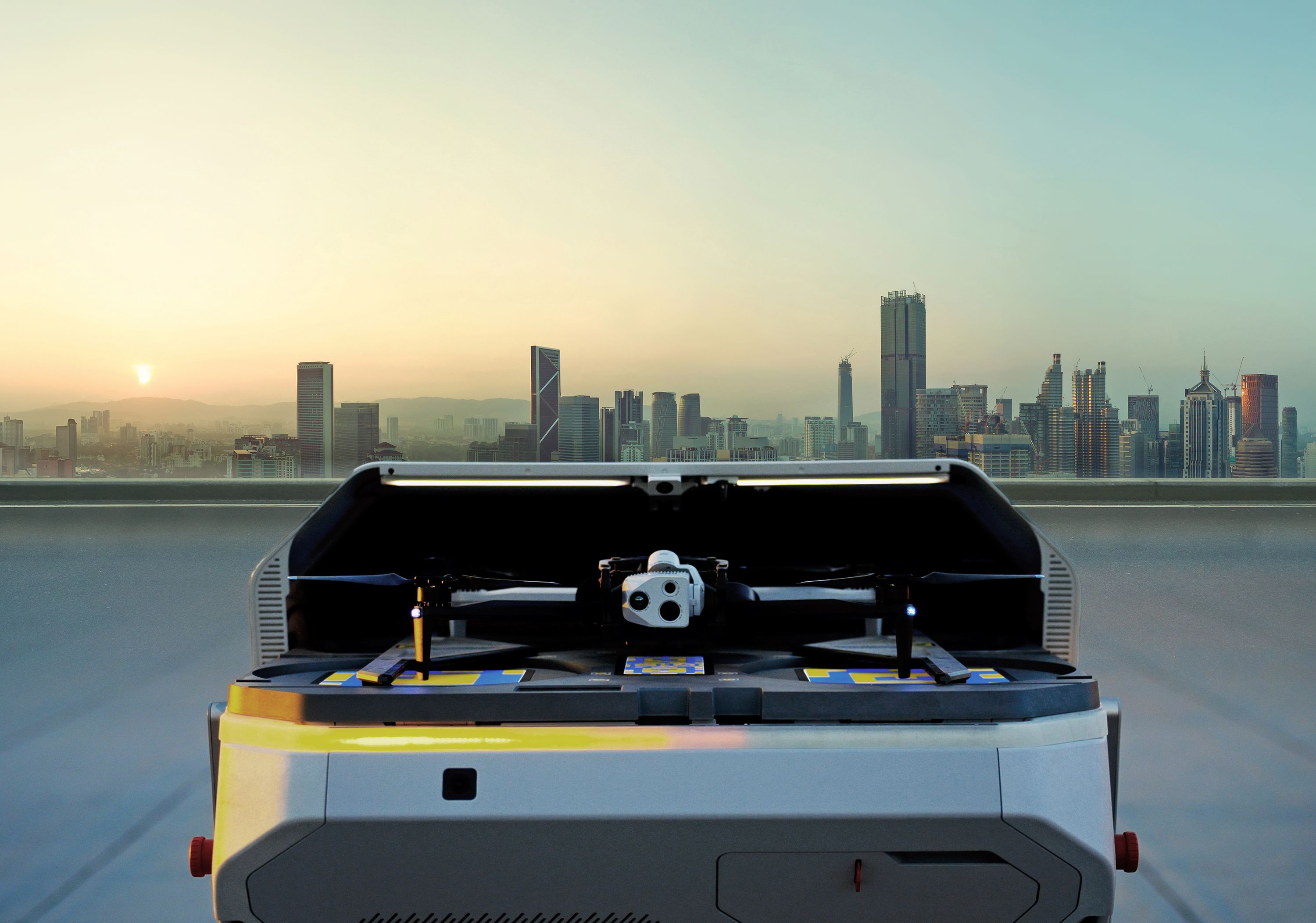
- With Skydio Dock, we can remotely deploy drones stationed at substations or
- other facilities for inspections. emergency response.
- You log in into Skydio Clouds. you connect to the vehicle online. and then you
- can put it in the air and capture data in a matter of minutes.
- All right. Launching.
- From a centralized control room, the pilot has the ability to pick and choose
- where he wants to fly and which assets he needs to fly without having to have
- that employee drive to that substation to fly that asset.
- Without a BVLOS waiver, it can't operate beyond visual line of sight. so you
- require a visual observer on site.
- Our recent authorization for the Skydio Dock from the FAA allows for full
- remote operations.
- With the Skydio Dock, a lot quicker response time.
- Say we do have a fault. we can send them out to look at that predetermined
- location and stream the video back to where a QEW alignment can look at that
- video and see it before they even have to leave their yard.
- Thanks to Skydio autonomy. we can navigate and operate safely in very
- challenging environments because we don't rely on GPS or any other sensors.
- Unique artificial intelligence algorithms, six navigation cameras, and a
- supercomputer on board provides different capabilities for the drone to operate
- fully autonomously.
- I've seen it avoid stuff out in the field, seen it get into tight spaces.
- There's a lot of trust being built with Skydio.
- For me, it goes seven years back when I first started.
- I've been hearing them talk about beyond visual line of sight just over and
- over and over again, but now it's finally here. And really it's going to
- completely change how we utilize unmanned systems.
- It's been a great opportunity for Skydio to learn how dock solutions evolve
- those drone programs for an organization such as PG&E.
- I'm confident that we will have full remote operations in the future where
- drones will be living at a station, an alarm will trigger an event, and that
- drone would take off and get eyes on that risk immediately without any human
- intervention.
- The automation, it's going to be the future.
- How much it's going to open up the use case for drones, there's no ceiling.
Watch Time
3 Mins 12 Secs