St Lucie County Sheriff’s Office is using drones as a force multiplier
November 17, 2025
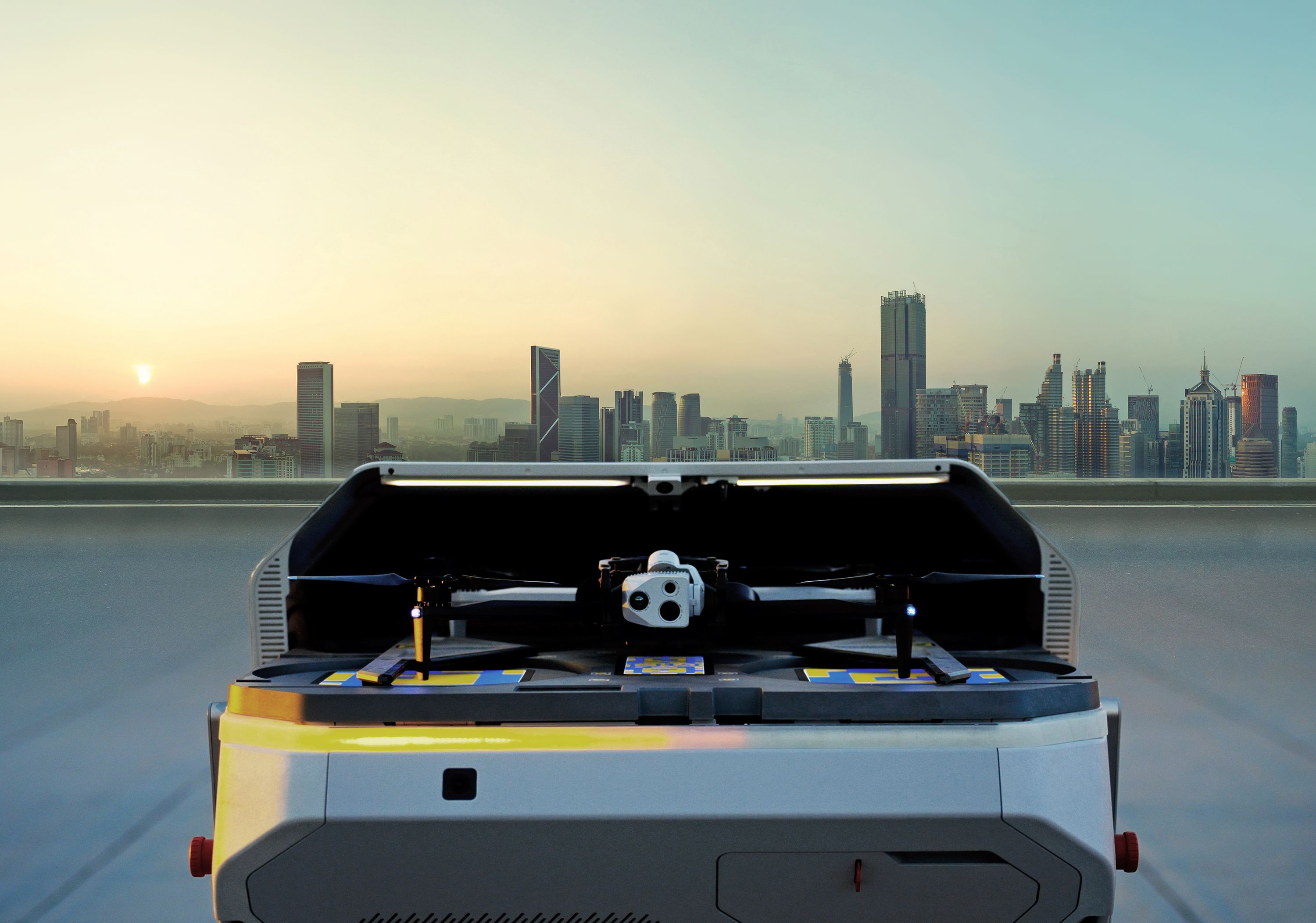
Across Florida’s Treasure Coast, law enforcement agencies are taking their investigations to new heights—literally. The St. Lucie County Sheriff’s Office has built a Drone as First Responder (DFR) program that’s reshaping how deputies handle emergencies, from missing person searches to SWAT operations.
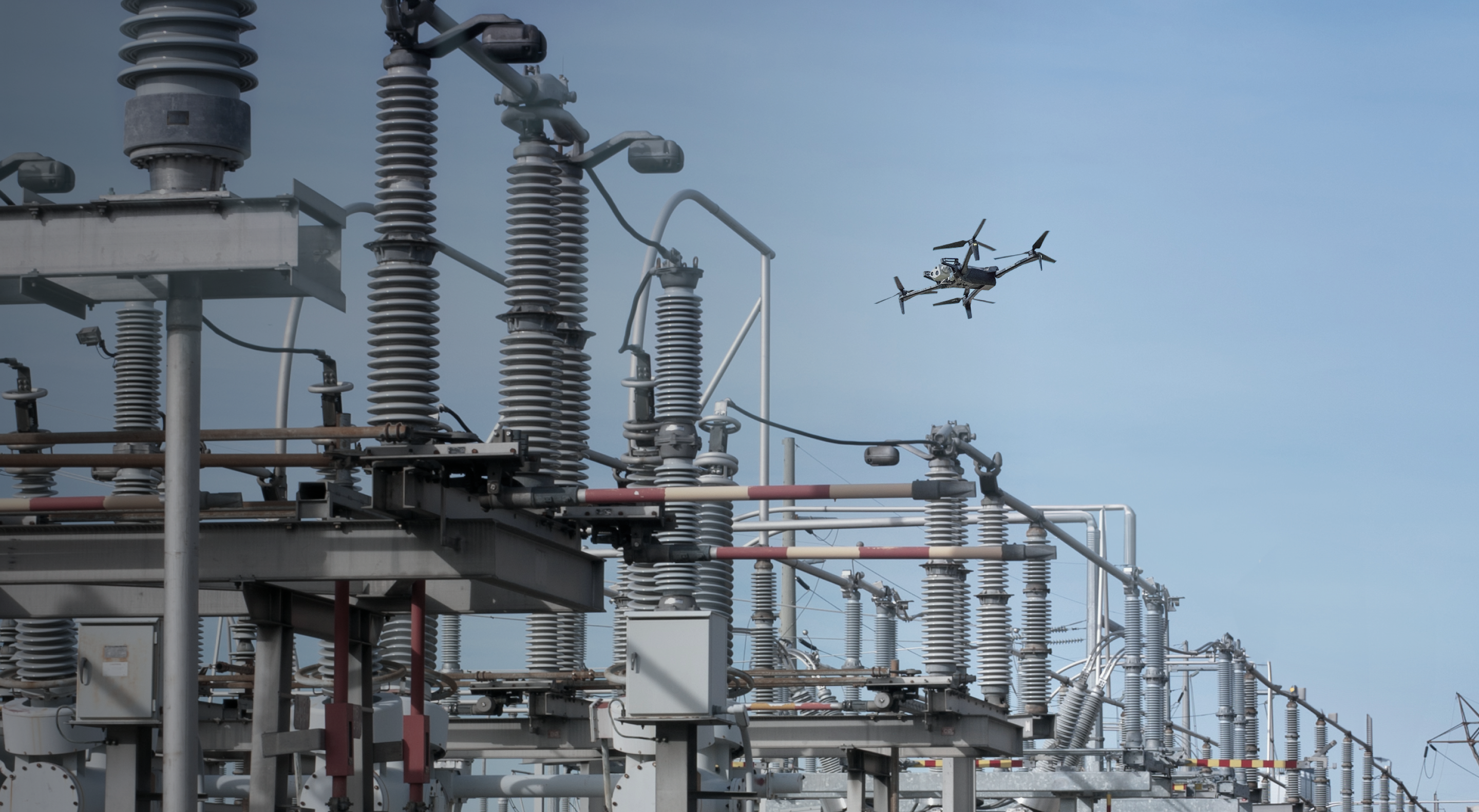
Sheriff Richard Del Toro describes drones as a “force multiplier,” allowing deputies to gain eyes on a scene long before a helicopter could arrive. With thermal imaging, 3D crime scene mapping, and loudspeakers for real-time communication, deputies now have a faster, safer way to assess volatile incidents.
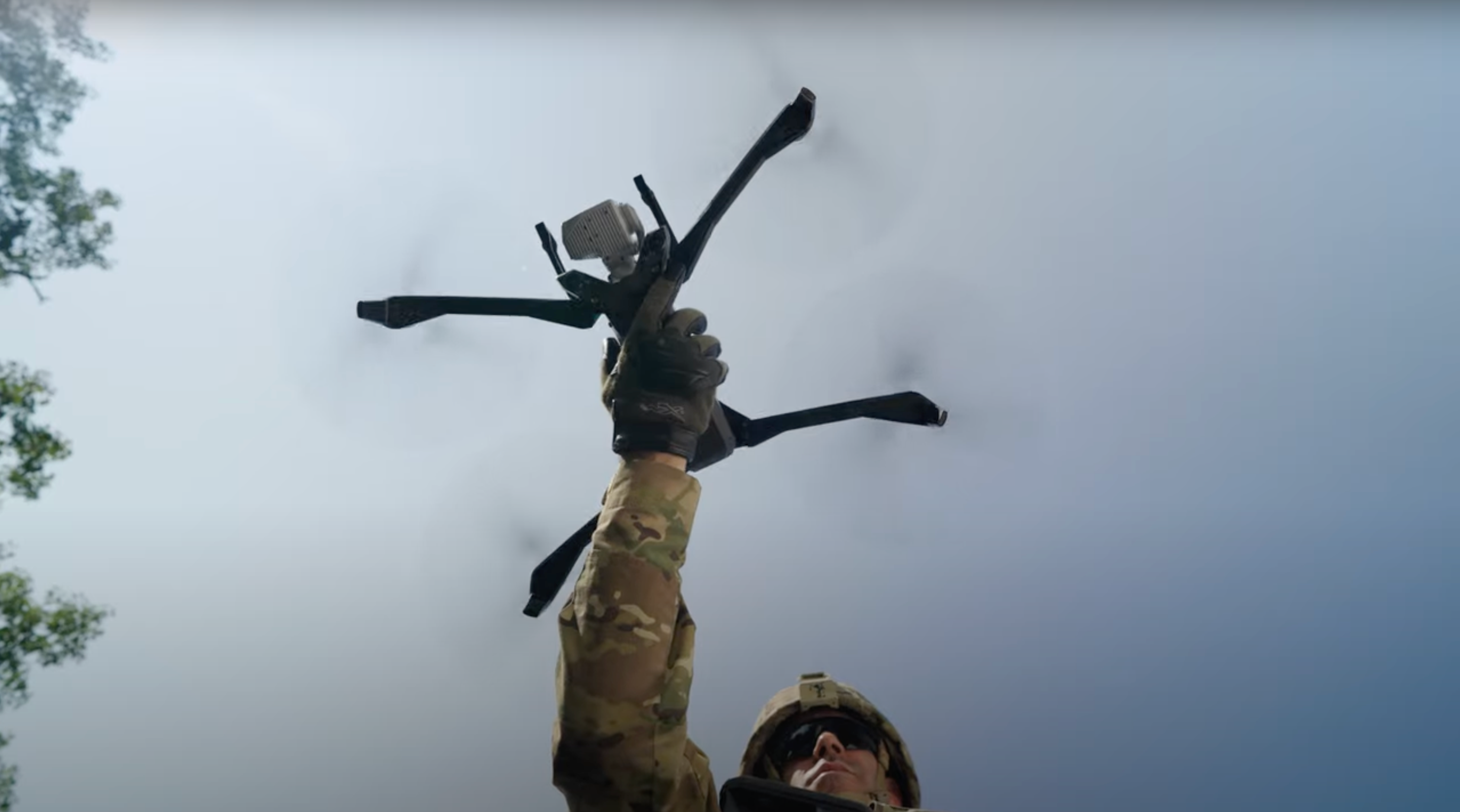
Deputy Charles Bell, one of the department’s certified drone pilots, says the technology gives officers time to think before stepping into danger: “We’d rather send a drone into a dangerous situation before a deputy.”
The agency currently operates 12 drones with five FAA-certified pilots, using them to support SWAT, bomb disposal, K-9 units, and storm damage assessments. Each flight complies with FAA rules and Florida’s strict privacy laws, ensuring transparency and accountability.
By integrating drones into daily operations, the St. Lucie County Sheriff’s Office is boosting response times, enhancing safety, and setting a regional standard for responsible DFR use. Neighboring agencies in Martin, Indian River, and Port St. Lucie are following suit, expanding their own programs to meet growing public safety needs.
- Deputies here at St. Lucie County say the view from the ground
- isn't always the
- most important. Having a drone ready in the air helps them
- spot
- trouble faster, stay safer, and search faster.
- And they say this technology is changing the way they work.
- [siren blaring] When a call comes in, deputies say every
- second matters.
- For the last five years, drones have just been such a force
- multiplier, uh, for law
- enforcement.
- The St. Lucie County Sheriff's Office has a fleet
- of drones ready to launch,
- giving them a bird's-eye view long before a helicopter can.
- Sheriff Richard Del Toro says drones are playing a role in nearly every
- kind of incident.
- But it gives us eyes in the sky when you're dealing with a missing person,
- when
- you're dealing with a large, uh, scale event such as St.
- Lucie County Fair.
- Even search warrants, and it's not just about speed.
- It's about safety.
- We'd rather send a drone into a, a dangerous situation before a deputy.
- The technology goes far beyond a camera.
- Drone pilot Deputy Charles Bell showed us the advanced features:
- thermal imaging, mapping a crime scene, and a loudspeaker that can
- be heard from the ground.
- Attention. Attention.
- Well, we definitely can do the thermal imaging
- for search and rescue missions.
- We can do overwatch for search warrants and SWAT team operations.
- We can also do damage assessment after hurricanes or tornadoes.
- Florida law bans warrantless surveillance, and deputies say every
- flight follows strict FAA regulations.
- We do have one dedicated training a month where we come out and we set up different
- scenarios and fly the drones. Um, we also have indoor drones where we can
- fly
- inside, inside houses. So we, we, uh, do a lot of training with our SWAT
- team, um, with our bomb team, our K-9 guys.
- The sheriff's office currently has 12 drones and five licensed
- FAA pilots, with plans to add more this year as
- technology
- advances.
- We have to change with the times. It's much cheaper to use a piece of
- equipment
- than it is to have a body. And not that we're ever gonna replace the human
- element
- at all, but we have to be using technology,
- like I said, as a force
- multiplier to achieve more with less.
- And deputies say this is just the beginning.
- As drones get better, their role in public safety will only
- grow, and from
- up there, you can see why deputies rely on this
- view. Reporting in St.
- Lucie County, Tiffany Rizzo, CBS 12 News.
Watch Time
2 Mins 13 Secs