Tennessee DOC Secures Facilities with Drone Technology
Tennessee DOC is redefining correctional security with a centralized intelligence center that deploys drone technology and AI camera overlays across its facilities to detect threats and secure perimeters in real time.
Originally posted on LinkedIn.
- (upbeat music)
- - Today we're talking with Harmon Hunsicker,
- who is TDOC's Director of the Office
- of Investigations and Conduct.
- And Harmon, you have been working really hard recently
- on developing a center that will help address
- safety and security in our prisons.
- Tell us what that center is and how it will work.
- - We're building the Correction Safety Intelligence Center
- and the Correction Safety Intelligence Center
- is a 24/7 monitoring center that will have three shifts
- of people that are monitoring technology
- that we're putting at each of our facilities.
- We're putting an AI overlay of all of our cameras
- at the facilities, and it can find things like
- geofencing areas that inmates aren't supposed to be,
- officer work areas where inmates aren't supposed to be.
- It's gonna be revolutionary for us.
- A second portion is we're gonna be monitoring
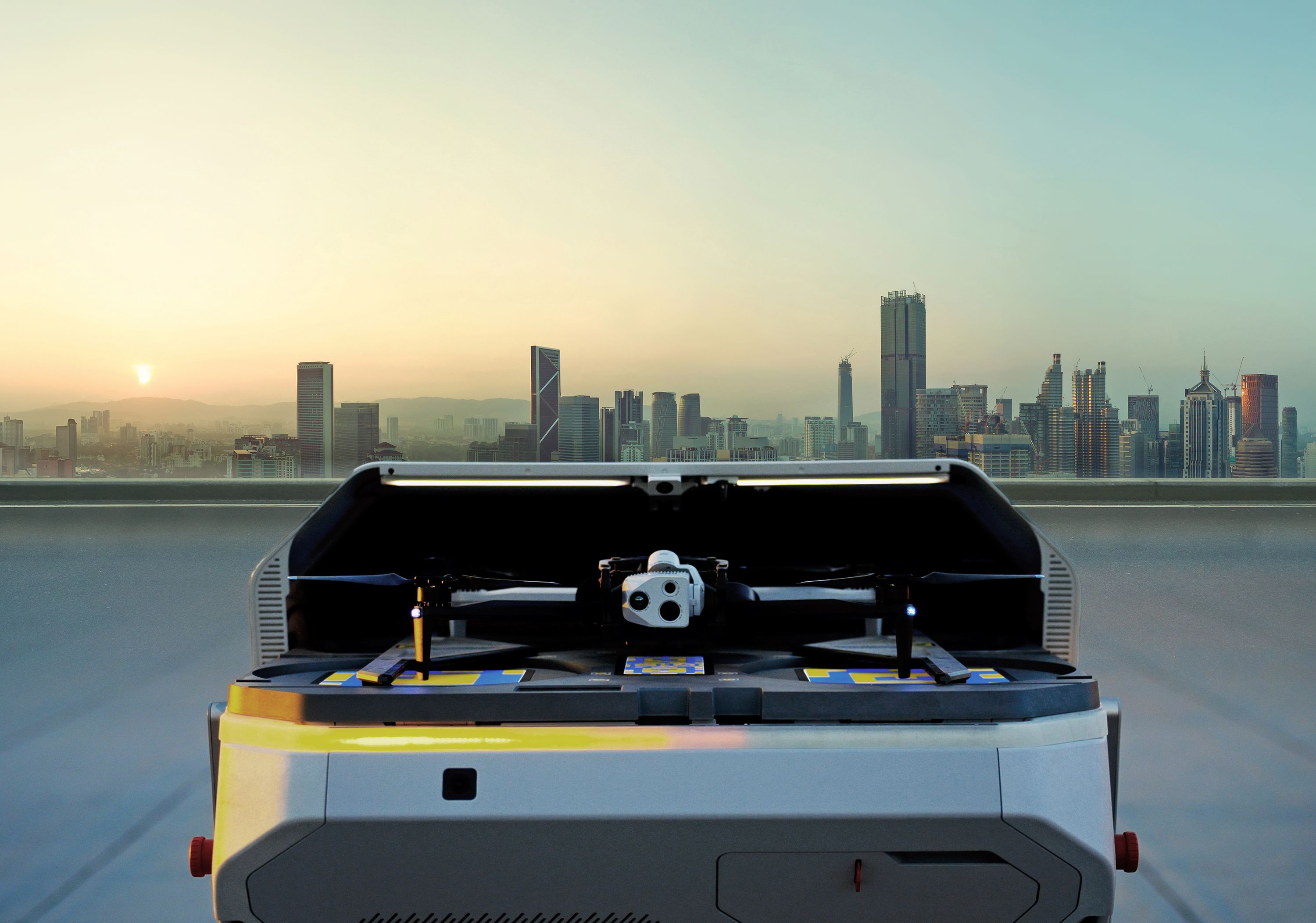
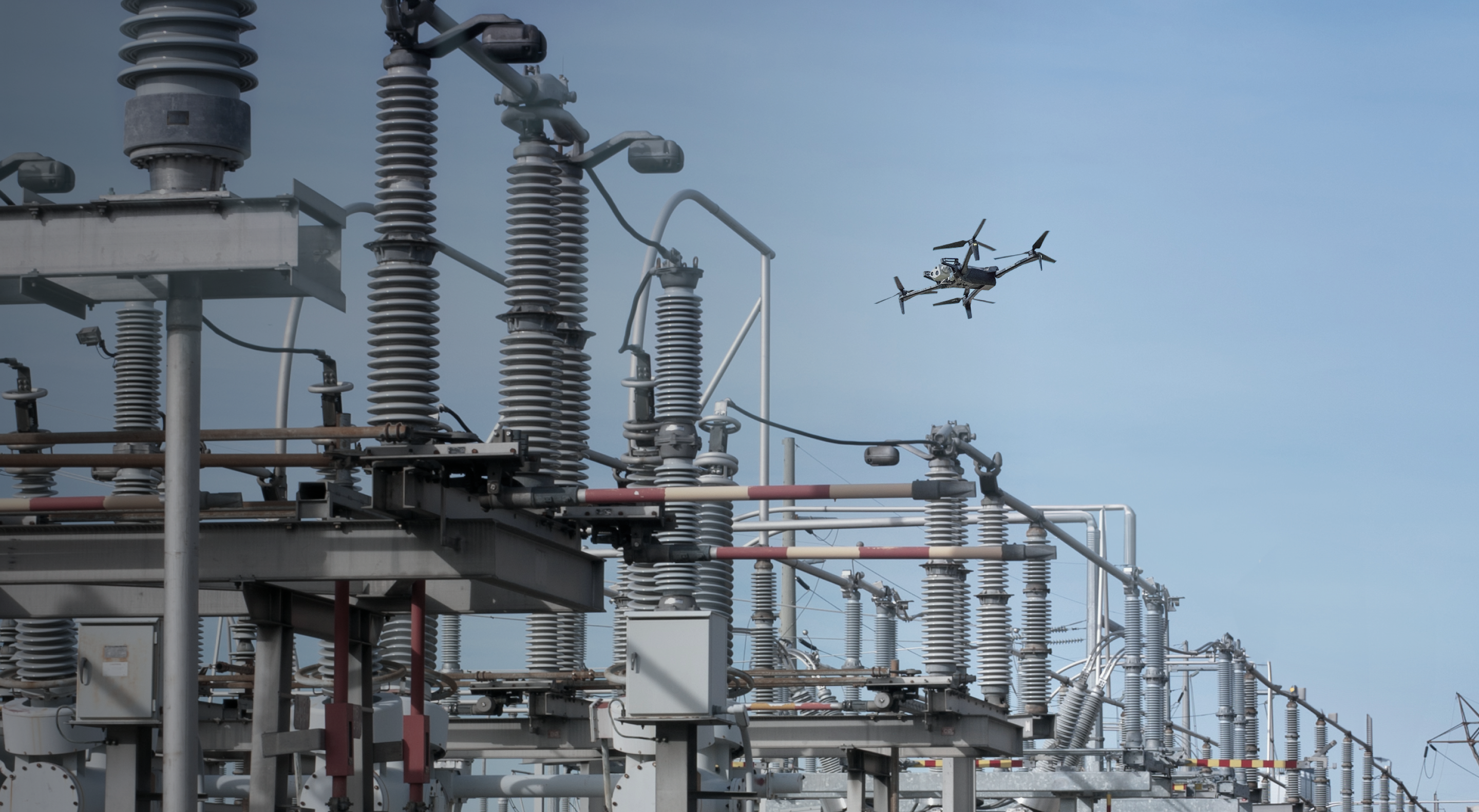
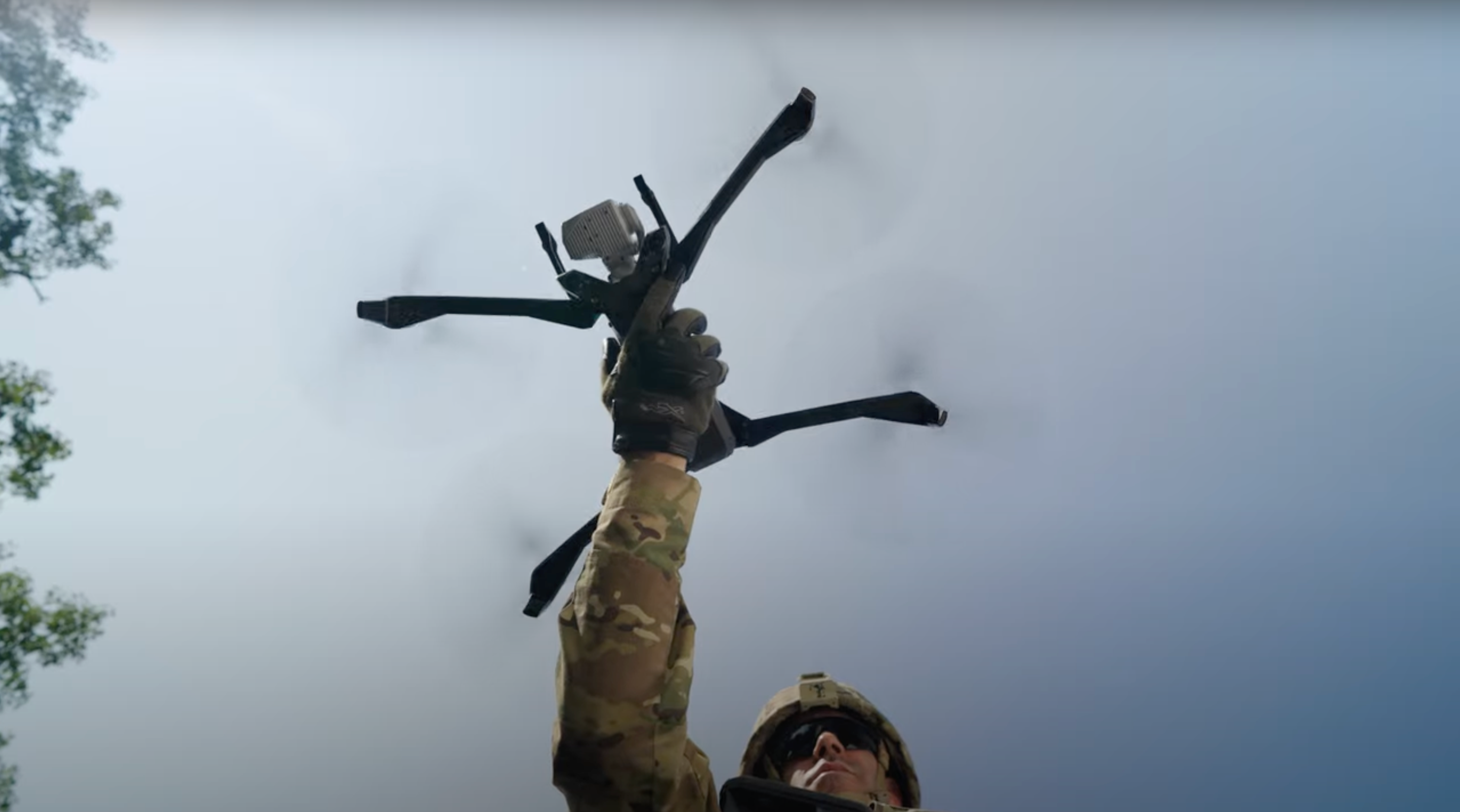
- small unmanned aerial systems,
- otherwise known as drones on top of 10 of our facilities.
- This gives us a rapid response.
- If cars come in that aren't supposed to be there,
- people that come in that aren't supposed to be there,
- inmates that are out of place,
- or have went out of our custody,
- we'll be able to track them a lot easier.
- If these drones have zoom technology,
- where they can zoom in and look at things,
- they can read license plates from quite a distance apart.
- They can track people and individuals.
- This would be very valuable for people being out of place
- and finding things of that nature.
- It's also gonna be tremendous in contraband introductions,
- meaning people that are sneaking in,
- trying to throw things over our fans,
- stash the ins and air fans,
- or using drones of their own.
- We're gonna be able to counter with this technology.
- The third piece of the technology we're using
- is a small unmanned aerial system detection system.
- It's gonna use radio frequency scanning.
- It's gonna use short range radar,
- and it's gonna use cameras with AI.
- So people that are approaching our parameters,
- people that are flying drones,
- people that are doing anything,
- trying to introduce something to our facilities
- are not supposed to be there.
- We're going to have a very good protective net
- around our facilities.
- All of these technologies,
- the AI camera system, the counter drones,
- and the drones are all gonna be operated
- out of a remote center in Nashville.
- That'll be a 24/7 facility.
- - So recently, you testified in the legislative committee
- that correctional facilities face a growing threat
- from drones used to deliver contraband.
- That's across the country, is that right?
- - That is correct.
- In 2025, we know of 51 drone incurrences at TDOC facilities.
- That's what we know of.
- So what are drones used for?
- They're used to bring in contraband,
- and criminal contraband is drugs, weapons, and cell phones.
- We know in the drones that we intercepted.
- There was a lot of cell phones,
- and it was a lot of narcotics that they were trying to get in.
- But ultimately, the scary thing about drones
- is somebody trying to get a weapon in.
- And we have not had any weapons attempted to be introduced,
- but that's a big fear with a drone being able to deliver it
- that somebody could use a weapon against our people
- or facilitate them getting out of our custody.
- - So this is about protecting the people
- who work inside of prisons,
- but also the inmates themselves, right?
- - Yes, I say this is revolutionary
- because when we talk about safety and security of prisons,
- we can break that down a little bit further.
- And how we can break that down a little bit further,
- we're trying to protect inmates from inmates.
- We're trying to protect our staff from the inmates.
- We're trying to protect inmates from themselves.
- And I'm talking about overdose or suicides.
- We're also trying to protect the safety and security
- of our facilities from destruction
- and people getting out of our custody.
- - So what do you say to families of incarcerated people?
- - I tell them that this is revolutionary
- and it's gonna make their families safer.
- We have a job to protect everybody.
- This is gonna be a force multiplier.
- We have limited staff in our facilities.
- They can only be at so many places at so many times.
- So when we put this technology in place,
- it's gonna be an opportunity to monitor everything,
- which will keep everybody.
- Our staff are people that come in
- to provide services safer.
- (gentle music)
Watch Time
4 Mins 27 Secs