Building San Mateo PD's Data-Driven DFR Program
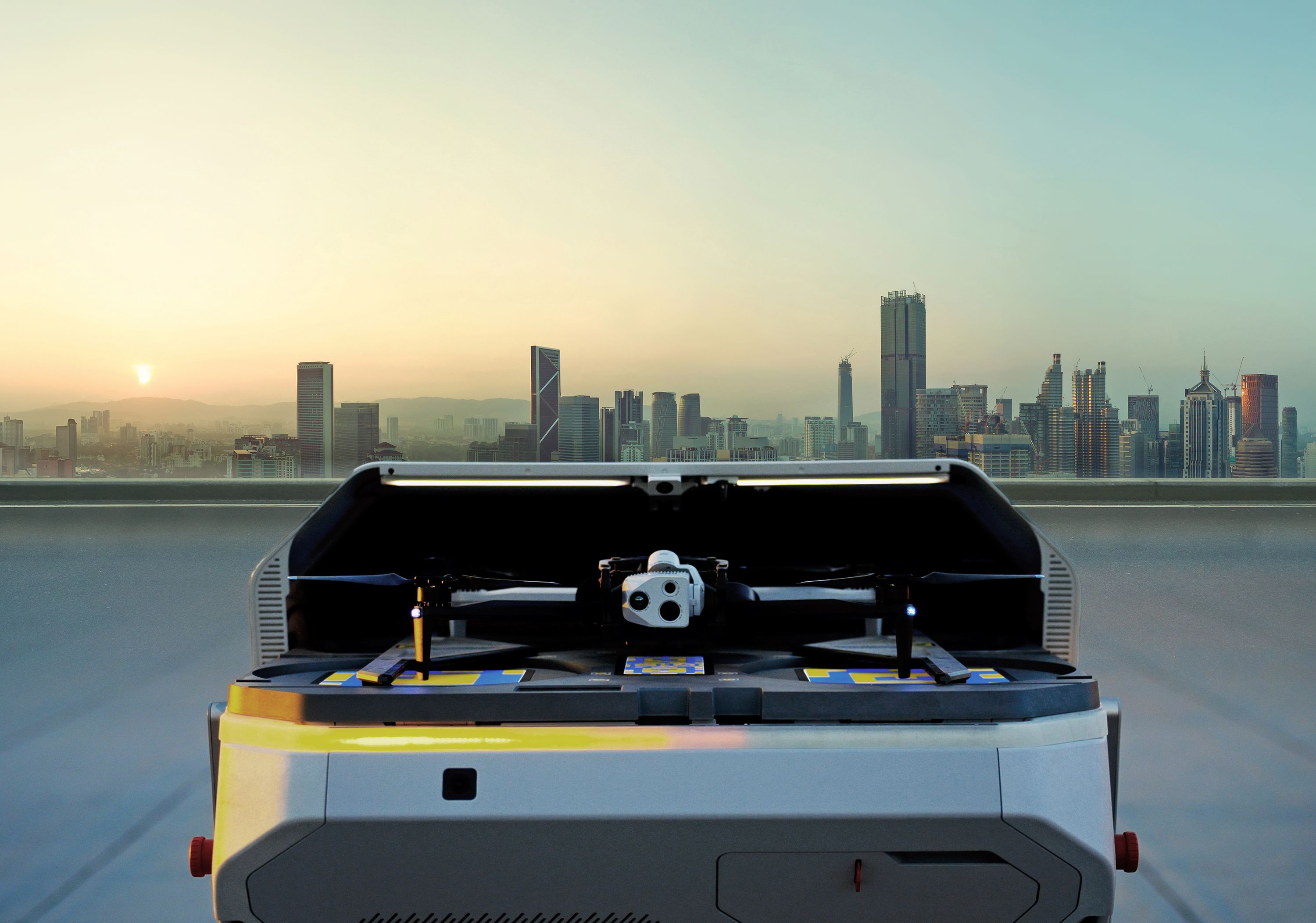
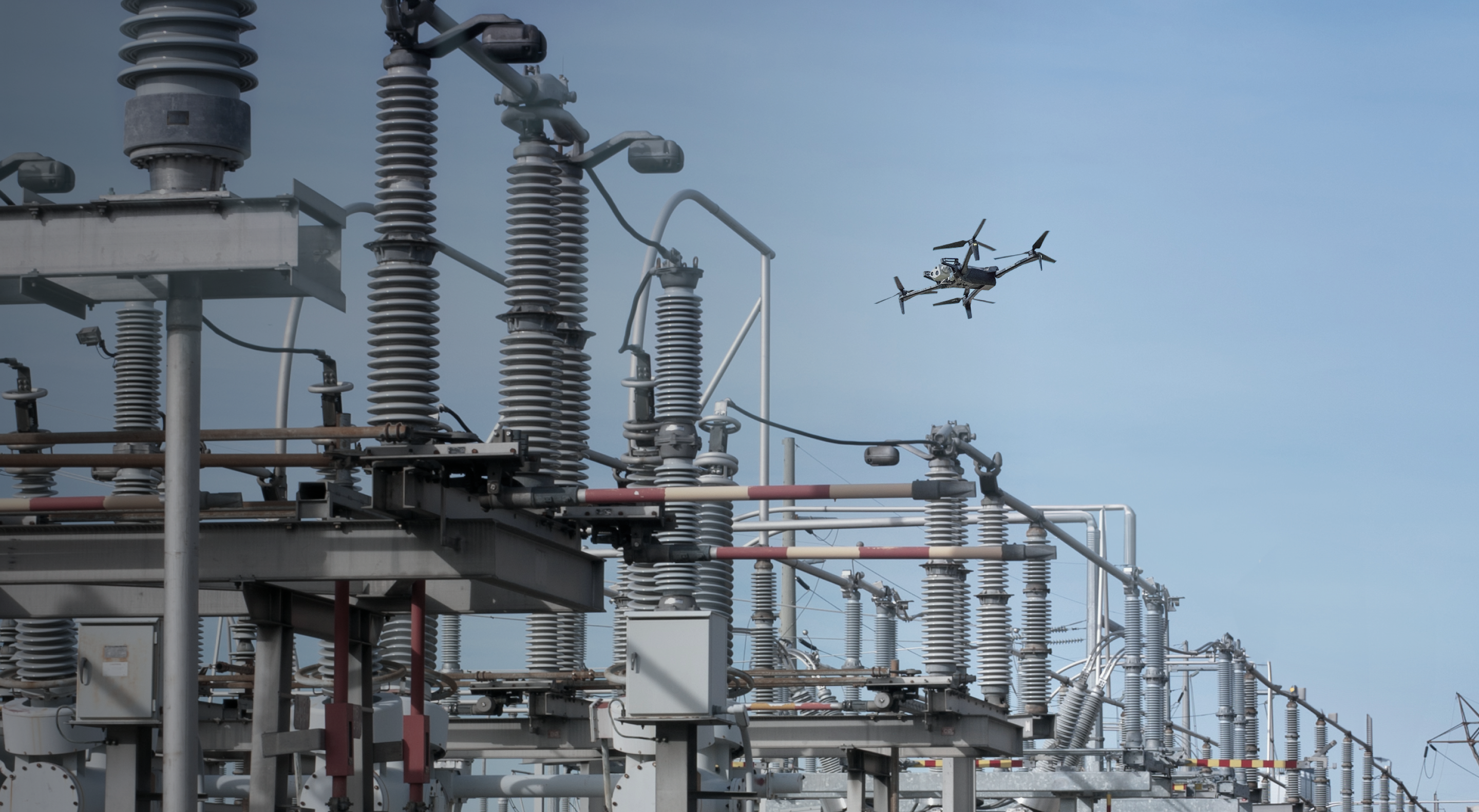
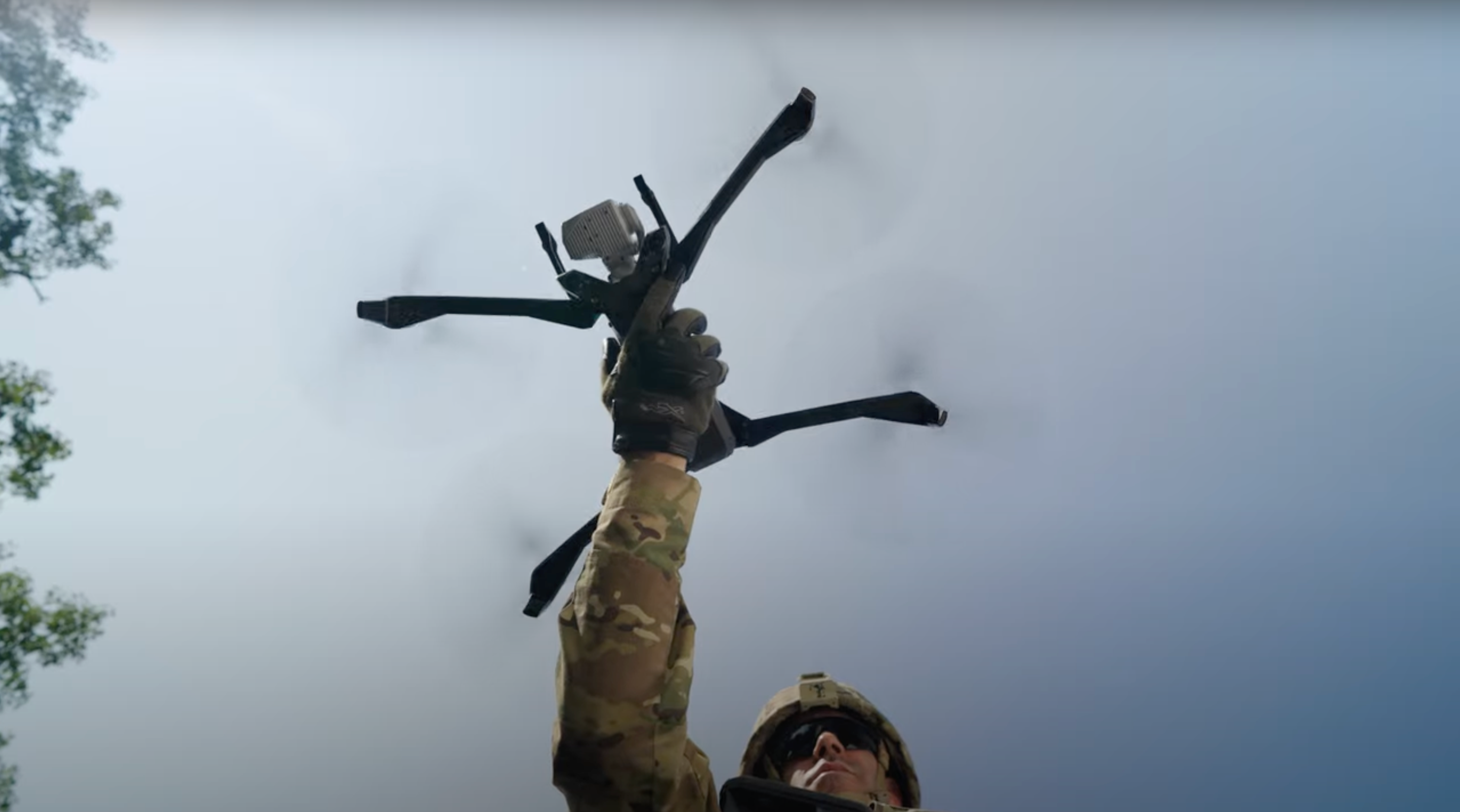
In this on-demand session, Noreen Charlton, Public Safety Strategy Lead at Skydio, is joined by Lieutenant Anthony Riccardi of the San Mateo Police Department to walk through how to launch and scale a Drone as First Responder (DFR) program using real call-for-service data. The webinar outlines the full progression from single-drone deployments to fully operational dock-based DFR systems, emphasizing how public safety agencies can take a crawl-walk-run approach. Riccardi shares San Mateo’s rapid advancement through these stages and the tactical advantages of remote and autonomous operations. The session reinforces DFR’s value not just for law enforcement, but as a citywide infrastructure asset—supporting fire, public works, and other civic missions.
- Hey, everyone. Thanks for hanging out with us today as we
- discuss Data
- to Deployment: Building a DFR Program By the Numbers.
- First and foremost, I wanted to apologize if you
- were hoping to get through this
- session a couple of weeks ago. I lost my voice, and much to the dismay
- of my husband and children, it is definitely back now.
- So appreciate your patience with this session, um, and changing the date.
- Couple of housekeeping things. Um, we do have a Q&A and a chat.
- Please feel free to drop any questions or comments you have there.
- Those are being funneled back to us, and we will get them either during
- or before the end of the session. And yes, this is being recorded.
- This will be available to you on the Skydio Live account,
- um, a few hours after the session is complete.
- So you will be able to revisit it at any point in time.
- So to get started, I'll give a quick intro,
- and then I'll pass it off to my friend
- here. Uh, my name is Noreen Charlton, and I lead public safety strategy
- on the marketing team at Skydio. Uh, and in a former life, I
- spent more than a decade with the Las Vegas Metropolitan Police Department.
- Lieutenant Riccardi, you wanna do a quick intro?
- Yeah. Thanks, Noreen. Uh, Anthony Riccardi,
- lieutenant with San Mateo PD.
- I've been here a little over, uh, 23 years.
- Uh, my current assignment is the daytime admin lieutenant,
- and I manage
- our, uh, drone team-
- Perfect
- ... amongst a few other things.
- Yeah, you stay pretty busy.
- Uh, before we kind of get into the meat of
- this session, I just wanted to give a
- brief overview on Skydio if you're not familiar with who we are
- and what we do.
- Um, while we do serve different industries,
- uh, with drone technology, public
- safety is a top priority for us, and we currently
- serve more than 700 public safety agencies in all 50
- states and abroad. Um, and we are heavily focused in drone as
- first responder programs. So while we're here to help you if you
- wanna kind of start small with one drone and build your way up, um, we are very
- heavily focused on DFR and what that looks like for agencies
- across this country, and this session is very much dedicated to
- determining the best way to deploy your DFR program.
- So I wanna briefly kind of discuss, um, what we call the path to
- DFR, and this is basically how we are seeing most public safety
- agencies mature their program from that
- single drone on a shelf. And so that's the first image you're
- seeing here on the
- left. These are our specialized units.
- So whether you're part of a SWAT team or a fatal unit
- or crime scene investigations, these are usually the teams that have a
- drone on the shelf. And they are requested out to a
- scene kind of once everything is static.
- It's no longer a dynamic scene unless it's a SWAT call-out.
- Um, and someone's bringing that from an office, a lab, a
- substation to the scene, you know, 30, 40 minutes after
- to get information, situational awareness for everybody else
- on scene.
- And that's where most agencies are starting with one drone.
- Um, and they inevitably will probably stay
- there forever. We don't really see agencies getting rid
- of these specialized
- units. We don't really see drone teams taking
- over these specific
- tasks. We do think they'll live forever in this,
- this space of, uh,
- specialized units.
- But then what we're seeing in the next image is what we call patrol-led
- deployment.
- So you're seeing the officer there at the patrol vehicle using it for a call for
- service. And this is something that the Oklahoma City Police Department
- has really evangelized with the use of drones.
- They started taking them off of the shelves in their substations and
- putting them into the trunks of patrol cars so that they were available
- in close by, uh, scenes when they needed a drone.
- Um, and basically, this was to get better information without
- needing helicopters. And so have them in patrol
- vehicles on given shifts, maybe a couple per shift
- so that these are available and ready close by.
- But the problem with this is that the officer who has the drone in
- their trunk
- is now stuck with controlling the drone. That's what you're seeing here.
- The officer is standing by the patrol car, controller in their hand.
- So now that's one less person that's available to actually
- respond to the incident.
- When we released the Skydio X10, we started something that we
- called patrol-led drone as first responder, and this is
- enabled by remote operations. So we think the remote operations
- piece is really what makes it a drone as first responder program.
- But a lot of agencies are doing this today.
- So still drone in the trunk.
- However, the officer who's on scene with the drone
- doesn't
- actually have to be the operator. That can be taken over by someone
- in a dispatch center, a real-time crime center,
- whatever you choose to
- call it, and that officer is now free to get back to
- work on the ground with everyone else.
- They don't even have to be certified as a pilot, right?
- They literally just have to take it out of their vehicle, power it on, put
- it on the ground, let someone know, "Hey, can you take over?" And th- they will
- commandeer the drone and do whatever they have to do with it,
- and then land
- it back for the officer to put it back in their, their patrol vehicle.
- And then the last two phases that you're seeing on this
- are drone as first
- responder dock-based. We're looking at this, um, in these
- particular situations you're seeing these as hives.
- We'll get into that a little bit more here shortly.
- Um, but we're looking at this two ways, either piloted dock-based
- DFR. So again, you have a remote operator who is
- piloting or operating the drone. And then an autonomous
- dock-based DFR where the drone is responding based on certain
- triggers. Whether it's CAD events or ShotSpotter
- or a license plate reader, the, the drone will automatically and
- autonomously respond to these incidents without needing a, uh, an
- operator in the loop. And that's a little bit further into the
- future, but right
- now this dock-based drone as first responder is very much live
- and with multiple agencies across the country, and we're rolling it out very
- quickly each and every day.
- Um, and so in this image what you're seeing
- is kind of this dock-based DFR
- deployment as we envision it. And as more agencies are
- implementing it today, we're really moving toward this world
- of smart cities and what we're calling kind of drones as infrastructure.
- So you see in this image not only are the drones responding to
- fire incidents or vehicle crashes or other types of active
- incidents, but we're seeing a lot of cities use them
- for
- building inspections or for their utilities.
- And so using them in a lot of different ways all on the same system so
- everyone is operating off the same place.
- So Lieutenant Riccardi, I kind of want to pass it off to you.
- I know your agency has moved pretty quickly through this
- process from specialized unit to dock-based DFR.
- Can you talk a little bit about where you started and where your program is today?
- Yeah, absolutely. So we've, we've started just as you described with a
- drone on the shelf that got called out for special events
- or tactical
- events. Um, we used them on SWAT call-outs
- and obviously, I mean,
- clearly the, the value, we saw the value right away.
- And you get your, your wins right away where the drone
- was...
- w- played a, played a big role in, in, in the success of the mission.
- Um, and then, you know, we saw those wins and we
- were wondering why we don't have
- those on other calls for service, and why, why are we not providing this asset to
- our, our everyday patrol folks? Why are we keeping this on the shelf and only
- bringing it out for special events?
- So we quickly went to a patrol-led model where we
- had, uh, drones out on patrol. Um, we got a couple of dedicated
- cars, uh, we got a dedicated van, and we were out on patrol
- flying, um, patrol-led missions.
- And, uh,
- and then we ran into the same problem like Noreen described where now I have cops
- with their head in a remote and there's officer safety issues.
- Um, if you're not in a, a nice part of town, um,
- luckily San Mateo doesn't have too
- many of those, but a lot of you guys out there do.
- So if you're in a very unsecure or un- unfriendly area, you're gonna have to
- have multiple cops, uh, at a command post or,
- or a flight center just making sure
- that, uh, the pilot is safe, um, and/or, uh,
- have a tactical officer relaying information.
- So it eats up a lot of resources.
- And then, uh, we got into a, a, the, the dock deployment.
- Uh, and, and, uh, it was really, it was really
- eye-opening for us how efficient, uh, the dock deployments are.
- And when you're running dock-based DFR, um, and flying remote is,
- is where it's at. The remote, the remote portion of,
- of the operation is, is key
- because, um, you're able to fly from a safe space.
- You're not having to drive or find a place where you can take off
- and land.
- You're not worried about obstructions here and there.
- You know that your la- your launch and land zone is safe, um,
- and you can get to
- anywhere in your city, um, depending on where your docks
- are based pr- relatively
- quickly. So, um, we, we went from shelf-based
- to, uh [laughs] to dock-based in, in almost... just under a year I think.
- And, uh, it came really fast. And our biggest challenge right
- now is finding staffing. So luckily we have a
- couple of light-duty officers, um, that are...
- happen to be pilots and are tech-savvy and are working in the RTK and piloting
- at the same time. So
- we have staffing at the moment. Um, I literally just had a conversation with
- my
- chief this morning about, um, we're gonna have to find staffing because,
- uh,
- when they go back to work we're, we're gonna be in a hole.
- And, uh, it's becoming such a valuable tool our,
- our officers
- and our, uh, supervisors on the street are,
- are depending on it.
- And they're asking for the drone before we even...
- before, before the call, call's even finished being dispatched
- they're asking for
- these resources.
- Yeah. That's super helpful. Um, and I think we'll talk about staffing a
- little bit
- more here in a couple slides later so, um, because there's a lot of
- questions about how that works best for a DFR.
- Skydio DFR is currently live in agencies of
- all sizes, so different size land area
- that they serve, the
- number of officers that they have on the agency,
- the number of calls for service
- that they get each year. Um, and yeah, we decided if we can
- figure it out in New York City, that's great.
- They are truly a unicorn. No one else is like the
- NYPD. But if we can figure it out there with the
- skyscrapers and the connectivity struggles,
- like certainly we could figure it out
- in other agencies. Um, and so this is just a very small
- sample of the types of agencies that we're working with.
- But, you know, it's obvious to everyone that all agencies
- are very different, and you all operate very differently
- despite potentially even being kind of neighboring agencies.
- You all just do things very different.
- And so
- we now have a lot that we're learning from,
- that we've learned a lot over the last
- year or so, and we're constantly iterating to make
- sure
- we're getting things better and more, um, you know,
- customized for your particular use case.
- Additionally, Skydio has employed more than two dozen
- former
- law enforcement, public safety, um, employees from various
- agencies across the country who really can just, you know, offer their
- input into how we develop our products and why it matters to
- agencies like the ones that they served, which are agencies like
- yours
- So really quickly, I wanted to touch on a study
- that we did in,
- uh, the fall of last year, and we looked at a- about a 60-day
- period, and we got about 2,000 DFR flights
- that we got
- insights from.
- But first, I wanna talk about 27,000
- Skydio X10 flights by public safety agencies.
- So these are controller-based. These were just X10
- flights. These were not drone as first responder
- programs.
- Um, these agencies could have flown up to 400
- feet.
- They were within line of sight. These were not BVLOS, uh,
- flights. And we found that on, on average, these agencies were
- flying at about 143 feet, um, altitude.
- And so we were learning that even though agencies can fly high,
- they were getting a lot more information and felt comfortable
- flying low to get into restricted spaces,
- right? To tight spaces, to parking garages, to GPS-denied
- environments, and a lot of them were getting really low
- and close to use the
- drone to clear vehicles before officers w- would approach.
- And then we realized that continuous overwatch is a really,
- really
- important feature for programs. Um,
- 28% of all flights were relieving
- another drone on scene, so meaning they had a drone on scene, the
- battery was getting low, they sent out a second drone to
- essentially take the place of the first, and so it was relieving that drone,
- something that we call on station relief.
- And 17% of all of the calls for service required a long
- response time. So when we look at battery life, um, and this
- is dependent on so many things, the weather, the environment, how you're
- flying, we found that 17% of the agencies were on
- calls that were longer than that 30 to 35-minute battery
- life. So we realized really quickly we're gonna
- have to do something that
- enables agencies to have this continuous overwatch.
- It's kind of pointless to have a drone program if you can only have it up cer-
- during certain times and you have to bring it back to swap a
- battery or
- charge a, charge a battery or whatever the case might be.
- We also found that DFR was mostly a night operation.
- So 58% of the flights were at night between 8:00 PM and
- 8:00 AM. Um, I know when I was in Las Vegas, our air unit went
- down every night, 4:00 AM, 4:30 in the morning, and
- so there were several hours at the end of the graveyard shift, um,
- even into the beginning of the day, day shift, um, where they just didn't have
- access to air support. So drones certainly fi- uh, fill that
- gap, especially if you have a- an air unit and you
- are already operating with
- helicopters.
- But this was super important to us, too.
- Um, so we wanted to make sure that all agencies could fly just as they
- did
- during the day with autonomous operations, and it was low
- friction, and they could do all of that at night as well.
- Um, Lieutenant Riccardi, can you kind of talk about
- when you guys are doing most of
- your flying?
- Yeah. We're working, uh, swing shift hours right now, so, um,
- a- and it really depends on your city and, and like Noreen said in the beginning,
- no two cities are the same, no two agencies are the same, um, and, and
- your calls for service are all kind of vary.
- So when you're in bigger cities that typically have more nightlife than
- others,
- um, you know,
- you might get more night flights. We, we are right now seeing most of our
- flights
- in the afternoon, um, to, uh, late evening and getting into the
- nighttime hours. Um, we're working in the arctic between
- 1300 and
- midnight 01, 01-ish, and, uh, we're doing a lot of flying.
- Although this morning we had a DV call in, in our brand-new dock that we just had
- installed last week, caught a DV suspect fleeing a apartment
- building.
- So, uh, at 8:00 AM, you know, you get those, you get those as well.
- So, um, it's just kind of what, what we experience.
- Our call volume takes off, at least for, for the city of San Mateo, our call
- volume takes off at about 11:00 AM and then peaks around 1500,
- then we get a little drop, then it spikes again around 17
- and then carries on
- past 2300-ish. So that's when we, we started matching our
- pilots with our call volume.
- Yeah. That's awesome, and that's super helpful advice to anybody
- else who's kind of
- thinking about how they're going to structure their program, uh,
- to start with.
- So there are really two competing architectures right now in the world of
- DFR.
- Um, one of s- one is to have a single dock
- that does battery swapping,
- and those, um, DFR programs are looking at land area.
- And then there's the dock hive, which is what Skydio believes in, which
- are multiple docks, um, in a given location.
- So you have this continuous overwatch for these long calls when
- you need a drone in the air longer than one battery, when you
- can't afford to send a drone back to swap a battery because
- everything's way too dynamic and you just don't want to miss something.
- Um,
- so
- i- in these calls for service that are long, um, and you have to send one
- single drone all the way back home, and I'm gonna be very liberal with this.
- So let's say it takes two minutes for it to fly back home to the
- dock. It's got to get back down into the dock,
- it's got to do its battery
- swapping, it has to get back up in the air,
- and then it's got to fly that two
- minutes back. You are losing minutes of
- aerial overwatch situational awareness on a dynamic
- scene, and in a world where you work, where literally seconds
- matter, minutes is a lifetime, right? We...
- It's, you know, it's like when you're on that call
- and you can hear the sirens
- coming, but nobody's showing up. You can't ha- lose that
- situational awareness. Um, it's just not acceptable.
- So we look at everything from an incident volume perspective, which is what this
- session's about. We're gonna get into what that means
- and what that looks like
- specifically su- for San Mateo and what that could look like for your
- agency as
- well.
- And I wanted to play this quick video.
- So this was a long, drawn-out string of crime.
- Um, but basically, the suspect broke into an occupied
- residence The people
- were able to get out, but he barricaded himself inside.
- Um, SWAT was outside. You can see them in that image there.
- Um, and he found a motorcycle in the garage,
- decided he was
- gonna plow through the garage door with SWAT outside.
- They hit him with some less lethal.
- He crashed the motorcycle, but he took off on foot.
- As you can see in this residential area, all of the homes
- are, um, you know, enclosed with a
- fence and/or kind of a cinder block wall, and this
- was also a nighttime operation. So a very violent
- fleeing felon, um, because he had con- conducted multiple felonies that
- day, in a residential area. Just imagine had
- your drone had to fly back home to swap out a
- battery when this happened, and he took off
- on foot, you could have easily lost this person.
- In addition to that, um, now he's jumping walls into different
- backyards. And I think everybody knows the second
- someone's jumping into
- backyards and you are trying to follow them, every time you
- get to that top of the wall, you don't know what you're gonna see on
- the other
- side. So being able to provide this information
- to the officers,
- "Hey, he's in this backyard, he's still running," and not, "Hey,
- he's posted
- up in the corner with a gun. Don't go back there." Um,
- so just think about how
- critical it would have been if the drone wasn't there,
- and it had to fly back
- home without having another drone to come replace it first.
- So now we're gonna get into DFR math and why we think that incident volume
- matters. Um,
- so kind of want to relate this back to as many cities are growing, they
- realize there's kind of a need for another police station, another
- substation. Um, they don't look at that based on the land area they serve.
- They look at all of their call for service data,
- and they decide, you know, we'll put a substation in an area
- that typically has higher priority calls for service.
- You're not gonna go put that out in the middle of nowhere where
- you have fewer
- homes and really no calls for service.
- And so we look at it as, um, the dock kind of
- being a substation and the drone, the drone as first
- responder being another officer that you can get out onto scene.
- And you don't want to just put that anywhere in your jurisdiction based
- on land
- area. You really want that close to the calls
- that matter because they're high
- priority. Um, Lieutenant Riccardi, I know that in the last time we kind
- of spoke about this, you talked about using fire stations for
- dock placement.
- So you can... Can you just talk real briefly about how
- you consider different
- areas in your jurisdiction, uh, for potentially placing docks?
- Yeah. So when we thought about adding docks to,
- uh, to our program, uh, we
- looked at, uh, our city and kind of figured, well, what- what's-
- what's in... What's, what's low-hanging fruit for us?
- Like a city-owned building or, you know, somebody that you're already partnering
- with. Um, so we looked at our fire stations.
- We looked at our other city-owned buildings.
- The fire stations were really, uh, intriguing to us because at least in our
- county,
- um, our fire stations are all strategically placed for calls for
- service and
- overlap. So if you had a hive at all your, all of your fire
- stations, um,
- theoretically you could have, um, drones already set up in perfect
- positions for response for calls for service, um, across your city.
- So, um, we ended up finding a, um, a
- city library, main library downtown, which actually worked out really well for
- us.
- Um, our library folks were on board 100%.
- And, um,
- that location worked out good for our downtown, our downtown dock, and now we're
- gonna be looking at, um, expanding over to the east side of our
- city.
- Um, there's a couple of, of good options over there.
- Again, we're, we're back to looking at the fire stations
- over there, uh, to see if
- that's something we can utilize. But, you know, when you guys are thinking about
- where you're putting... where you're gonna put these docks, um,
- think about
- MOUs that are already in place, partnerships that already exist.
- Because trying to go knock on a private, um,
- business' door and say, "Hey, can we put a dock on your roof?
- Um, and we gotta get up there
- quite often for inspections, and we gotta run this infrastructure." Um,
- it's, it's
- quite an ask. So that's why we went with our, uh, um,
- our
- city-owned buildings and, and fire stations for expansion.
- Super helpful. Um, so I kind of want to break this down a
- little bit
- more. Let's talk about, uh, NYPD and
- Charlotte-Mecklenburg.
- Both roughly the same size in land area,
- 469 square miles versus 438, but
- drastically different in the number of officers that serve those
- communities, and it's because of the calls for service
- that they have
- on a daily basis. Um, you
- determine your staffing levels for an agency based on how busy you
- are, you know? Um, and so the same should be said for your
- drones. However busy you are, however many high priority
- calls you have or whatever priority you are looking to use your
- DFR program for, that should indicate how many drones you
- need,
- not just in general circles on a map.
- Um, that just doesn't align with every other
- way that you
- determine how many officers, where your stations are, how many...
- You know, all of those things, that's all kind of very relevant to the
- call for service in your agency.
- Um, so we see DFR as an incident volume
- problem.
- And when we build out these programs for agencies, we build them out very much in a
- crawl, walk, run approach to smart...
- start with a fewer number of docks to kind of get your program up and running,
- figure out your staffing, get everything in place,
- and then to build out
- for full jurisdiction coverage if that's something you were looking
- to do.
- So the question everyone asks is how many and where do I put them?
- Um, we have developed a system where we use
- your
- historical call for service data, and then we build out a deployment on
- this crawl, walk, run method to help you determine how many
- docks you need, how many drones would serve your agency
- based
- on different percentages. And so we're gonna walk through San Mateo
- PD's data. Um, but this is how it's looking for DFR deployments
- across this country
- Um,
- you know, I think, uh, Lieutenant Riccardi made it very clear
- they've kind of
- gone through this process very quickly, and they are building very fast.
- Um, but most agencies don't. They start small. It's a small build.
- They have to get, you know, the community on board.
- They have to figure out a lot of things for their agencies.
- We acknowledge drone pro- DFR programs are difficult to put
- together. We're here to help you through
- that process.
- But our system ingests your call for service data, and then, um,
- that's the one thing you kind of have to provide to us.
- And then we choose a whole bunch of different parameters.
- That's what you're seeing on this slide here.
- I'm gonna go through what each of those look like so you have a better
- understanding of what we are doing when we analyze this data.
- So we're taking your calls for service, we're taking into account your
- airspace, and then we're taking into account our X10
- vehicle
- parameters. We're putting that all into our DFR deployment
- modeling engine, and then we are producing the data like you will see
- in the
- next few slides.
- So calls for service, let's talk about that first.
- Um, first of all, we wanna know, like, what are you trying to achieve with
- DFR? Are you trying to eliminate burglary
- alarms
- where you just don't wanna send officers?
- Are you trying to get eyes on scene for your priority
- zero, priority one, two, however you wanna look at it, so that your
- officers have situational awareness every single time before they arrive on a
- call?
- And then what is your contingency for calls that happen at the exact same time?
- Inevitably, you're gonna have things that happen at the same time, and
- you don't wanna put your pilot, your operator in a position where they
- have to
- choose which call is more important, and potentially send a drone to a
- scene, um, and then not send one to another where an
- officer
- really, really needed that assistance.
- And then for redundancy, uh, multiple drones to different
- calls, same location. Make sure you can send multiple
- drones at the same time.
- And then what is the average call duration?
- So we're looking at this basically like a minute-by-minute,
- um, point of time throughout your historical
- call for service data,
- where we're looking at, you know, how long were you typically on
- scene? How many drones would potentially be
- needed for this?
- And so for San Mateo, Lieutenant Riccardi, um, what were you guys super focused?
- Was it for your, you know, high priority calls, or
- was it for clearing calls for
- service where you didn't need to use patrol?
- Yeah, we were looking to do a little bit of
- both, um, and it's actually worked out,
- uh, that way. So we, we took our, our priority one, our, our priority two
- calls for service and, um, we went to Skydio and created a heat
- map, which gave us a, a good database to, to work off of.
- Um, and we looked at how many calls we could
- get to if we had, um, you know,
- one, one hive or two hives or three hives, and we
- compared one, um, single dock locations or two two-dock
- locations. So, um, we were able to kind of really tailor
- our, our purchase, which, which helped with the budget
- and it helped, um,
- show the city manager's office and, uh, um, that
- we are, that we are focused on, you know, not just going out trying to buy as much
- as we can, but really trying to tailor, um, what we can afford
- to, to our response. And, um,
- right now we're gonna have... We'll be putting our,
- our second dock on our roof.
- Uh, literally right now Skydio's here
- installing dock number three, uh, on our
- roof, so we'll have our first hive.
- Um, we've been simulating the hive, which, which, uh, if you guys have
- standalone drones... Um, I, I don't know if I mentioned this before,
- but we have a,
- uh, we have a combination of field deployed
- X10s and dock
- deployed. And for us that really works best because it gives
- you the most
- flexibility in your response utilizing the drones.
- You could take a, a X10, set it on the roof next to the dock, and
- essentially kind of have a hive that, that you can launch multiple drones from.
- Um,
- we also looked at call duration and, uh, uh, our reach
- from our police department is actually really good. Our...
- We're pr- we're f- in the southern quadrant of our city,
- but fairly centered east to west. So we can reach a mile
- and a quarter east and
- a mile and a quarter west, no problem.
- And, um, uh, we do that quite frequently.
- So that's why we decided to add a second drone to the PD instead of trying to
- figure out another spot, just because we found through, um,
- just getting
- out there and flying that, uh, most of our calls for service could be
- flown from
- the police department.
- Yeah.
- So when we look at airspace, um, how large is your coverage area that
- you're trying to fly DFR flights? Uh, do you have any
- no-fly zones? Do you have a zero grid in your area?
- We'll bring in the FAA maps, and we do this with our deployment model.
- And then do you have the appropriate waivers in site, or in, sorry, in
- place to do BVLOS, um, flights? If you don't,
- what's the process to get there? We have teams in place to help you with
- this. Um, and then there's also the new certificate
- of waiver that's out
- now. Um, and so agencies, I'll touch on this on a slide at the
- end, but agencies are getting these, uh, very quickly these days.
- And so being able to get up and running with your BVLOS flights very
- quickly.
- And then lastly, we look at our vehicle parameters.
- So we look at our flight time, our average cr- cruise speed,
- our battery life, and
- take-off time. And we take into account the attachments
- as well, because obviously that, um, makes a difference in flight time and
- some other things. So we look at all of these things
- when we bring in
- the data to our system.
- And so before we jump into the data for San Mateo, can you kind of just
- level set for everyone here and give them an overview on the city
- itself
- first?
- Yeah. We're, uh, about 105,000
- population. We're about 120 sworn, 12 square miles or
- so. We are the largest city in our county.
- And we're centrally located between San Francisco, Oakland, and San Jose.
- So for those of you out there that know the, uh, San Francisco Bay Area,
- um, we're pretty busy 'cause we get, um...
- A lot of our criminals, a lot of our crime, um, is, uh,
- thanks to what we call, like, transient criminals.
- They're not our homegrown criminals. They're coming from different locations.
- Um, if you blew up the San Mateo Bridge, we'd, we'd all be out of a job because,
- uh, it's, it's probably the most- ...
- frequently traveled escape route out of our city.
- Um, so,
- uh, you know, given, given where we're, we're located, we, we stay
- fairly busy, um, out here in San Mateo.
- Awesome. And then how about a little bit of
- information just on the PD itself?
- Yeah. So like I said, we're about 120 sworn.
- Um, we have about 60,000 or so calls for service, and that's just,
- um,
- um,
- citizen calls for service. If you add our officer-initiated,
- we're upwards of,
- like, 80-something thousand calls for service on
- average.
- Um, we do have a custom airspace. We are situated in
- between SFO and San Carlos, uh, Municipal
- Airports. Uh, we worked with both airports for a long
- time.
- We started making contacts at the towers, uh, making friends there, 'cause making
- friends there was really good for us.
- Um, we also have some G airspace off to our
- west, which is, which is really nice.
- Um, but we're also... You know, being situated so close to SFO, we are
- within the MOA/TVA, um, of the airport, which actually helps us,
- um, due to, uh, Skydio's ADS-B capabilities and,
- uh, um, the FAA's willingness to, uh, to
- give a NOA waiver. So we actually have a COA and a CAU,
- um, depending on, on what we're flying and where we're flying.
- Um,
- we have, uh, 20 or so pilots. They're all Part 107.
- Um, they all take the test. We all do a three-day, uh,
- training down at
- the RTC. And then we have our own training
- requirements that we put them through
- and, and, uh, NIST test, and we have in-house NIST instructors, um,
- that, that, uh, give the NIST test to our pilots.
- Um, we're working on, uh, training up.
- We have, uh, six,
- six
- pilots at the moment that are training up on the Dock,
- to fly out of the Dock.
- We have in-house train-the-trainers.
- Um, we're working on training up a couple
- more.
- And then, um, uh, we're working on getting everybody on
- board with the
- X10. In the field we have, I think, 12 or so right now.
- So we're kind of going through the progression of getting everybody trained
- up on,
- uh, on everything that we're flying at the moment.
- Awesome. So hopefully there's some people here on
- the call
- that can relate to the size of your agency and kind of what you
- guys are doing. So I'm gonna run through what we did for
- San Mateo.
- So we took their historical calls for service between
- January of 2024 and December. So a full year of calls for
- service, and there were around 27,000 of those
- that were priority one and priority two.
- And then we did a couple of other things here.
- We took into consideration a 30-minute time on scene.
- We looked just at priority one and two.
- We avoided, obviously, the zero grid.
- You can see that in this image to the right.
- The blue dots, uh, generated all of the call for service
- that they had, it was 27,000. And then the grid where they couldn't
- fly, um, so we're obviously not looking to put
- Docks in those locations.
- And then we did this analysis for them with the X10 with
- NightSense. Um, so NightSense is
- our attachment, um, for allowing, you know, these
- autonomous, uh, operations at night, so you can still fly
- with the same confidence as you do during the day.
- Um, but that adds a little bit of weight to
- the X10, so that changes some of the
- numbers. So we're just kind of showing you
- that we're really basing this
- on data-driven results, um, as closely as possible as we
- can with everything that we know about your jurisdiction,
- your police department, and our equipment.
- Um, and so then we got to phase one, and this is kind of where you guys
- are right
- now. So you can kind of talk through what
- that looks like and what Dock-based
- deployment looks for you in this phase.
- Yeah. So phase one we started with, um, our Dock right on, on, on the
- PD. And, uh, we just, we just started, um...
- We found a pilot. We, uh, [laughs] we had, uh, people flying part-time and on
- overtime. Um, we still don't have a, a, a full-time pilot outside of our
- light-duty folks that we're using. So, you know, we didn't want...
- We didn't want anything to slow us down.
- We felt like we had momentum, uh, rolling into the DFR program.
- Um, we were pumping out a lot of overtime. Our, our...
- We have some very passionate pilots, uh, who stayed late after shift to
- fly.
- And, uh, you know, phase one was very successful for us really
- fast. And it doesn't take long. And those of you guys out there that all
- have, um, drone programs and are flying currently, whether it's
- out of a car or off a roof or out of a Dock,
- you guys all see the value right away.
- And it doesn't take long to get a couple of really good wins, um, when...
- And then all of a sudden your chiefs and your command staffs are like, "Oh,
- yeah,
- we need more. We need more of this. I need more of these." Um,
- so that's really
- what happened to us, is, um, we were, we were in a
- beta, uh, with the Dock, and right away it was like, "Okay,
- this is, this is
- very valuable. We need to add to this program." Um,
- and then we...
- That's when we jumped in and made the purchase of, uh,
- of the other two Docks, um,
- and the other X10s in the field. So, um, you know, just
- if you're gonna get started with one Dock or even just flying a drone off of a
- roof, crew-based off a roof, um, don't, don't let any of that, that
- hold you back. Get, get started. Get rolling. Find pilots. Fly on overtime.
- You know, fly special, special events. Fly missions.
- Um, we were putting... I was putting out overtime and just
- gathering two or three pilots and saying, "Hey, you guys grab a drone.
- Go support patrol for the weekend, um, with, with a couple DFR shifts."
- Um, and, and again, those wins will come, and, and the value will, will be seen,
- and then all of a sudden the people who are writing checks will, will, will get in
- there and support you.
- Awesome. And then we have a video here if you wanna... And I did...
- Admittedly, I'll tell everyone I sped this up a little
- bit so that it would go a
- little faster. But if you want to talk through this
- Dock-based flight that you
- did.
- Yeah. So this is off the roof of the PD.
- You can see, um,
- once the gimbal comes up.
- That's our east side. Highway 101's one of our major, uh,
- thoroughfares through the city.
- We get a als- a lot of calls for service up and down,
- uh,
- El Camino, which you'll see here in a minute.
- Uh, we're gonna fly west towards the mall.
- We were flying west towards the mall
- Yeah, I think the video's just being a little
- jumpy on this
- So what we found from where we are right here is we can get
- to two major
- shopping malls in about 120 seconds.
- Uh, they're about a mile away. And with the camera on the X10,
- you don't have to be right on top of your target.
- You could be a quarter mile away and already s-
- be starting to get intel as you're
- flying up to the, to the target you selected.
- So we're flying right now. The large building right in front of you
- of Hillsdale...
- is Hillsdale Mall. It's, uh, along the El Camino Real corridor, which
- is one of our busiest, uh, corridors.
- It's, uh, State Route 82 that runs north and south, uh,
- through the entirety of our
- city.
- Then you have the train tracks. You got some new developments. So w- we,
- we, um...
- And this is, this is just a simple flight to the mall
- and back.
- We do patrols when the, when the m- mall has large events.
- We will, uh, we'll oftentimes do passing checks at the
- mall when they have, uh,
- they host Christmas parties, and they do things outside on the lawn
- where we can,
- we can, uh, fly and make sure that, uh, we can ch- clear rooftops.
- We can, um, you know, check around all the buildings.
- With the Skydio X10 and the ob- obstacle avoidance that, that it has,
- we can fly
- down in between the buildings and, and search.
- We can even fly in the parking garages.
- So gives us a lot of options for, uh, for being able to get out there and, and
- check on things that are going on.
- Perfect. All right. We'll jump back into the deck here.
- And we will talk about phase two. Um, so when we looked at
- phase two for San Mateo, we, um,
- said that they would need nine docks in three hives
- to respond to 81% of their P1 and P2 calls for
- service. And can you just give the audience, like,
- a quick overview of what P1 and
- P2 s- means at San Mateo?
- Yeah. Our priority one calls, um, are immediately dispatched.
- And they are typically, you know, your felonies, your in progress,
- your, your persons crimes, so your robberies, um, any,
- any type of, uh, collision with major injuries.
- Um, so our priority two calls can be
- disturbances, um,
- c- calls of, you know, suspicious persons that usually can pend.
- Th- those can pend 5 to 10 or so minutes, uh, before they get
- dispatched. And, and, um, you know, a lot of times our pilots are
- listening to live 911. So we're hearing the call come out,
- so we're not even
- waiting for dispatch to determine what it is.
- We're hearing the call and we're like, "Oh, yeah, we're gonna fly that." So a lot
- of times, like this morning, um, we were in the air and on our way to the
- call,
- uh, before the officers were dispatched, um, and, and on scene minutes
- before the officers got there. Um, so, you know, the ability to...
- For the live 911, listening to the live calls as they come
- in
- is, is a big part of, uh, a big part of DFR 'cause you can get there
- a lot faster.
- Yeah. I totally agree, and a lot of agencies
- are definitely using that with their
- DFR program. Um, what you're seeing in the image to the
- right, the red circles
- there are what would be a hive, and this is nine docks in three
- hives. Um, so this is three docks per hive.
- And then you're seeing, you know, the purple.
- Those are all the calls relative to this dock at the top of the image.
- The blue is relative to the central, and the green.
- So these are all the calls for service relative to the area they were located in,
- and then where the, the drones and the docks would sit in, in
- relation to that.
- So nine docks in three hives would respond to
- 74% of the P1 and P2 calls for service in under
- 120 seconds. And I'm gonna back up here in case you
- missed it.
- This one says 81% of their calls for service.
- This one says in under 120 seconds, so in less than
- two minutes. Um, that's the difference here.
- With the nine docks, three hives, 74% of those calls we will
- get to in less than two minutes, and that's what you're seeing in this
- image here
- again. Your hives on the right, and then this is a graph where we kind of
- plot
- this out. So on the X axis, you're seeing the seconds.
- On the Y, you're seeing the percent of calls
- that we can respond to.
- So if I look at, like, 50% of calls,
- um, we're at, what, 75-ish seconds.
- So that's just giving you an idea. If we were concerned with 75 seconds,
- we would say this number of docks and hives would respond to
- 50% of the P1, P2 calls for service.
- So that shows you how on a sliding scale we can kind of change this based
- on how much you want to respond to and how quickly you want to do it.
- And so then what you're seeing here, the nine docks in three hives for
- 81% of, um,
- 8, 81% of the time we're looking at call
- coverage versus
- the docks per hive. So obviously the more docks
- that you have in
- a hive, the more coverage you are going to have in your calls.
- So you have more manpower in these drones to respond to more calls
- instead of just having one drone on a rooftop.
- Again, that's accounting for multiple calls for
- service at the same time,
- which we take into account when we look at your data because we're
- getting that
- information with your historical call for service information.
- And then we look at what it takes to operate these drones.
- So to have an 81% coverage, that would require two
- operators in San Mateo. Um, you'll see that the peak
- demand time is, um,
- at, at the hour of the day or at the bottom, right?
- And then on the right, we have average operators required.
- Um, San Mateo is busiest in certain locations,
- and
- so we're saying on average you would need about two operators during these
- peak times to manage all of the calls at the same time.
- And that's assuming that while you are flying to a call, because the drone
- is responding autonomously, that you have zero attention to it
- while it is in transit, but that you have 100% of
- attention to that drone while it is on the scene, on the incident,
- on station. Um-
- And so that's, those are things to consider as well.
- But we do give you that information so you have an
- understanding of the type of
- staffing that you would need for your program.
- And of course, deployment is scalable.
- Um, you will get different results based on
- the investment that you
- make. Obviously, the more docks that you have, um,
- the, you know, that decreases your response time,
- that increases your
- coverage, that makes sure you get to a higher
- percentage of your calls for
- service.
- And then citywide coverage for San Mateo looks like 15
- docks in five hives would respond to 86%
- of their P1, P2 calls in under two minutes.
- Um, and so what you're seeing there again on
- the right, uh, those red circles
- indicate your five hives, and then multiple docks in each
- hive. Um, if I were to zoom in on this image,
- you would see a number, and that
- would tell you the number of docks that you would want in
- that particular hive.
- And I wanna pause here for a second to point this out, because I know there's a
- little bit of misinformation in the world right now.
- Skydio X10 is not limited to a
- two-mile radius. Um, the S- the X10 will fly
- indefinitely as long as it has connectivity via 5G and our
- Connect Fusion.
- We are only limited by our battery life, which
- inevitably will only get better as our technology gets better.
- Um, I know we spoke about this before, Lieutenant Riccardi, but can you kind of
- speak about using batteries in patrol cars and emergency landing
- spots and kind of some ways you can kind of get around this battery life, uh,
- for the duration of your flight?
- Yeah, for sure. So,
- you know, don't... The- Noreen's pretty much nailed it.
- We've fly- we've flown over two miles, um,
- w- we're, we're not coming back, but we flew over two miles, [laughs] um,
- uh, out
- of our dock and, uh, landed in the field, and were able to swap batteries and put
- the drone back up. So this is, this is partly why I feel like, you know,
- a combination of field deployed X10s and dock deployed X10s
- gives you, uh, the ultimate flexibility, uh, in, in your,
- with your program. So, um, I don't know, a couple months ago we responded out to a
- suspicious person in a large, um, large office complex.
- It was a
- 10 or 12 story building, um, out on the e- east side of our, our
- town. Uh, we flew the drone,
- the dock from the PD out to the site. We're on site flying around.
- And, uh, I dr- I grabbed the other drone. I jumped in the command car.
- I drove out there, um, knowing that we might be here for a while,
- that we had a
- large area to clear. We had a suspicious person inside.
- Didn't really know what was going on.
- As our folks are entering the building, um, I'm firing up the other
- drone and just setting it in the parking lot.
- And then, uh, Marcelo, one of my pilots, um,
- commandeered that drone while it was up and then landed
- the, uh, dock drone. I swapped the battery out on the dock
- drone, and we did
- our own little hot swap right there in the parking lot at the command post and
- never lost eyes on. Um, so, you know, the, the flexibility that you
- get, um, with, with, uh, having spare batteries
- and spare drones in the
- field is huge. We also hot swap the batteries on the
- roof.
- So if, um...
- Last Saturday, we flew, we had a pride parade, and we had a
- protest, uh, on, on El Camino. We had, I don't know, a couple, three,
- 4,000 people at the parade, and we probably had 1,000
- or so people at the
- protest. Um, and we had a, a couple... and one other big event going on.
- And, um, Savannah, another one of our pilots,
- was running up and down the stairs,
- hot swapping, um, the dock
- battery so that we didn't have to wait for the dock to charge.
- We would just hot swap that battery, put it back up,
- then we land the field drone,
- right? So we would launch the field drone.
- That would hold us over for the hot swap, and then we would come back out.
- So, I mean, really your options are, are really
- endless. Um, coming up, you just gotta think about your,
- your landing in the field,
- um, your landing in the drone. Can you get to the dock?
- So like in, in the, in the library dock, we won't be able to run out there,
- uh, and hot swap that battery. So that's one of the things
- that we're gonna have to
- think about when we launch the library dock.
- We're gonna want a drone in the field.
- We're not gonna wanna land that at the dock for a hot swap.
- We're just gonna wanna land that in the field, um, hot swap
- that battery, and then
- it can take off, and, and we can continue our mission.
- So having batteries and drones in the field, um,
- really is a force multiplier, um, for your drones that
- are coming out of the docks.
- Yeah, and that's why we're so big on hives.
- So that's why we think that you should have multiple docks in one
- location so that
- you can do all of these things, send another drone out
- while one goes home to
- charge, um, and keep continuous overwatch on an
- incident
- without having to do a lot of extra work.
- But for the agencies that are interested in kind of, you know,
- starting with a
- one dock situation, um, the batteries in patrol
- cars is something that a lot of people are doing.
- Uh,
- next slide here. Not coming up.
- There we go. Um, so in their phase three deployment, again,
- this is for citywide. This is looking at, what,
- 86.4% of their calls we would reach in
- less than two minutes.
- And 90% coverage would require two operators.
- So same as last time, um, two operators to get to that 90%
- coverage.
- So all in all, it is citywide coverage.
- 15 docks in San Mateo could free over 1,400
- officers annually. Um, and so what's really important here
- is that, you know, call response, how long it takes you to get to a call,
- is definitely one of the pieces of the puzzle for DFR.
- Um, but the other one is this whole concept of freeing up
- officer hours and letting the drone clear calls for you.
- And so let's break down what that looks like.
- Um, annual calls for service in the deployment
- zones that we looked at for San
- Mateo was 16,000.
- If we can respond to 86% of those in less than
- two minutes, so that's sub 120 seconds,
- and on average agencies are res- reporting between
- 20 and 25%. We have Redmond PD just said that they're,
- uh, clearing
- calls about 25% of the time with the drone without sending officers.
- But here we did it, um, for San Mateo quite a, quite a while ago.
- We used 21% of those calls And so that means that we could
- eliminate 2,900 calls for service each
- year with the drone arriving on scene.
- And so if we say that the time the call received, um,
- to call cleared is about
- 15 minutes, and usually you have two officers
- responding to a
- particular call, um, you'll see that these are the o- the
- hours saved now.
- Um, and then the, that's 1,400 times
- 126, which is we're taking kind of a national
- average on a
- hourly rate for a patrol officer, and then that's
- coming to $75,000 the value of the time
- saved by sending a drone out so that they can...
- You know, the operator can clear the call without
- having to send ground units.
- Um, and of course, you know,
- there are, uh, so many pieces of the puzzle.
- Um, but for DFR outcomes, you know, of course we're saving time,
- money, resources, lives. Saving lives and increasing safety, number one,
- of course. Um, we, uh, talk about
- reduced use of force. A lot of agencies say
- that about 50% of the
- time they are eliminating use of force.
- Obviously, this changes from agency to agency.
- Um, but that's just because they have more
- information when their officers arrive,
- right? The caller states that a subject has a gun.
- Drone goes up, subject doesn't have a gun.
- So now our officers have a completely different approach to that scene than they
- would have if they believed the person had a gun.
- Um, if you have not seen the video from
- Bernalillo County Sheriff's Office, it's
- a seven and nine-year-old in a backyard with a firearm.
- They're waving it around. They pulled the trigger.
- Uh, without the drone, those officers could have taken very
- different
- action on that scene. But they had a drone in the air.
- They were able to keep their distance, allow for additional time to
- deescalate the situation, um, and eventually it came to a
- peaceful resolution. But these are all the things
- that we're looking at with the
- DFR program. It's not just about response times.
- There's so many more things that go into it when you're building it
- out. Um, and of course, none of this
- would be, uh, real if we didn't have the
- BVLOS waivers in place to conduct, uh, DFR
- operations. NYPD received the f- the nation's first
- citywide BVLOS waiver without a visual observer.
- 300-plus more agencies have since received the same
- waiver. Um, Lieutenant Riccardi, you mentioned your COA and your COW, your
- certificate of waiver. Um, a lot of agencies are doing
- both. But with this new Part 91 BVLOS waiver
- approvals... Kind of want to show this timeline real
- quick 'cause I think it's
- super interesting to see how things are changing with the FAA.
- Um, on the far left, this was pre-Dec or October of
- this last year, and it was taking over 400 days,
- more than a year, for an agency to get approval.
- I do believe that was NYPD. And then if you see the dots all the way to the
- far right, they're happening so much quicker now.
- We are averaging a six-day approval process.
- I've seen some come through in 48 hours.
- So, um, a lot easier. If you need help getting through that,
- we have
- all the teams in place, and we can help you walk through
- that process as well.
- Shout out to JP. He's our regulatory guru.
- Um, and we're here to help you build your DFR
- program.
- So, uh, going through this model, um, and I'm gonna have Lieutenant
- Riccardi speak to it real quickly about the importance of understanding
- DFR programs with call for service data.
- But we also have regulatory teams.
- Um, we have deployment teams who will go out.
- They'll check your connectivity coverage.
- They'll do site assessments of the locations where you want to place docks.
- We'll make sure that everything's good to go before a dock ever arrives at your
- site so we know you're gonna have everything that you need,
- it's going to work as
- expected. And they will stay there with you on site
- until you're flying DFR flights, which agencies are actively
- doing every single day now since we've rolled out the Dock for X10.
- And then we'll help you, um,
- kind of with everything along the way.
- Uh, you know, getting your training, getting everything.
- Uh, so we know DFR programs aren't easy.
- They are a heavy lift, but we have the teams in place to help you
- get through it.
- So Lieutenant Riccardi, kind of before we jump into some of the
- questions
- here, um, how important was it for you and
- your agency or your leadership in particular to see kind of this
- data-driven approach, not just to randomly placing docks
- in locations but to understanding they were going into places that
- were, um, saturated with high-priority calls?
- Well, it made all the difference in the world
- because, you know, th- those of you
- that are on the call that, that are involved in drone programs, uh,
- you guys know how valuable they are.
- But to go to, to go to your command staff and your city
- managers, uh, or your county managers and, and ask them for a
- lot of money
- just because, you know, "Hey, this is a good idea.
- We should do this," doesn't really suffice.
- So when you bring this package to them and you can show them that
- the... what you're saying is backed up by data is,
- is, is huge. And, and that, that is what caught the attention of our city
- manager, where we showed, um, our city manager, our city council,
- um, we showed them, our, our chief, uh, "These...
- This is the data, and this is what we can do, uh,
- with this program if we
- build it out." And, um, we got a lot of support that way.
- We also sold this as a citywide asset.
- This is not a police asset. This is...
- can be used by public works, by parks. Um, we've flown parks.
- We've mapped parks. We've mapped, uh, parking garages for public works.
- Um, fire department, very useful f- for, uh, fire, on rescue.
- We have a lot of bayfront, so we, um, we've been working with fire on, um,
- on, uh, g- getting them involved in a regional
- approach so that now we can fly
- drones, uh, calls for service they have out on the
- water rescue.
- So, um, there's a lot of, um, resources that, that you can,
- you can attack with this program. And, and don't just sell it as a, you know, we
- want this for crime fighting. This is not just a crime fighting tool.
- This is a, this is a safe cities tool overall.
- And that's, that's how we sold it. And providing the data to back up,
- uh, what y- what you're saying is, is huge
- Yeah, that's super helpful. Um, so for those of you that are here today,
- if you are
- interested in completing some type of DFR modeling with us, this is the
- information that we need from you.
- Uh, we do need all of your, kind of in a spreadsheet, call, date,
- and time, the
- lat, long of that particular incident, and how you classify
- that in priority. Um, also helpful if we know
- your hotspot areas or specific precincts and sectors
- that you're inst-
- interested in doing DFR in. Obviously, as we run our s-
- our, um, you know, simulation of what this looks like,
- we will be able to see
- where your hotspots are just based on where you're getting the
- most calls for
- service. But if you can provide us this at a
- minimum, we can help you
- get started on figuring out the best way to crawl, walk, run
- to a full DFR program, if that's what you're looking to do,
- based on where you need assistance the most, where your officers
- are out there the
- most responding to these, you know, high-risk, high-priority,
- dynamic situations, and they could use a lot of extra help
- from some
- aerial overwatch.
- Um, so I'm gonna get into a couple of the
- questions.
- We only have a few minutes left here.
- Um, Lieutenant Riccardi, I'll, I'll send this one over to you.
- This was kind of after you played the Dock video for us.
- Was your drone video back-hauled to your operation center
- for the operators to watch and to operate the drone?
- So if you can talk about how that works at San Mateo.
- Yeah. So this, this drone right here is being flown remote.
- Uh, we're sitting in a, um, in the real-time information center.
- We have, we have four stations set up that we, uh, pre-designated with
- IT to make sure we had enough bandwidth to run, uh, the video and,
- and everything else we run on the computer at the same time.
- Um, this one was happening to be from the
- real-time information center, um, where
- we're sitting in a, in a, in a safe en- environment, in a room,
- and we're able to have, um,
- maps up, CADs up on a screen. Our, uh, we use flight radar up
- on a screen, uh, to also watch for incoming flights as well
- as paying attention to
- Skydio's ADS-B in alert. Um, so we have multiple screens up
- and, um, we're flying basically from a, from a real-time information center.
- But we can also fly from other locations that we've pre-designated.
- Awesome. Hopefully that was helpful to the person that had
- that question.
- Um, someone said they are... How many people do you
- at San Mateo have available to staff your RTIC,
- and is it staffed seven days a week, 365?
- Also, to add to that, how often are you finding that you're flying on
- average per
- day?
- Yeah. So we are, we're currently staffed with, uh...
- We have two pilots on light duty. Uh, we're gonna shift their schedules, um,
- to a
- Sunday to Wednesday and Wednesday to Saturday.
- So we'll have seven-day-a-week coverage. It'll be mostly swing shift hours.
- Um, we also have, um, a dispatcher who works in the RTIC quite
- often.
- She's also a pilot. Um, so we have three pilots
- that rotate through the, through
- the RTIC quite frequently. Um, right now, uh, for the
- last... The numbers that we're showing right now are based on,
- um,
- a Tuesday to Friday model working, uh, swing shift
- hours, uh, with basically one pilot, and then, like myself or
- Marcelo, who works in traffic, flying part-time here and there, um,
- when, when we need to.
- Excellent.
- What was the other part of the question?
- Um, how many calls are you flying on average per day?
- Our, our calls for service have jumped, uh, since we installed the Dock,
- um, and, and really,
- really as we've added pilots, right? So the more pilots we have,
- the more flights.
- But if you look at our, our average calls for service,
- our flights per day,
- um, if you look at year-to-date, I think it's right around six to seven.
- Uh, and then if you look at the last 60 days,
- it jumps to eight.
- And I just looked the other day. We're back up to, like, 13 to 14,
- um, flights. So as, as we add Docks, as we add pilots, um, we
- are increasing our flights. Um, and if...
- I, I would almost guarantee you in the next
- 30 days with two pilots and three
- Docks, uh, we're gonna be somewhere upwards of
- 20-plus flights per day.
- Awesome. Um, there's a question about Illinois having
- restrictive
- laws for law enforcement flying. We do have several
- agencies in Illinois who are doing DFR programs.
- So absolutely feel free to reach out to me.
- I will get you, um, some contacts or some additional information there.
- We can help you through that. You can either send me a note through
- Skydio Live,
- uh, via the message, or you can email me at
- noreen.charleton@skydio.com.
- Same goes for the question about materials that could assist
- in articulating the value of a DFR program. That is my specialty.
- I would love to help you there. Um, again, feel free to email me or
- shoot me a message there in Skydio Live, and I'll get you everything that you need.
- Um, how about... Can you talk about a little bit...
- This, we'll take this as the last question
- 'cause we're right here at the top of
- the hour. But, um, someone asked a question about not being
- able to use drones
- in, um, weather or kind of any other
- conditions. Can you talk about your experience with
- flying in rain or
- wind, anything like that?
- Yeah. We have, uh, we [laughs] we have quite a bit of
- experience actually.
- Uh, when we installed our first Dock, um, it was almost, I would
- say, would, uh, what I would consider a, a pretty heavy, uh, rain and a wind.
- Um, we were probably, I don't know, blowing 30-plus miles an hour, 40,
- and it was pouring rain, and the poor guys that were, uh,
- installing the Dock were
- soaking wet. But we run our test flights in this
- weather, and I'm like, couldn't
- be... Couldn't... That is not what the day looked like,
- just for the record.
- [laughs]
- Um, it was... Those flags were, were full value flags.
- And, uh, we actually, we, we flew out in the rain.
- I'm like, "This is a perfect test. We have Skydio here on site.
- We're flying in the wind, in the rain, in the weather." Um, it was...
- I, I've seen, I've seen the, um, the drone land on the Dock where
- it is swirling left, right, left, right, left, right, and it just finds that
- AprilTag and bam, down it goes, um, in, in the, in the weather and the rain.
- And it, it, um... We have some good videos that, uh,
- maybe we can share with,
- uh, with Skydio and, and put those out.
- But we, uh,
- we have full confidence that we can fly this thing in all kinds of
- weather.
- Yeah. That's awesome. And, uh, for everyone else out there,
- if you need any
- additional information on that, uh, we have...
- We were intentional about the agencies we chose for our beta program, so we were
- flying in extreme heat and cold and snow and
- rain and ice, and you name it, it was there.
- Um, so we've done a lot of extensive testing
- around extreme weather
- conditions, um, and more than happy to help you with
- anything else that you need
- there. We are a minute over. Um, thanks to everyone
- that, uh, was hanging out with us today.
- Lieutenant Riccardi, as always, I really appreciate you, friend.
- Uh, thanks for hanging out with me and doing this session with me.
- If you have any questions, you need any help,
- you wanna speak to anyone,
- um, or see their DFR program, please just reach out.
- We're more than happy to connect you to
- more people like Lieutenant Riccardi, who are a wealth of knowledge in this
- space and also just really open to showing off kind of what they're
- doing in their agency. So appreciate you all.
- Uh, this recording will be available for you
- if you need it.
- And, uh, thanks again and take care. Stay safe.
Watch Time
1 Hr 2 Min 15 Sec