A new dimension for 3D scanning with Onboard Modeling
 Nikoleta Guetcheva
Capture. Check. Correct. Onboard Modeling in 3D Scan generates a textured 3D mesh or 2D map and displays it on the Skydio X10 controller within minutes after the flight, letting you confirm coverage and data quality on-site.
Fast, field-ready 3D feedback
Onboard Modeling uses the thumbnails of the imagery collected during a 3D Scan mission to compute a textured 3D mesh or a 2D map preview right on the X10 controller. Operators get:
- A clear sense of coverage and completeness
- A visual reference of scene geometry and structure
- Confidence to adjust flight paths or collect additional data as needed
These previews are optimized for speed and situational awareness so crews can confirm results in minutes without extra steps or software.
A coverage heatmap shows how many images were captured at each location, making any potential gaps obvious at a glance.

Accelerate on-site decisions across use cases
Infrastructure & industrial asset inspection
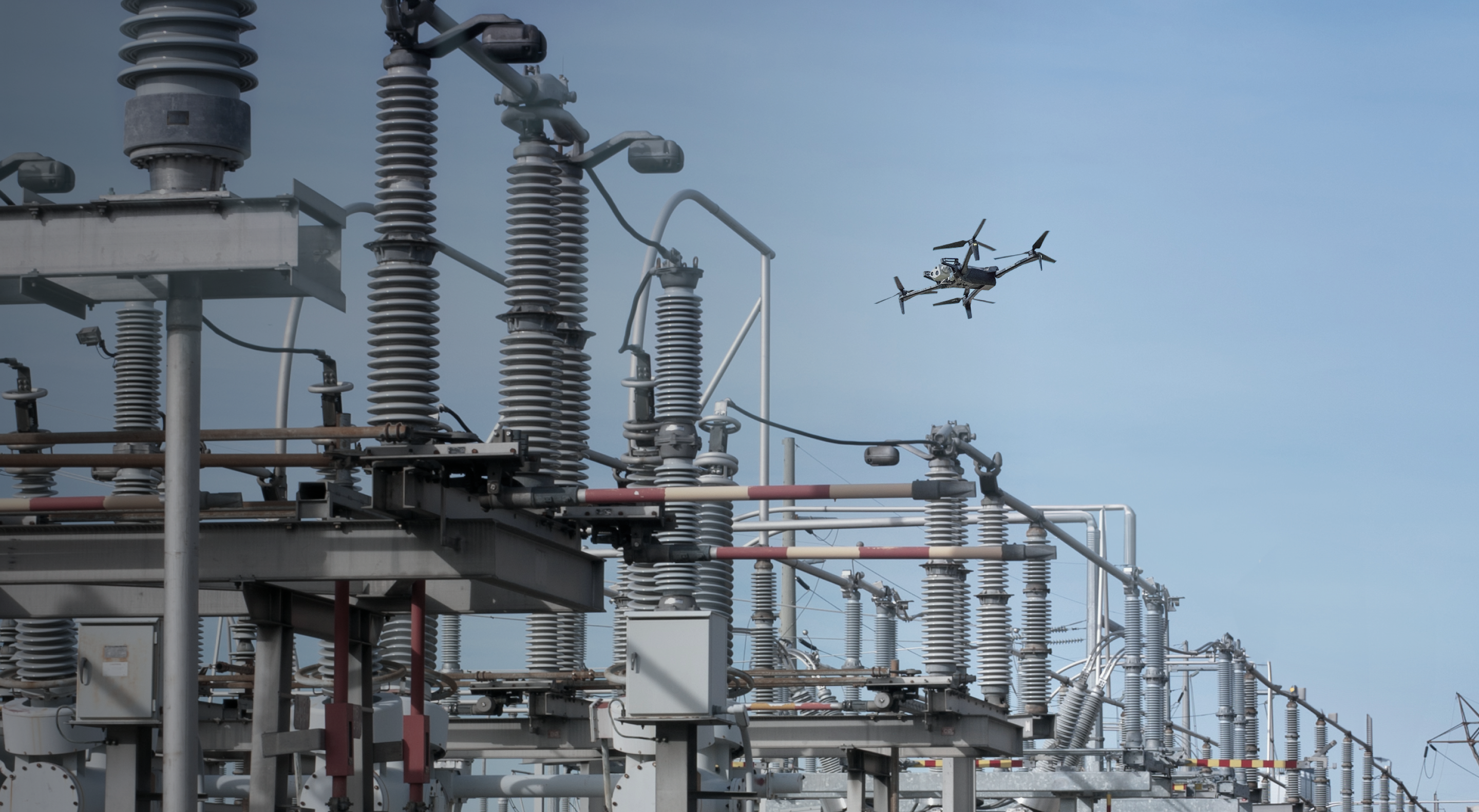
Bridges, towers, roofs, façades, and equipment. Verify that critical surfaces and angles are captured, spot gaps in minutes, and re-fly while still on location—improving consistency across maintenance cycles.
Construction progress & site mapping QA
Conditions change fast. A rapid on-device mesh or 2D map confirms full site geometry—from excavations to structure—so datasets are ready for photogrammetry, BIM, and reporting with fewer delays and less rework.
Solar farm mapping
Large arrays, repetitive geometry, tough lighting. Instant previews help validate every row and aisle, ensuring complete coverage for construction tracking, documentation, and maintenance planning.
Crash scene reconstruction
Incident commanders and investigators can confirm capture completeness before releasing the scene. An on-device 3D mesh preview flags gaps in angles and evidence-relevant features so teams can re-fly immediately if needed.
Summary: A smarter capture workflow
Skydio autonomy standardizes image collection through safe, repeatable, automated flight. Onboard Modeling extends that workflow with instant feedback so operators have:
- Assurance that the mission succeeded
- Awareness of any gaps in coverage
- The ability to make corrections immediately
The result is fewer re-flights, faster operations, and the confidence to deliver higher-quality datasets, every time.