
Predictable Precision Starts with Effective GSD
 Nikoleta Guetcheva
When accuracy has to be repeatable, GSD is the first target that sets everything else in motion.
Ground Sample Distance (GSD) has long been a foundational concept in aerial mapping. It describes the distance on the ground represented by a single pixel in an aerial image and is calculated from camera parameters and flight altitude. For years, it has been the primary way teams plan aerial mapping missions and estimate image resolution.
And it still matters.
But as drone mapping moves to repeatable, operational workflows, teams are encountering a familiar friction: the resolution they planned for isn’t always the resolution they end up with.
When GSD Meets Real-World Conditions
GSD is a geometric estimate. Under controlled conditions, it provides a reasonable approximation of resolution. In real-world operations, however, usable image detail is shaped by more than geometry alone. Factors such as:
- optical performance and diffraction
- sensor behavior and noise
- motion and vibration
- lighting and atmospheric conditions
- image processing pipelines
- surface angle and reflectivity
all influence what can actually be resolved in an image.
For mapping teams, this gap often shows up as:
- datasets that technically meet flight parameters but fall short in review
- conservative altitudes
- inefficiencies that compound as operations scale.
Effective GSD: What You Can Really See
Effective GSD extends the familiar GSD idea by anchoring it to real-world resolving performance. Instead of geometry alone, it reflects the smallest feature a camera system can reliably resolve under practical operating conditions, factoring optics, sensor behavior, motion, light, and processing.
In practice, Effective GSD helps bridge the gap between what flight plans assume and what imagery actually delivers.
It doesn’t replace traditional GSD, it adds context where it matters most: in real deployments.

What It Changes in Flight Planning
With a realistic view of resolving power, teams can:
- Choose parameters with confidence
- Fly higher without sacrificing usable detail
- Cover more area per mission
- Cut re-flights triggered by over-estimated resolution.
Those gains roll up to less time on site, lower cost, and more predictable outcomes.

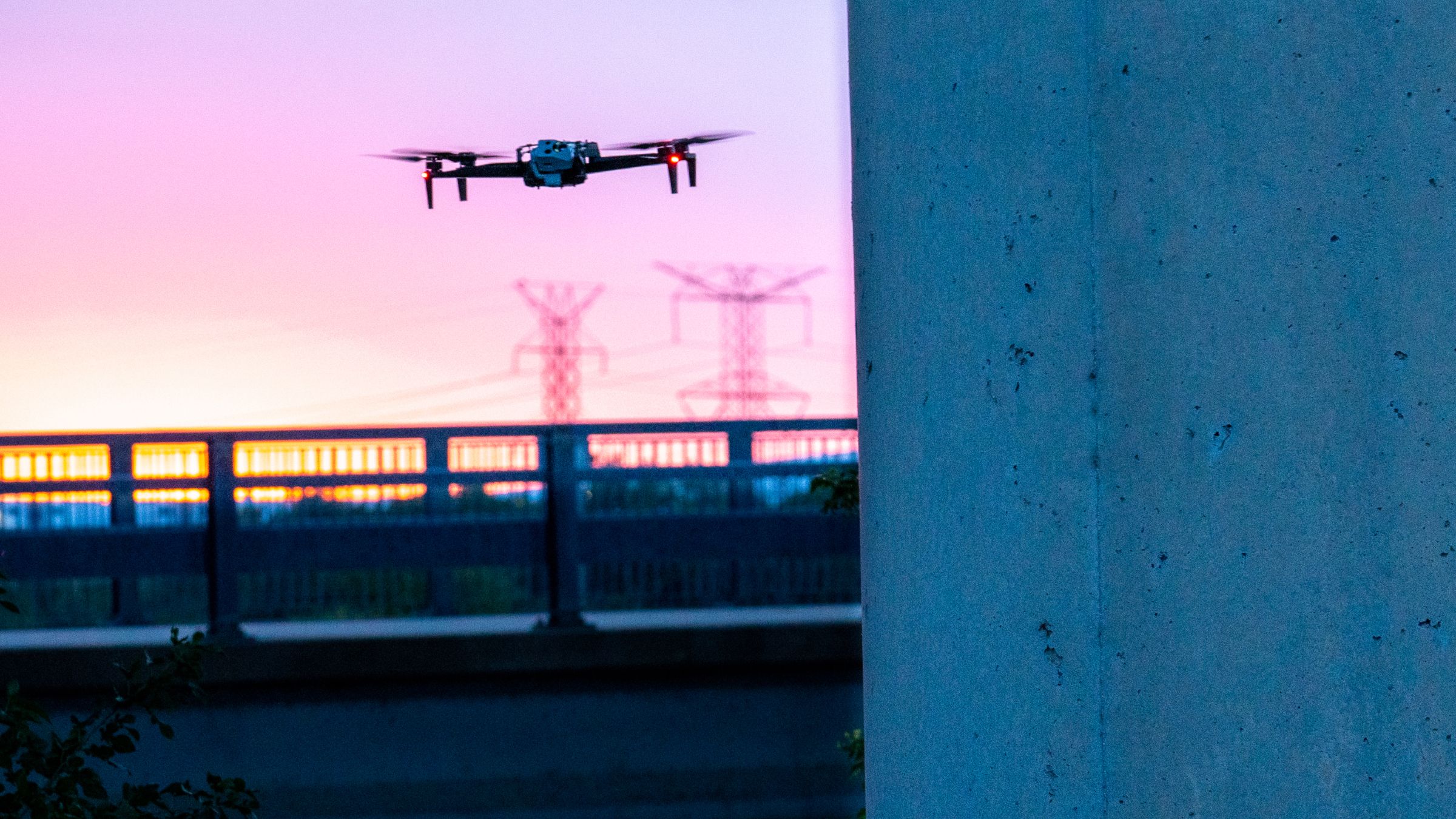
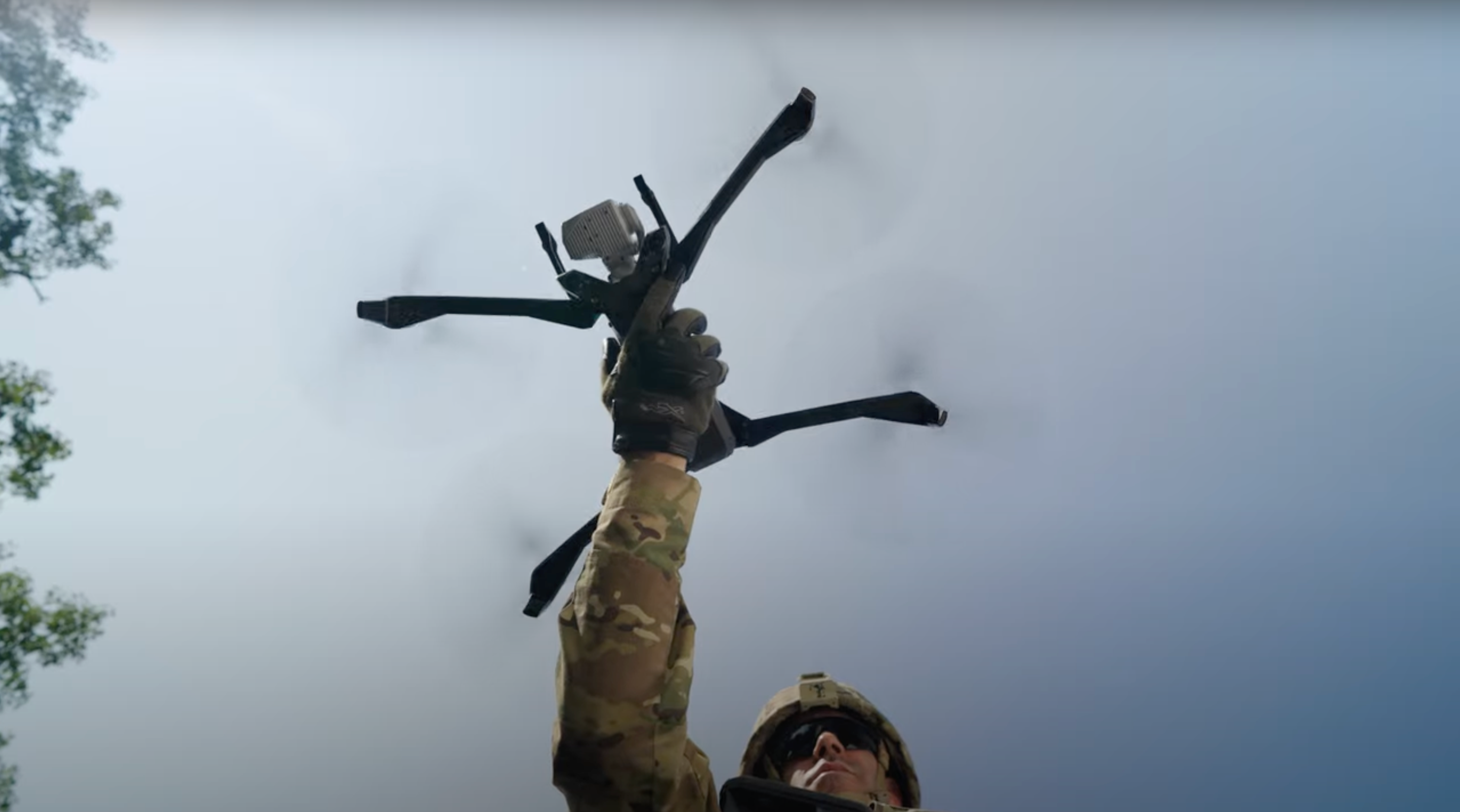
Quantifying Effective GSD on Skydio X10
To calculate the Effective GSD in mission planning, standardized method helps quantify the smallest detail a camera can reliably resolve using automated target analysis, reducing subjective interpretation and enabling consistent comparison across systems.
While all cameras experience real-world optical and environmental effects, tests have shown that Skydio X10’s higher native sensor resolution translates into greater effective resolving power when measured using Effective GSD.
In practical terms, this means that for a given resolution requirement, X10 can operate at higher flight altitudes while still resolving the required features. Higher altitude directly translates into more ground covered per image, fewer images per mission, and more efficient data capture — without compromising the usability of the resulting datasets.
The full methodology, measurements, and comparative results are documented in the technical white paper.
Why This Matters as Drone Mapping Scales
Reliable mapping isn’t defined by flight parameters alone. It’s defined by whether your teams can review, measure, and reuse the data with confidence. As programs become more frequent, more distributed, and increasingly automated, aligning resolution expectations with real-world performance removes friction, so missions plan more reliably, fly higher, and finish in fewer trips.
Read the white paper for the full methodology and the data behind Effective GSD.