OKC police and fire coordinate on shared drone response
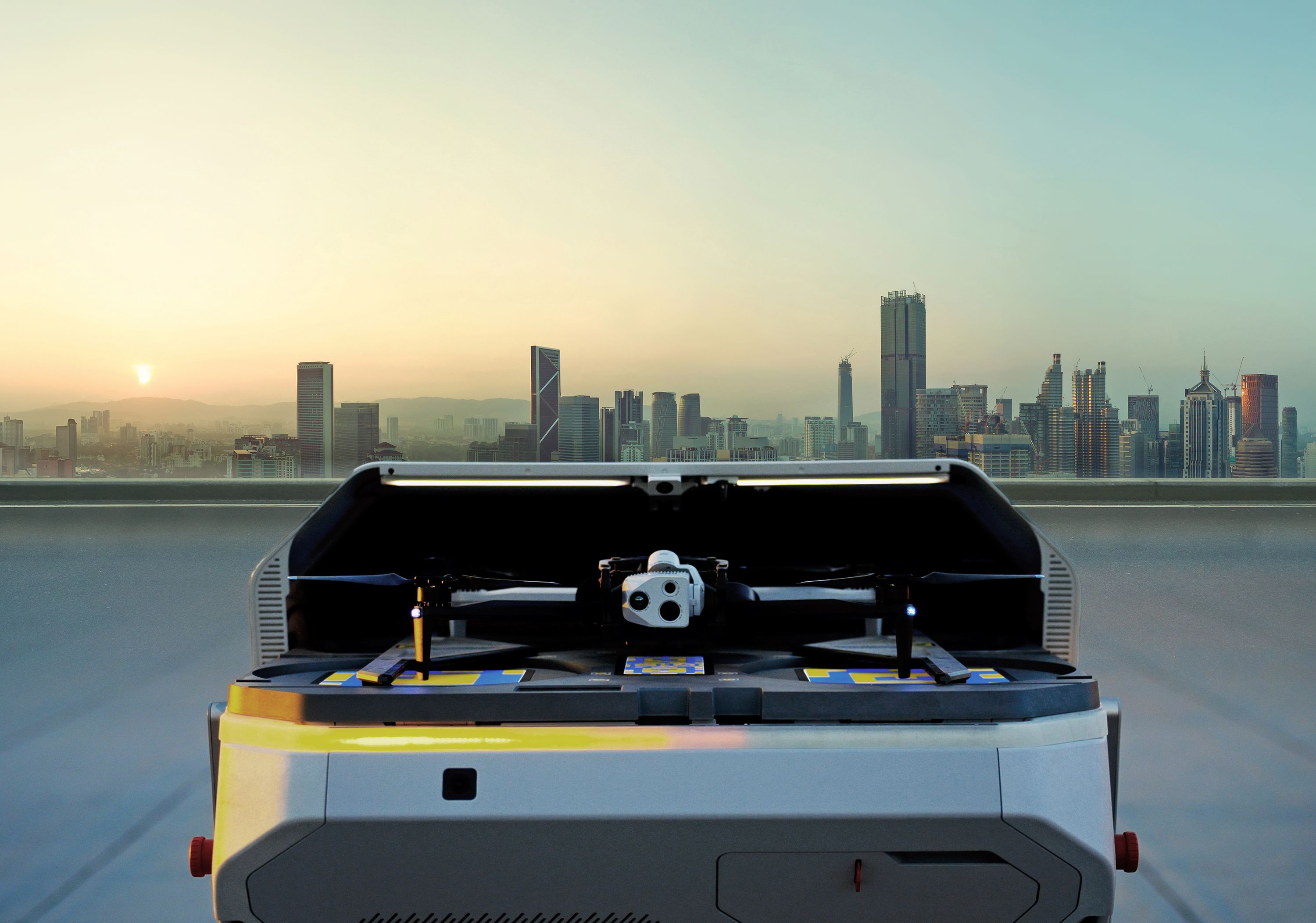
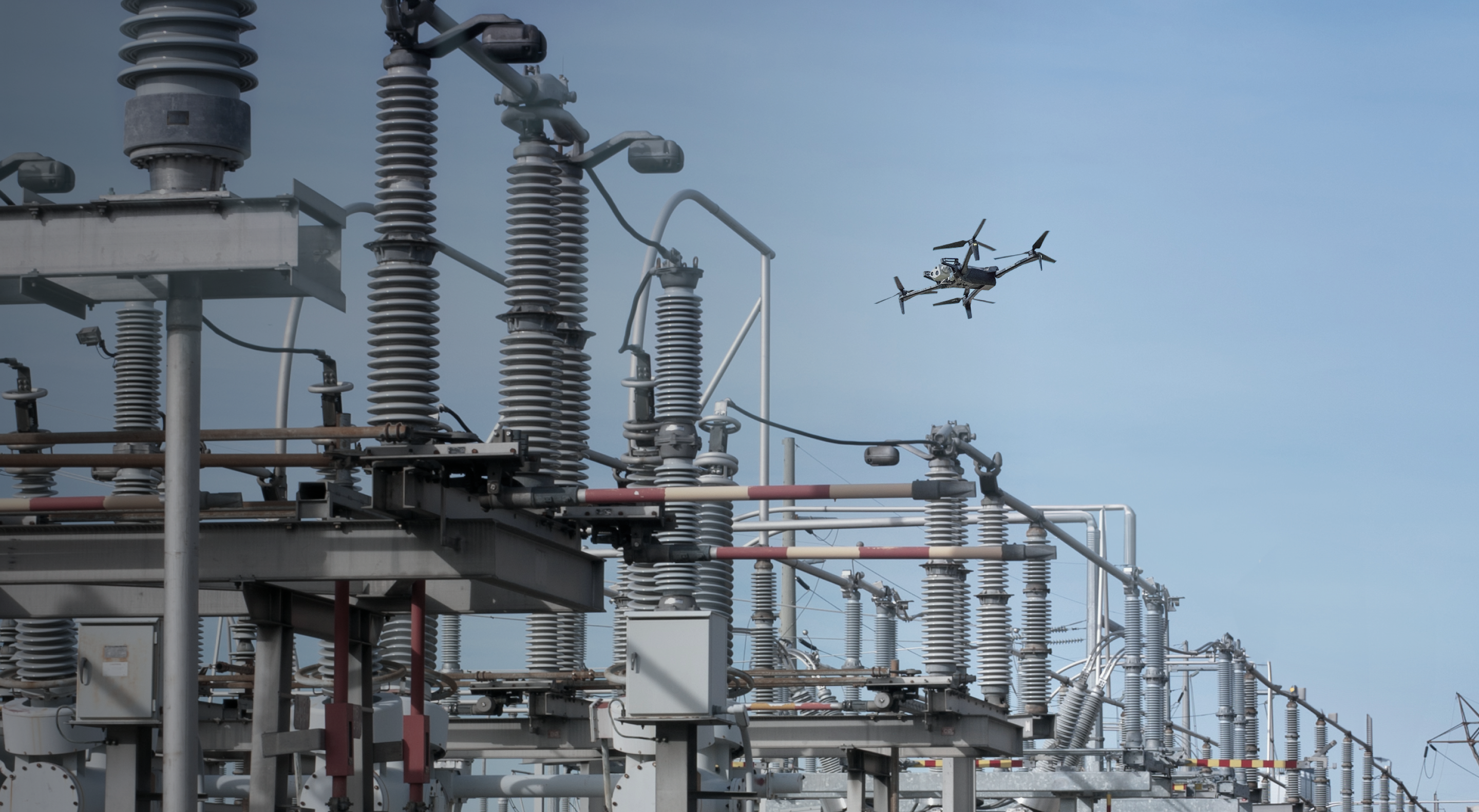
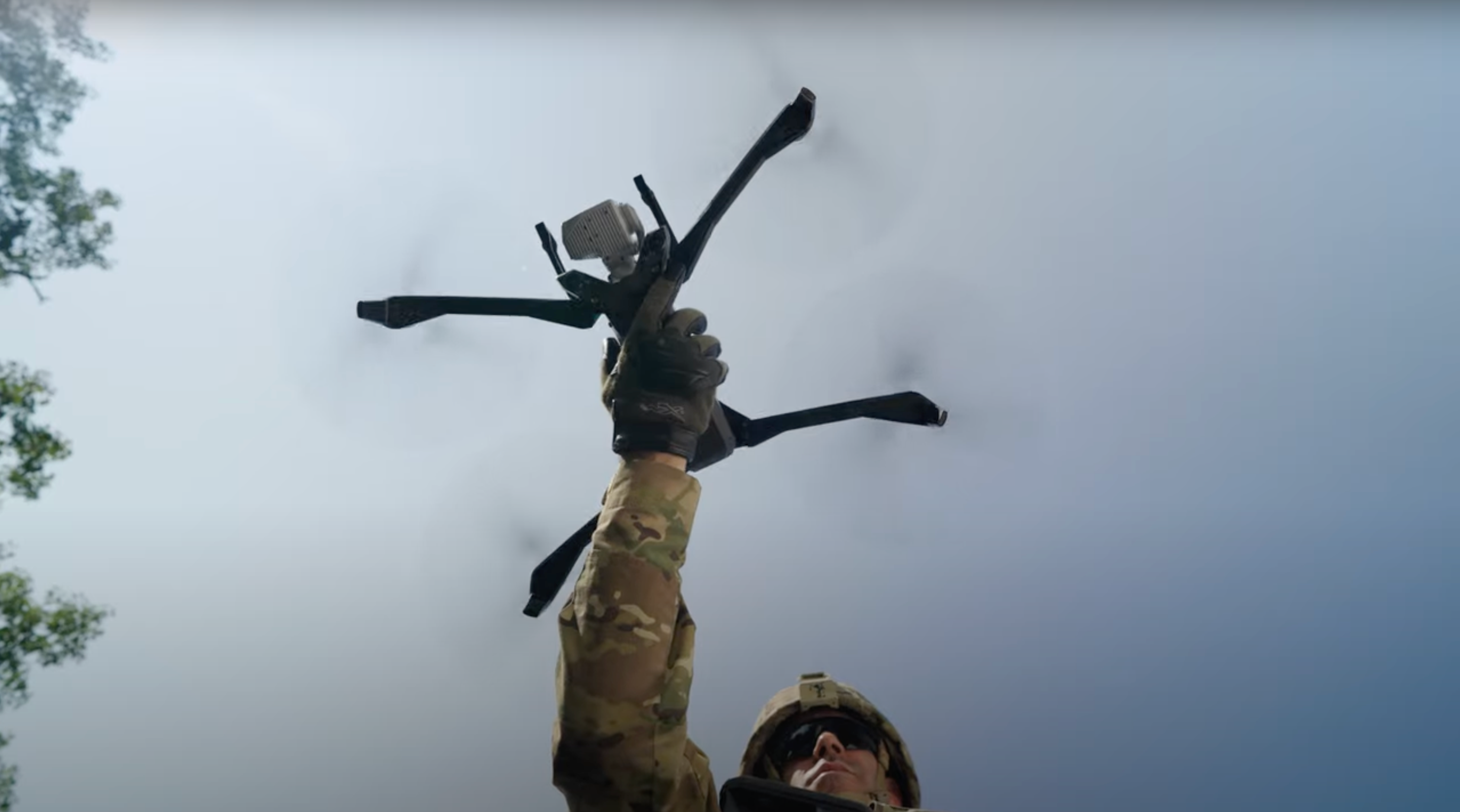
In Oklahoma City, police and fire departments run a single collaborative drone program, launching a drone within seconds of a 911 call so responders have eyes on the scene before they arrive. The drones, equipped with thermal cameras, can search large areas in seconds or minutes, work that used to take hours, and have already helped locate people in water rescues. Fire department dispatchers pilot their own drones, an approach officials say is almost unheard of nationally and has made the program one of the most widely adopted by responders in the country. With city council authorization for up to 50 docks, OKC is adding 10 new drone docks a year for the next five years.
- [sirens] In every emergency, dispatchers
- are the first to respond.
- Oklahoma City Fire Department.
- And in OKC, they're also the first to see it.
- This is probably one of the biggest advancements we've had.
- Instead of being first on scene with four wheels, in most cases it's four
- propellers. Seconds after the call comes in,
- the dock opens,
- the motors spin, [drone taking off] and the drone is airborne.
- I'm not a gamer either, but this is just easier for me to fly.
- Police and fire have eyes in the skies within seconds, taking their
- work to new heights.
- And having a drone in the air is done within about 30 seconds.
- We've found this being a collaborative model, we're actually responding to the
- same incidents.
- Oklahoma City Police and Fire, two departments,
- one goal.
- Whenever the 911 call comes in, we already have people en route, but
- with this, with this, uh, with this system,
- we're able to get fire department
- eyes on scene just that much faster.
- And unlike emergency vehicles, the drone doesn't deal with traffic.
- They, they're not hindered by streetlights, uh,
- traffic,
- weather conditions, anything of that nature.
- Um, so they're able to get eyes on the scene
- much faster.
- From structure fires to crashes, missing people and water
- rescues.
- The thermal camera, again, it's, it's the exact same one
- that we carry with us
- inside fires. Um, but from a search and rescue aspect, we can search
- large areas very, very quickly. Where it would've taken hours
- to search, we can search in seconds or minutes.
- It's already proven to be successful.
- We've used it successfully on several water rescues.
- Uh, uh, persons in the water, either in moving water or
- standing water, uh, that's been one of the use cases
- that we've, we've
- been very, very successful at, uh, making, uh,
- um, successful rescues.
- For police, their pilots work inside the department's
- real-time information
- center.
- It is exactly that. It is real-time information,
- uh, as we speak, and then they're able to, uh,
- relay that information to the officers in real time
- to, uh, recover lost and missing people,
- children, uh, return stolen property back to the
- victims, uh, much faster.
- And for fire, their pilots are the dispatchers already answering your
- 911 call.
- Fire department dispatchers being the pilots is, is almost unheard of.
- Uh, and that's what's really made our program
- just rise to the top in the nation.
- Being in dispatch, we're kind of closed off, you know,
- to the outside,
- and this has gave us eyes on it again, and it's made it a lot...
- For me personally, it's more enjoyable down here.
- On any fire scene, we do what's called a 360, uh, um,
- assessment. We go around the structure.
- Now we have a 36- 360, uh, view plus
- overwatch.
- From a privacy standpoint, the camera is looking straight ahead as it
- flies until it gets within a close proximity to the address,
- and then it'll start tilting down so you can start gaining your
- intelligence, uh, from the drone related to the call.
- With 10 new drone docks coming this week, officials say more neighborhoods will
- soon have a drone overhead before that first siren is heard.
- We took the initial, uh, proposal to city council, and they
- authorized up to 50 docks. Uh, but their only
- stipulation was do 10 a year over five years.
- It's been highly successful. The fire service doesn't take kindly to
- technology
- a lot of times, and this has been one of the programs
- that has been just widely
- accepted and, and, uh, um,
- bought into, uh, by the, by the responders because it is so useful
- on scene and pri- primarily for, uh, safety and
- situational awareness purposes.
- They say the tech isn't replacing first responders, just helping them do their
- jobs.
- What we're using these for is, is for response to both
- our s- our responders and also the people that are calling.
- It's there for them. It's a tool for them.
- Megan Mosley, [drone taking off] KOCO 5
- News.
Watch Time
4 Mins 5 Secs