Building a defensible DFR policy: Inside Minnetonka PD’s approach
March 31, 2026
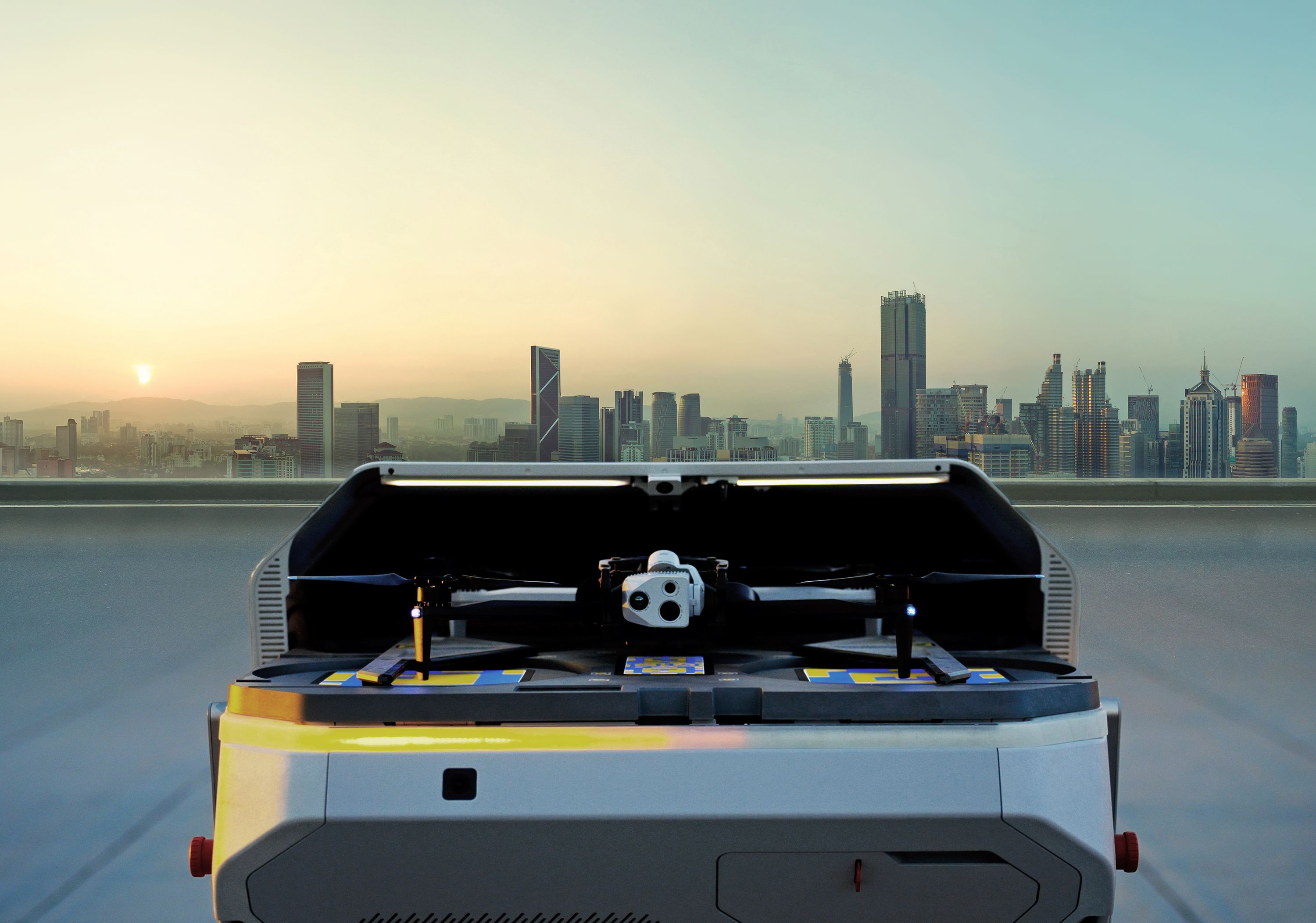
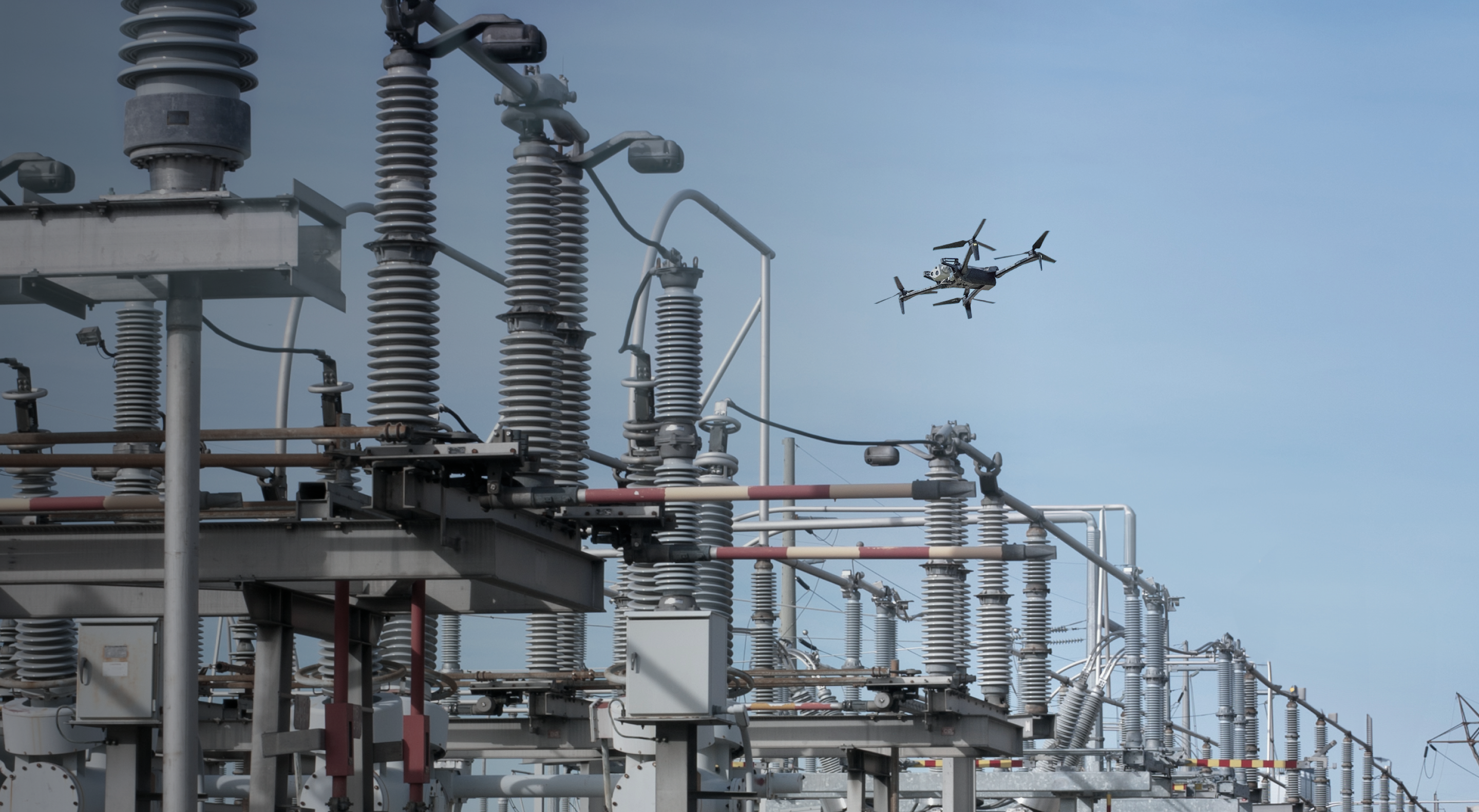
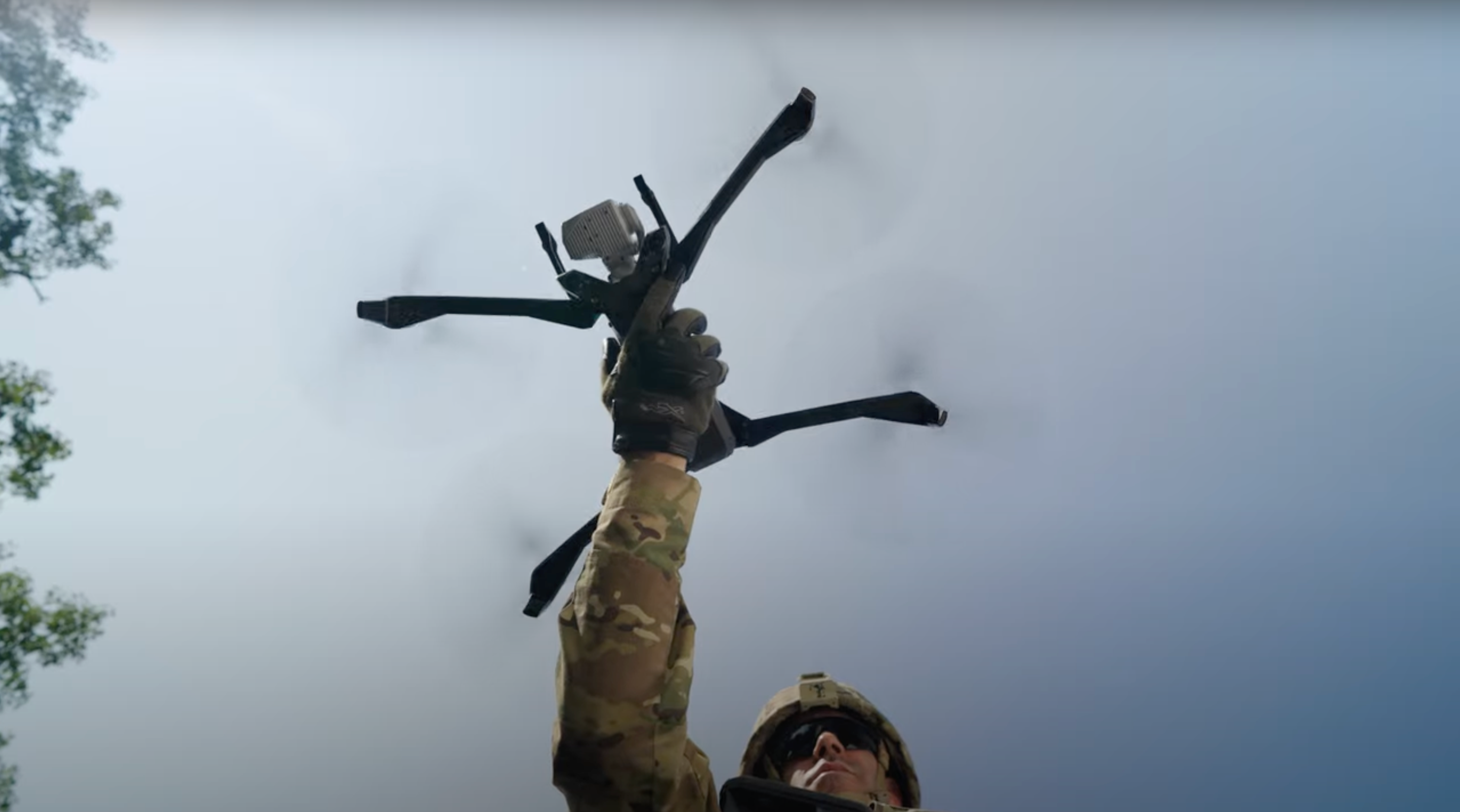
Many agencies struggle to finalize DFR policy because they treat it like a traditional drone program and secondary to patrol operations
Minnetonka Police Department approached DFR differently. From the beginning, they viewed DFR as a response capability, not a specialized tool. That meant building structured flight standards, formalized procedures, and clear legal defensibility for every mission.
In this session, Deputy Chief Jason Tait and Supervisor Garith Scherck will walk through how they structured, implemented, and operationalized their DFR policy to support daily flight operations under Minnesota state law.
Key takeaways:
- The structural difference between a specialized drone program and a fully operational response model
- What operational discipline looks like in a program that flies every day
- How to design reporting structures that ensure accountability and withstand public scrutiny
- The early decisions Minnetonka made that allowed them to scale with confidence
This webinar examines a working system used daily by an active DFR program. Attendees will leave with a clear framework for aligning policy, procedure, and documentation so DFR programs scale responsibly, transparently, and defensibly.
Hosted by Noreen Charlton, Public Safety Strategy at Skydio, the session will conclude with live audience Q&A.
- What I hear most concerning about DFR program is privacy.
- And that's why I think it's important to make this, you know, interactive and
- available
- to anybody on our website so people can look and see how we're utilizing not
- only drones
- but any technology that we have here.
- So when not over scene of one of those incidents, the camera is facing forward
- and is utilized
- only for the operation of the aircraft to ensure safety of the operators and
- everybody
- beneath the aircraft.
- Additionally, the aircraft is equipped with a parachute.
- So if there is unforeseen circumstances, a loss of connection or a failure of
- one of
- the engines, a parachute automatically deploys, that's an optional attachment
- that we believe
- is necessary to ensure the safety of those on the ground.
- I think it's exciting to be the first in the area.
- I know it's worked well in other parts of the country and I'm just really
- excited that
- we are the first and our officers get to learn and provide some new technology
- that
- other departments are going to then look at us to like, how are we doing it?
- Hi everyone, I appreciate you hanging out with us today as we discuss
- developing policy
- and SLP for DFR programs.
- My name is Noreen Charlton and I lead public safety strategy here at Skydio and
- I spend
- a lot of my time helping different public safety agencies stand up their DFR
- programs
- from shaping policy and operations to preparing your department and the
- community for rollout
- engaging with the media and the communities and then communicating effectively
- on how
- you plan on using these programs and more importantly, how you do not plan on
- using
- drones.
- And in a previous life, I spent more than a decade with the Las Vegas
- Metropolitan Police
- Department.
- Super excited today to be joined by two people who are both directly involved
- in both building
- and running the DFR program for Minnetonka PD.
- So I'll have you both introduce yourselves and then we'll jump into it.
- Sure, thanks for having us, Noreen, my name is Jason Tate, I'm the Deputy Chief
- Police
- at Minnetonka PD.
- I've been in law enforcement for 23 years and yeah, that's a little bit about
- me.
- My name is Gary Shirk, I am the supervisor of our Crime and Data Analysis unit
- here at
- the Minnetonka Police Department and that includes overseeing our day-to-day D
- FR operations
- from our real-time operations center.
- Great.
- All right, so we'll go ahead and jump into it.
- We're going to kind of establish where Minnetonka started and how they looked
- at adding a DFR
- program to the police department and what policies were super important to them
- because
- of statutes that were put in place by the state of Minnesota.
- But I really want to talk about, and this is, you guys are kind of an example
- used for
- a lot of other agencies, is talk about before you have this DFR launch.
- You did a lot of preparation and you spoke to a lot of people.
- So, can you guys talk a little bit about some kind of key groups that you felt
- you needed
- to engage early to make sure that your DFR program had a solid foundation?
- Yeah, absolutely.
- So, there's a number of different groups that we talked to.
- I think most importantly, starting with our local elected officials, a lot of
- prep work
- that went into before you go to counsel, just making sure they understand
- exactly what
- DFR is and what it is.
- And then, you know, as we were getting closer to preparing for this, we got a
- little bit
- of pushback from some different state agencies and some legislative groups just
- trying to
- navigate how does DFR fit into the state's law enforcement and law statute.
- So we engaged quite a bit with those different groups just to get a clear
- understanding of
- their interpretations of some of the language inside of the statute to make
- sure that everybody
- was comfortable in what we were trying to do here in Minnesota.
- Additionally, you know, some other things that we did that is really engaging
- our communities.
- So before we went live, the Skydio for the Skydio for all program came out to
- Minnetonka
- and participated in our 19 nights events and really showed the community what we
- were doing.
- And I think that was really beneficial too, just to make sure that we had a
- good – everybody
- involved in this from the community, state level, all different groups had an
- idea of
- what DFR is before we just threw it in their laps and announced that we were
- launching
- those.
- So I think that was really important.
- Yeah, I'd say, you know, you saw some of that in our intro video, so we had to
- deliver
- it, desire to control the narrative with accurate information in particular to
- what the aircraft
- are actually capable of doing.
- There's a lot of misinformation that can surround a mandarial systems.
- So we wanted to make sure from the forefront that we were presenting accurate,
- truthful
- information before, you know, the rumor mill to get going.
- Yeah.
- Oh, sorry, go ahead.
- To say, you know, we also engage with some of the groups that are kind of anti-
- technology
- too.
- You know, think about ACLU, there's some pretty strong data privacy advocates
- here in Minnesota.
- And they reached out to us and we opened our doors to them and really welcomed
- them in
- to ask the tough questions so that we could provide them with accurate
- information and
- really make sure that they were comfortable with everything we were doing as
- well.
- Yeah, like I said, I use you as an example to a lot of agencies because I think
- you did
- a lot of things very well leading up to the launch of your program.
- You guys had a dedicated webpage that was put together and ready to launch on
- that day
- that you announced the program.
- On that webpage, you have a community FAQ.
- So anybody can go there and kind of look at the most common questions and get
- answers
- before they really have to reach out.
- And then, you know, we showed a snippet of the DFR video, but I think it's
- really helpful
- to the community to see what this looks like in your day-to-day operations.
- And then I know you were gracious enough to invite some of the Skydio crew out
- for your
- media event, but you had a press conference.
- You invited in elected.
- So really important to kind of illustrate how you had community buy-in on many
- different
- levels.
- This wasn't just the police department saying we're doing a program, but you
- brought in
- elected to say like, yes, we absolutely support this.
- And then you did a live demonstration.
- And you just talk a little bit about the importance of bringing the media in or
- any of these other
- organizations, especially those who may not have been supportive about it
- before they met
- with you in person, to really kind of show them the impact that it could be
- having.
- Yeah, again, like Harris stated, it's really about controlling the narrative,
- right?
- So making sure that we're telling our story before someone has an opportunity
- to tell
- the story for us, I think was really kind of what guided us through that.
- And, you know, Garrett can talk a little bit about the demonstration and why we
- chose
- doing this.
- Yeah, I think, you know, a couple of notes, it's all about being proactive,
- right?
- Because if you're not proactive before you even start executing missions and
- flights,
- there's going to be that gap, that space where the media members of the
- community, they'll
- ask legitimate questions, but what's better than already answering the
- questions before
- they can be asked, right?
- So that goes a long way.
- As far as in particular to the demonstration, you know, choosing a
- demonstration like a
- search and rescue type scenario, I think, was wise.
- As much as I, like many of you on the webinar, probably enjoy using these
- aircrafts to capture
- criminals in action and seeing the arrest and seeing our officers do that hard
- and good
- work.
- Sometimes it goes a long way to show some of the more subtle uses of DFR, and
- this instance
- finding a lost person that needed help.
- I think that's where you start building community trust, where they see it as a
- tool that can
- impact daily lives, not just, you know, the apprehension of criminals.
- We involved our fire department in that demonstration as well, just to kind of
- show more of how
- it's not just a police tool that it has other uses as well.
- Yeah, that's excellent, and that kind of leads me into our next slide here,
- which is specifically
- about metrics.
- So what we encourage agencies to do as part of your engagement with the media
- and with
- your community, goes kind of beyond saying, you know, with the DFR program, we
- will see
- X percent of increase in apprehensions or whatever the case might be.
- And then coming back and saying, like, no, no, no, if we can prove it,
- everything that
- we said we would do with this program, we are doing it, and you've done that
- very well.
- I think you guys are six-ish months or so out.
- You invited the media back in, and you provided them with some of these metrics
- .
- And these are the outcomes that you had, and it's really kind of the result of
- a DFR program
- that has a very clear structure and very clear objectives.
- A lot of agencies position their DFR programs with these specific metrics,
- right?
- And they're kind of, there's a little bit of a guessing game at first, right?
- We're using kind of industry standards, and maybe it's, you know, we want to
- clear X percent
- of low-priority calls with the drone to eliminate those calls that are in the
- queue
- for patrol response.
- So when you were developing your DFR program, which metrics kind of mattered
- most to Minnetonka
- to get that early buy-in?
- Yeah, I think, you know, it's great, we can clear calls out, but it's all about
- just improving
- overall department efficiencies.
- And that was really kind of our goal, the kind of message we were trying to
- sell this.
- We were in a unique position where we had just done a public safety master plan
- , and there
- were several recommendations that came out of that, and some of that was
- types of staffing.
- So again, proving that maybe there's a more efficient way to accomplish the
- same goals
- that we were going to try to accomplish with bodies through different
- technologies.
- And that's where really kind of efficiency became our message is, we can
- accomplish a
- lot of the recommendations that were in our public safety study through using
- this technology.
- And I think speed, speed is a big one, right?
- So quality of service and the ability to get that service there quicker, and
- that of course
- looks different when you're, you know, 200 feet above the ground, perhaps un
- noticeable
- to those I call 911, but when you communicate that to those decision makers and
- stakeholders
- in the community, it's really remarkable that you can say, hey, you call 911 45
- seconds
- later, we're going to have eyes on this incident, and there's so much more
- value in that than
- perhaps, you know, witnesses attempting to get information to 911 call takers.
- So getting the drones there quickly was something we really wanted a message to
- all the individuals
- involved that this is going to give our officers an extra edge tactically, an
- ability to deescalate,
- which is so important in the current climate, and then also critical
- information that will
- actually bring the right people at the right time to those in need.
- Yeah, I think you, your police department is a perfect example, like we hear a
- lot of
- the time, you know, we aren't a huge agency, we're not one of the majors, we're
- not a
- major metro, we're not NYPD, DFR isn't for us, and you guys really prove that
- wrong because
- not only were you able to implement, you know, this this program that you're
- using really
- well and effectively, but just looking at these metrics, you know, being able
- to clear
- calls with the drone, being able to provide that intel to ground units.
- How has this changed operations for your patrol officers on the ground?
- Is this something now that they're kind of expecting on all of their calls that
- they
- respond to?
- Yeah, I would, I would say kind of two-fold, so you're correct, we're not a
- huge agency,
- a standard across the United States, we're mid-sized, which most law
- enforcement agencies
- are, we have about 42,000 calls for service, so when we're talking about
- metrics, you see
- all those metrics are primarily from two operators, and, you know, when we
- start buying those,
- I get a number of calls, or if I'm not at my desk at that exact moment,
- officers looking
- for that drone, right?
- So operationally, they've become vital to our responses, and, you know, the
- Deputy Chief
- could probably talk about culturally and some of the patrol actions as well.
- Yeah, I think it has been a big paradigm shift in our department, and how we're
- approaching
- our response to calls, you know.
- I think you notice it most when, you know, we're not 24/7 with DFR, we're still
- working
- through some staffing, but I think you notice it most when DFR is not present,
- just how
- different it feels when we're not operating with DFR, because some staffing
- constraints,
- that's when you see it the most, in my opinion, because it really has changed
- how we approach
- our response.
- Yeah, thanks.
- I'm sure that's super helpful to most of the attendees here today.
- But really, we're here to talk about your policies.
- You know, I think there are a lot of agencies out there who feel like a DFR
- program is a
- heavy lift, how do you write these in a way that, you know, protects your
- program, but
- also protects, you know, all of the citizens of your community, and from all of
- the work
- that I've done with agencies across the country, there are three very specific
- questions that
- are asked all of the time.
- We do a lot of media interviews, the media asks me these questions all of the
- time.
- There certainly could be more, but for sure, of these three, why do you need
- DFR?
- How do you intend on using it, and how would you prevent misuse?
- And you guys spoke a lot about kind of making sure that you own the narrative,
- and my message
- here to anybody out there today is that if you do not answer these questions
- first, someone
- else will definitely do it for you, and it might be the media, it might be a
- HOA group, but someone will notice the program, they will start to make
- comments about how
- they believe you're using it, so it's very important for you to, you know,
- answer these
- questions before someone else does, and you need a lot of internal alignment on
- these
- questions, right?
- There will be differences of opinions and how you should use your program, and
- this
- does tend to be where some agencies get stuck in the process, so which of these
- questions
- for you guys kind of required the most internal discussion, or did you feel
- like from the
- jump you were all pretty well aligned on what you thought this DFR program
- could do for
- your department?
- Well, for me, I think we both have made some different perspectives on that,
- you know,
- from the administrative perspective, I think it's just the why, so for me, I'm
- looking
- at this through a lens of, you know, we already had a dfr program,
- that was governed
- by policy, and we're a lexical customer, and I'm sure others have seen the
- Lexiical standard
- in the UAS policy, and when you look through that, it's not really intended for
- a DFR program
- in my opinion, you know, I talk a lot about when you add a DFR program, you're
- really
- almost adding aviation section to your police departments, and it's very
- different from
- a patrol-led-role response, so for me, the why is just recognizing that
- difference
- and saying, "We need something more in here," and also, I think there's a
- little internal
- pressure on being, you know, one of the first in the state to do this, that we
- want to set
- the stage for others, and I don't want to be the agency that messes it up for
- everybody
- else, so I'm making sure that there's really strong procedures in place to
- ensure we're
- running a really safe program.
- And you do have to have that stratification that Jason was mentioning, right?
- So from his perspective as a command staff, the strategic level alignment to
- how this fits
- into the whole department's capability, you know, from my perspective as one of
- the main
- operators in the individual in charge of the daily operations, how are we going
- to
- use it, like your number two point there, and how will we prevent misuse?
- So you know, coming from a military background with the safety mindset of any
- aviation operations,
- the SOP that Jason was mentioning is incredibly important because that prevents
- deviation
- in that misuse, so really focusing on identifying in those documents a policy
- perspective supported
- by the administration, and then the standard operation, operating procedures
- where everyone's
- on the same page.
- And within that, critically, when those documents are under inspection, right,
- and review from
- all these different groups that we talked about, forefront addressing in the
- forefront
- the data retention, the privacy concerns, and safety.
- So making sure those were specifically called out front and center on those
- documents, because
- like you said, Noreen, those are the top three things, we don't answer those
- right away.
- We're inevitably going to have some confusion there.
- Yeah, I think there are a lot of misconceptions with how law enforcement public
- safety agencies
- are using drone programs, especially as now we are shifting to DFR, and they
- are more
- readily available for more calls for service, and so tackling these upfront
- will definitely
- help you in the long term with your programs.
- But I think what is super unique about you in general for the state of
- Minnesota and, you
- know, attending conferences and events for the last several years before you
- stood up
- your program, I heard many times from a lot of different states, not just
- Minnesota, but
- there was this perception problem where people said, "No, we actually can't
- have a DFR program
- in our state, the law prevents us from having one."
- And it truly is just, you know, it's not a legal problem per se, it's just a
- perception
- problem on kind of the interpretation of that.
- And there was a real belief by many agencies outside of Minnetonka that they
- didn't think
- they could do a DFR program and you did it first, and you've done it well, so
- can you
- talk a little bit about what you think made agencies believe that DFR wouldn't
- work in
- your state?
- Yeah, I think it goes back to, we talked a lot earlier, some of that early
- engagement
- with some of those different stakeholders to really understand the words and
- how they're
- interpreted inside of this statute was really important, and really making sure
- everyone
- had a clear, agreed upon understanding of what exactly the language and the
- statute is
- is really important.
- And, you know, I'm not going to lie, I've never said this before, that when we
- were installing
- the docks on the ropes of these buildings, I was having a little bit of a
- concern like,
- "Is this actually going to work the way we think it is?"
- And I think we've shown that it is possible and really been very careful about
- how we're
- using these drones and very deliberate about how we're documenting their views
- to make
- sure that there's no questions about how it fits within the state statute.
- Yeah, that's incredibly important piece is the documentation, right?
- Making sure that we are accounting for every single one of our flights.
- So this is not a, you know, choose your own adventure.
- This is following along with those requirements of our state statute, which is
- somewhat unique
- to our country with defining the legitimate purposes.
- So we have to make sure our flights fit into the authorized uses in the state
- of Minnesota,
- those include 11 reasons, and then the 12th reason would be with the judicial
- warrant.
- So we're making sure every day that we keep those on top of mind.
- And as we examine our mission, we're going to fly to support a incident, making
- sure they
- need that criteria.
- Yeah, I think there's two key things here that stand out for me and the work
- that you've
- done.
- Reaching out to the people who A, created these laws and having these
- conversations and understanding
- very specifically what they intended when they wrote these versus kind of just
- trying
- to interpret what you thought they meant was super foundational for your
- program.
- And I did want to point out, I've listed it here, but you know, there were
- strict retention
- requirements and limited authorized uses.
- And so those were all things that in your conversations, you were able then to
- build
- into your specific policy to make sure that you were aligned at the state level
- .
- And our next slide kind of goes into what you touched on here briefly, but it's
- the,
- you know, not that the law prevented DFR, but it did force discipline for your
- program
- and for other programs like yours.
- And so you turned kind of this very specific statute into something that is
- operational.
- So you had mentioned the 12 categories, I would love to talk through kind of
- what that looks
- like for you in a post flight report.
- And for those of you who aren't familiar, when you complete a DFR flight in
- Skyio DFR
- Command, which is our software for DFR operations, at the very end of your
- mission, you will
- be presented with a post flight report.
- You guys did some customization to that.
- So I'd love to talk through why you did that and how that ties back to the
- statute that's
- in place and also aligns specifically with your policy.
- Yeah, certainly.
- So you have a screenshot there of our post flight report and what we
- specifically did
- was customize that to include those statutory reasons, almost verbatim, except,
- you know,
- the character limit on a couple, although we had a Gitcrafty.
- But what we're doing there is attempting to get all of that data in the one
- system because
- in our state, we are required to do annual report to the Bureau of Criminal App
- rehension,
- which is the state level law enforcement investigative arm.
- And then that gets published to the public.
- So what we wanted to do is capture that data point directly in there.
- So when that annual reporting comes back, there's no issues of grabbing
- different parts
- of data from different systems.
- Many on the call are likely aware of issues with data holes from various law
- enforcement
- systems talking to each other.
- So the ability to customize the post flight report allowed for a very quick
- cataloging
- of that and an easy export of that as well.
- And that just connects back to everything we're talking about, which is we need
- to have
- a linear approach to being able to trace all of these flights to their origin,
- right?
- And for us, the majority of that is a dispatch call for service through 911 or
- an officer-generated
- call.
- So we don't want to have to go scramble for that data.
- And that post flight report setup allows us to get to that quickly.
- Additionally, you know, that's all included on the transparency portal, too.
- So the BCA reason to call it is on our transparency portal, too, for anyone to
- consume outside
- of the audit as well.
- So just being as transparent as possible with all of this.
- Yeah, I think I haven't seen too many people do the amount of customization
- that you guys
- have done with the post flight report.
- But I love that because A, it proves that you can do it, although I'll take the
- character
- limits back to the product, Dave, and see what I can do there.
- But it, you know, it's just other agencies.
- If you have, you know, very strict laws in place where you feel like you need
- to over
- document things to make sure that you are checking all of the boxes of that
- statute.
- And for you guys, you were able to do this in the post flight report.
- And I think you said that 11 of the categories are tied to real time response.
- Is that correct?
- Yeah, so I think that this just gives you another option.
- You also mentioned the transparency dashboard.
- Every flight that you conduct in a studio system, you can push to a
- transparency dashboard.
- Of course, it's an ongoing investigation.
- You can, you know, hold off and publish that at a later time.
- You can also choose what you publish and how much you publish for each flight.
- But what you have done is kind of made it easier on your end with this report
- to push
- a lot of that information back to the reporting agencies.
- And there's, there's a clear shift.
- And I think you guys already mentioned this before, but you had a drone program
- .
- Most agencies have started with, you know, maybe it's just a drone on a shelf.
- You're taking it out for crash and crime scene documentation, or, you know,
- maybe you're
- pulling it out for a call that, you know, happened 30, 40 minutes ago and you
- 're getting
- the drone in the air to try to find someone.
- But there's a very clear shift from a drone program to the operational model of
- a drone
- as first responder program.
- So at what point did you guys realize that this needed to be structured as a
- full response
- system and not whatever policy you had in place for the drone program that you
- used to
- have?
- I think it's looking at it holistically, you know, everything we were going to
- be doing
- that, you know, the think about our patrol and then drone program is going to a
- fraction
- of the calls we just shared with how many DFR is going.
- So just understanding that there's going to be exponentially more flights of a
- drone
- in our city, I think is really kind of what stood out to me and that this is
- different.
- Like we need to make sure we're doing something different than what we were
- doing before when
- we were approaching this.
- And you look at the modeling, you know, that's provided, right, we can look at
- our call
- load, what we could fit under that statute and it became readily apparent that
- if we
- don't have a framework, you know, at the beginning of this, every time we do
- these things it's
- going to be different and that's where you can get in trouble, right,
- internally and externally
- when you're not properly prepared for the onslaught of flights, you know, in
- our state
- of being the first with DFR even just the last part of 2025, we had the second
- highest
- flights in the whole state of Minnesota besides the state patrol who does crash
- reconstruction.
- So we knew that, you know, this was going to be a big deal in my preparing that
- framework
- ahead of time.
- We're not scrambling every time to repeat, right, let's just come to a
- conclusion ahead
- of time of how we're going to do this and then execute each time uniformly.
- Yeah, and I think that one thing that's really important to point out about
- your program
- and I'd love for you to walk through this a little bit is all of your flights
- are tied
- to a CAD event.
- So can you talk about how not only your time used into CAD for specific call
- for service
- that were generated but also for your training flights?
- Yeah, so that's a really good point we talked about bringing in a number of
- different entities
- and people from the public but not to forget dispatch.
- So in order to create a understandable system for our countywide dispatch
- center, we actually
- worked with it to create a call sign specific to the drone operator, the remote
- drone operator.
- So for us, that's our agency call sign which is 62 and then DFR-1 and what that
- allowed
- was a common understanding that when a CAD incident was generated in 62 DFR-1
- or too attached
- to that call, they knew that capability was present.
- So now you're treating the drone as a response capability, not just an officer
- with the device
- and that helps with data after the fact, it also helps with real-time awareness
- from
- everybody in our dispatching system to know that a remotely piloted aircraft is
- in the
- area supporting and then when you have public records requests, you can quickly
- tell, okay,
- 62 DFR-1 is attached, now I need to examine if there's footage available or
- what that
- aircraft did and so it does that full life cycle of accountability and also
- efficiency
- to respond to requests or know what was actually, you know, happened.
- Yeah, and also, this goes back to engaging with some of the data practices,
- advocates
- that were very concerned about what we were doing, we had invited the manager
- over to
- end through some of those conversations, they talked about, well, we reviewed
- the annual
- audit that the PCA produces and then we cross-referenced that with agency
- records and we're seeing
- a discrepancy in what they're reporting to the PCA versus what they have
- internally.
- So we're trying to close that loop by having a documented record through CAD
- with an incident
- number of every single flight, so that way we're closing the door on the
- possibility
- for someone to say, your drone goes up in the air, you've been recording
- anywhere, what
- were you doing, I'm sure you were doing something wrong, so really making sure
- that
- every single flight is categorized in the same manner so that closes that down
- pretty easily.
- And that connects back to your point of view about training flights, we do that
- even for
- training flights, so we are pulling a call for service in our system, generally
- information
- only and we're recording what training flights we did and why, right, if it was
- new equipment.
- It doesn't take much, it's not hard, right, it's just an extra 10 to 15 seconds
- of action
- on the operator's part, but that way, two months down the line, you're not
- spending
- four hours looking for a record of what happened that day, you're able to look
- in Skydeos Portal
- compared to the CAD database and you have your answer for that member of the
- public or other agency.
- Yeah, and I think we talked about this briefly when we were prepping for this
- webinar, but I
- specifically ask you, are you seeing an uptick in FOIA request for drone
- footage or flights or,
- you know, information on what you're doing with them and you very clearly said
- like we're being
- so transparent, the information's out there that you're not actually seeing
- those, correct?
- We haven't had a single one in six months, I'm not going to look here.
- That is something that has shocked me as well, I figured that there would be
- way more traction
- on this, but I think it just speaks to all of this, just putting it out there,
- you know,
- we have nothing to hide with what we're doing here, so it might as well put it
- out and help alleviate
- some of that for us. And if you're prepared, you're professional, you're safe,
- individuals who want to find a fault might go somewhere else, right? If you've
- established
- yourself into a credible program, the story is elsewhere and we're quite fine
- with that.
- Yeah, I couldn't agree more. There are strict data retention pieces of the
- statue in Minnesota,
- so this has been kind of one of the biggest constraints and I know we've heard
- it in some
- other states as well, but you kind of really designed your operations around it
- and you
- made some alterations to it so that it's actually kind of you're not saving it
- as long as the
- state requested you to. So who owns kind of the retention decisions during a
- flight and how
- did you write that into your policies as well? Yes, so the individual operator
- at the conclusion
- of the flight, of course, safely lands aircraft automatically uploads to axon
- evidence.com for us,
- obviously there's a lot of evidence management systems and that operator within
- about 24 hours
- of their flight needs to go in there and code that evidence. So in evidence.com
- , many other systems,
- you can do this. What we did was we actually created another category for that
- drone footage,
- so you can quickly categorize it as a miscellaneous drone is what we call it,
- and then that starts
- that three day timer to delete. So the only things we're really retaining under
- state law are
- evidentiary video clips or, you know, use of force on arrest, right? So those
- three things,
- crime and action, use of course arrest, which all kind of go along with each
- other. Everything else
- in our state, we can't keep its private non-public data. We can't keep it for
- seven days and, you know,
- speaking with Jason, we said, well, why do we even need it for seven days,
- right? That's a legitimate
- community concern. Why do we need it for seven days? We agreed with that and we
- said, give us three
- days. That way if something happens over the weekend, we don't know we caught,
- you know, an
- evidentiary clip. We at least have time to go save that clip before it's purged
- .
- Yeah, and I think you mentioned tagging stuff in evidence.com, which kind of
- makes it a little
- bit easier on the back end to ensure that you're compliant with these timelines
- that you've set
- in place. For those of you who aren't familiar, we have a strategic partnership
- with Axon, so that's
- just a plug-in straight into our system when you've completed a flight that
- will offload into your
- evidence account. And so you can tag it appropriately as you would any other
- body worn camera footage
- or anything else similar. I think transparency here is kind of a huge piece of
- your story.
- Obviously, I think we've talked about it a little bit on every single point
- that we've spoken about
- thus far, but you really do this well. We will be dropping a link to your
- webpage in the chat,
- if it's not already there, as well as a link to your policy. But transparency
- for Minnetonka
- definitely was not reactive. It was very intentionally and thoughtfully built
- into your DFR program,
- and you have made your operations visible by design. It's all right there for
- everybody to see.
- What role did the public transparency dashboard play in building trust with
- your community?
- Well, I can speak to a number of a couple of different instances that we've had
- where people
- have called in and say, "Why is your freeze drum flying over my house? Why are
- you looking in my
- backyard?" And either direct them here or go yourself and look and say, "Well,
- at that particular
- date and time, this is where we were flying." It was not over your house, so it
- was not a fleece
- drill. So it helps with that a lot just to kind of dispel a lot of different
- reports that we get.
- And again, it's being steering the narrative. Put this out there for
- consumption right away
- so that people have a place to go and can answer their own questions and tell
- our story before
- then someone tells it for us. Yeah, even outside of that map, we take diligent
- steps to engage
- community in a number of spots. So transparency is not just when we were
- launching. It's a continual
- act that builds trust. So the drones always add our community open house events
- . It's always at
- our summer fest. And we have signs that say, "Hey, we're using a fleece drone
- right now."
- So that way there's no questions or concerns about what aircraft's overhead.
- We do a number of community events. Our drone operators from patrol have gone
- to the school
- district. We go to our school district's aviation class every semester to show
- the aircraft.
- And the more you get that buy-in, the less questions pop up. And then also the
- more
- support you have. So that way when you want to expand your program or the
- contract price goes up,
- people are familiar at least with what you're talking about. Yeah, you guys do
- a lot with the
- community. And we see agencies doing a lot of staffing, all the touch of truck
- events and the
- community outings and the barbecues and the coffee with the cop, like bring
- your drones, right?
- Drones and dogs. That's what everyone wants to see these days. And the kids are
- super excited
- about the drones, you know, these flying robots that are being used in careers
- that maybe they
- didn't consider. And then you bring out the, you know, the Xbox controller and
- they realize it's
- just like a video game. And so it just really kind of builds some bridges
- between the community
- and law enforcement for sure. And you guys mentioned the scutio for all program
- .
- Mira, if you don't know Mira with scutio, she is wonderful and she leads our sc
- utio for all
- program. And she will come to your community, to your agency and help you put
- together a program
- where you can kind of bring out the drones and invite kids in and teach them
- more about what
- you do with the drones, teach the community about what you don't plan on doing,
- and just show them
- how the tech works, that it's not, you know, X-ray vision that can see in your
- house, but it's just
- a camera in the sky that can help you see more things at one time. And then
- operational structure.
- So this is kind of where DFR programs become real. You're not just adding, you
- know, a drone
- to a trunk or a drone in a dock, you're adding a tool and a flight capability.
- And you mentioned
- this a little bit before, but I'd like a little bit more of your context here
- for how you think
- that agencies should think about DFR more like an aviation unit rather than
- just a traditional
- kind of drone unit. Yeah, I got, you know, for me, when I talk about that, it's
- just
- recognizing that, you know, use aircraft for flying autonomously through all
- your city.
- And there's a great level of responsibility that we have as an agency to make
- sure that we're
- doing that safely. So there's a lot of different steps that we wanted to make
- sure we've been
- built in that through our SOPs to make sure that there's some level of
- consistency in how we're
- doing that every single day. And Gareth can speak to kind of operationally how
- they're
- doing that when they show up for work. Yeah, and, you know, safety is important
- . We don't
- want to be the ones that have a downed aircraft that causes an incident, right?
- Because that
- makes it harder for all of us to do our job and use this technology. So here in
- our real-time
- operations center where we fly all of our missions out of every morning, we're
- using the Skydio
- dog inspection mode. And we are looking at our aircraft. And then we're
- reporting that we made a
- custom reporting form through ArcGIS, which many agencies have access to. And
- that allows us to
- have a safety log really. So that way, if there is an incident, we know at what
- time they were
- inspected, who they inspected it. We checked the equipment status, the
- communication status,
- everything, the attachments, and make sure that those are airworthy that
- morning. So that way,
- if something does happen, there is that record that we were taking necessary
- precautions in compliance
- with the regulations to make sure that that's safe. And we have that up on our
- video wall in
- our operations center so the clients can quickly look at that in an update
- throughout the day
- with data from the FAA directly. So we have our aviation weather reports on
- there,
- we have our temporary flight restrictions zones, notice the airmen, all those
- pipe end
- directly. So that is a low-cost thing that agencies can do. You don't have to
- pay for fancy subscription
- services through some of these providers. If you have someone with a little GIS
- knowledge,
- you could replicate that very easily. And then you have a record. Yeah, and
- that's
- somewhere really to share with anybody too. It's just about a clear operating
- picture. So you think
- about, you know, we're a small agency, two pilots, but if you're at a larger
- agency with multiple
- pilots, everybody's operating in that level set playing field. We know what the
- aircraft has been
- inspected. We know the status is, so there's no confusion about which aircraft
- is ready to go,
- or which one maybe has an issue that day. And this really falls back on those S
- OPs,
- right? This is where really the operational structure meets our checklist and
- our SOPs. So
- when we have our mobile pilot in command, right, what are their roles, right?
- That's defined. What
- is the assistant doing, or what are other staff in the operations center doing,
- and what if there
- is an incident? Well, flip to the page on your desk, the downed aircraft drill,
- right? Or who do we
- call? Who do you notify? That's all defined in there. And no one has that memor
- ized. You can't do that,
- but what you can have is have it on hand, and readily available in your pilot
- ing area. And
- that's what's different, right? And that's what's different. We have officers
- at 2 AM driving fast
- to go get the burglar, pop an open a drone, and toss again in the air, right?
- And that works,
- you know, that's effective. But that is an old different mindset and approach
- than diligently
- managing airspace with autonomous aircraft. Yeah, I think that's super helpful.
- In the policy
- that we're going to share around, and you'll get a follow-up additional
- information from
- in the talk as well. But you guys are very clearly defined all of this. There's
- no room for, you
- know, not knowing what to do with certain things and when to do them. And you
- know who's responsible
- for different things. So super important that you consider all of this when you
- are writing
- your policy for your program and thinking about it, you know, from the aspect
- of course of safety.
- So you mentioned your checks at the beginning of every shift or in the morning.
- You know,
- some agencies are choosing to do that on a weekly basis, on a daily basis. They
- 're trying to do
- it every flight and they're realizing that's not, you know, the right way to
- get a drone in the air
- fast. So kind of using yours as a template will be really helpful for other
- agencies here.
- But you've taken, you've done all the things, right? You wrote the policies,
- you met with all
- the people, you engaged with your community. And now you have this fairly
- robust DFR program for
- the size of your agency and you're seeing a lot of great success and great wins
- out of it.
- I brought in this retail theft response at scale because this is where you're
- starting to see this
- like system-wide impact with your agency and your community. So can we talk a
- little bit about
- this whole operation and the impact that DFR has had on it?
- Yeah, so I think this kind of goes back to what we're trying to accomplish here
- originally in the outset of establishing a DFR program is that operational
- efficiency.
- You know, that was really our goal in doing this. And I think the example of
- what you're seeing
- here is really bringing that all together and saying we're accomplishing those
- goals. So
- we have a regional mall in our city, high amounts of theft and shoplifting and
- we partner with a
- lot of our retailers to do these different saturation details throughout the
- year.
- And what DFR brings to an operation like this in terms of efficiency is we're
- able to do these
- type of operations with less resources. So maybe not as much of a lean on our
- patrol assets where
- the drone can kind of fill some of those gaps. But also what we're doing is the
- drone and its
- ability to capture things and get to seats fast is really reducing the amount
- of open cases that
- are detectives have. So we are making arrests in more arrests in real time
- because the drone is
- getting there capturing the evidence we need to do that. And we're arresting
- people right at the
- front end rather than having to do a bunch of follow up on the back end prior
- to DFR and trying
- to get the same individuals in the custody. Yeah, I think this is obviously
- just one small story
- of how this has made an impact for your agency. But it's kind of all of the all
- of these things
- coming together to do this well and effectively and seeing the impact in your
- community. And
- measuring that impact of your program is extremely important. You don't want to
- just go out and
- deploy DFR. You want to make sure that you're proving to your community that it
- 's doing the
- things that you said it would do. Whether it was, you know, a presentation you
- did to City Council
- and you said this is the impact it will have on our patrol operations and
- ultimately crime in our
- community. But this is also how you sustain the program, right? So showing the
- value of your program
- as you guys have done recently and put out these metrics, you know, we said it
- would do these things
- and here is the actual concrete numbers of what it has done. And making sure
- you're using things
- like a post-flight report to track these metrics and potentially to identify
- trends. So this is
- also a space where you can realize, you know, there are opportunities to use
- the drone in ways
- or calls for service that maybe you hadn't anticipated, but you're able to
- track different
- trends and opportunities for your programs with these metrics as well. And you
- guys have done that
- extremely well. I wanted to add this quote in here before we get to a lot of
- questions and comments
- that we have from the webinar. But you guys talk about using this as an
- infrastructure for the city,
- which is something that we very much believe in, right? Drona's first responder
- has been very
- specifically geared toward law enforcement. But there are obviously so many
- other departments
- within a city that can use drones. Can you guys just touch on this concept and
- your idea here
- for using DFR beyond police operations? Yeah, so I'll tell you the biggest
- group that likes these
- aircraft outside of the police are our firefighters. So something we didn't
- expect necessarily,
- we knew there was room for that, but just speaking with them and seeing how
- they are using the footage
- to change their fire ground tactics, pretty impressive. So fire chiefs coming
- into our
- talk to fist bump after a house fire because the drone helped to reposition
- their firefighters.
- So that's great. Our communications department, you're paying a drone operator
- to come do promotional
- video that can add up. So being able to alleviate some of those, I'm not an
- expert cinematographer,
- however, we can get some of that basic aerial footage that they need to monitor
- construction
- zones and do Facebook posts, things like that. Public works for solar panel
- installation,
- we can check the progress of that construction. It's really the kind of
- remarkable to have people
- from the city that I haven't even ever talked to in my eight years here. Coming
- over, and they're
- just amazed at how quick we can answer their questions for them. So it
- definitely builds good
- well internally, and then also positions those leadership, like the city
- manager, the city council,
- the mayor, to see just the wide-ranging impact this technology can have. Yeah,
- it's all all you
- just said, it's all sustainability. So making sure that this has benefits for
- the entire city,
- really helps us sustain what we're doing here. Yeah, absolutely. And I think
- for those of you
- attending today, if you think about DFR programs beyond kind of just call for,
- or response to calls
- for service for patrol operations, and you think about the other departments in
- your city and or
- county that could use them, it will help you kind of build your program and
- grow at a faster
- scale than you would otherwise. We're going to get into some questions here. So
- if you have some,
- please go ahead and drop them. We have just, you know, just over 10 minutes to
- go through some of
- them. So guys, I'm going to hit you with some of these here. So before
- launching your DFR program,
- how far out did you prepare or look for your pilots? Well, I think we're pretty
- fortunate
- with we had existing staff that could kind of just add responsibilities to the
- job roles.
- So, you know, Gareth being one of them and then another employee that helps
- with that,
- and they came with their own skill sets. And we were lucky enough that we had
- them already on staff
- prior to starting a DFR program.
- So we have a comment from a drone program supervisor, a sergeant out of
- Bloomington Police
- Department that they have a lot of the same language in the Illinois statute. I
- 've heard that
- many, many times, and they're installing three docs on the rooftop in August,
- and they think
- that the statutes will actually help guide newer usage. Any thoughts or
- comments on that?
- Yeah, I would say it certainly takes out some complexities. So you're able to
- trace that back.
- I would say our state statute restrictions, if you look at the plain language,
- like Jason
- talked about, the interpretation, it's going to cover most of what a law
- enforcement agency needs
- to do. So there's some apprehension, some fear, but when you just step back and
- look at its
- utilization and understand the technology, I would agree with that comment for
- sure.
- Yeah, and I would say if I'm interpreting it right to like lead to changes,
- future changes,
- those discussions we've had very recently with some other state agencies about
- what do we need to change in the statute to make it more agreeable to DFR?
- So I know there's some brainstorming about how to approach that with the
- legislature, but
- yeah, our drone statute wasn't written for DFR either. It was made at the time
- when drones were
- very new and not well understood. It needs some updating. And I think what we
- 're doing is in
- the more agencies that come on board with this, it will lead to some changes.
- Absolutely. And you guys are doing the groundwork by building those
- relationships,
- which is going to help push things along as well. You mentioned the 12
- categories.
- Which of those 12 categories applies to low level crime, such as retail theft
- or mid-level
- incidents, such as suspicious persons or prowlers? Yeah, so in particular, one
- of our reasons
- to fly is reasonable suspicion of criminal activity in a public area. So of
- course, like
- parking lot that the public has access to is public area, right? So in some
- ways, the statutory
- language is beneficial to us where they didn't, the legislature didn't write
- public property,
- right? They were public area, which is a key legal distinction. So we fly under
- that for
- most of those calls. I think one way to frame it or look at it is if an officer
- is in route,
- and is going to make contact with an individual, you've probably already
- reached that threshold,
- right? So that will one response has already initiated, reasonable suspicion as
- all the law
- enforcement officers online know is not that insurmountable of a bar. Yeah, and
- that was one
- of the points too that we needed clarification on because there was a lot of
- disagreement on what
- that actually meant with the terms of public area and what that would allow us
- to do.
- And part of those discussions we had is everyone came to an agreement on what
- public area is,
- is here describing. So that was one of those early things too that let's make
- sure we really
- understand what that means and can agree on it before we start applying it DFR
- to it.
- Yeah, absolutely. Of the 20% of the calls cleared without a patrol response,
- what were those types
- of calls? Yeah, many of them are fire calls. So historically our procedure as a
- department and
- many departments in our areas, of course, dispatch police officer in
- conjunction with fire units.
- So apartment fire alarms, smoke scene, things like that. So a lot of those are
- clear by the
- drone now in conjunction with fire department, saving patrol assets.
- Additionally, the other
- large, larger group is suspicious activity calls. So, you know, think things
- about a suspicious car
- at a park. Well, the drone can get there 45 seconds, stay in the parking lot.
- The car is gone,
- right? Unfounded. The squats can cancel. You know, people do donut. Some of
- those low level,
- I would say, you know, misdemeanor, petty misdemeanor or disorder type things.
- That's where we're seeing
- the best ability to cancel those officers. Yeah, and we're seeing that
- consistently across the board
- from agencies that are flying DFR. And it can be, you know, there are a lot of
- agencies that are
- only flying to high priority calls for service. And so they in turn are not
- clearing calls for
- service with a drone typically. If they are, it's, you know, one, two percent
- of their calls. But then
- there are other agencies who are very specifically trying to, you know, resolve
- some of those low
- priority calls. And so that's what's kind of creating the difference here
- between an agency.
- That's 1% calls cleared versus, you know, 40, 45% calls cleared. And I think it
- is a point that
- goes along with that is the drone is never telling officers to clear, right? So
- that's something that
- we really we are civilian pilots, intelligence professionals. We're not police
- officers.
- So we will give that info. We will make our recommendations. But at the end of
- the day,
- the 20 year cop that knows that neighborhood might want to give his own or her
- own set of eyes on
- that. And that's completely fine. That is a cultural shift in the department
- that needs to occur.
- And it depends on officer. There's so many factors. So I just wanted to call
- that out because this
- agency's utilized civilian remote pilots, that is a discussion that will need
- to be had, right?
- The left and right limits of what those individuals can do and how they can
- guide the officers to
- the right decision. And that's a topic that a lot of people are having these
- days. You know,
- do you have to use commission? Can they base civilian? Where do we find these
- civilians? Who
- do we hire for this? There's like a lot of debate in the DFR space around this.
- And I would say
- collectively agencies that are flying scadiodFR kind of do all of it, right?
- You guys are a great
- example of civilian. There are some who only do commission. There are some who
- are actively
- working with, you know, their tech high school tech community colleges to bring
- kids out into
- law enforcement world to be pilots. So lots of other things to chat about there
- . We'll have to
- schedule another webinar. Someone here would like from Auburn police department
- would like
- more information on the GIS software that you use for weather and no tabs in T
- FR. So hopefully I
- can get that from you guys and we can pass that along in any mail after. In
- your policy, who makes
- the decision to launch a drone for a call the service? Does the pilot or does a
- supervisor need
- to approve every flight? So the individual pilot is in charge. So we have some,
- you know,
- references available. The pilots are trained on the statutory requirements. So
- it's up to
- their discretion. You know, that's true, whether it's a DFR or a control drone.
- These individuals,
- we want to trust, right? We trust them with the safety of our community. So we
- 're confident
- with the proper training. They'll make the right decisions. Excellent. How does
- weather play
- a part in your DFR program? Yeah, Minnesota's got weather, that's for sure. In
- fact, we're looking
- at more snow, which neither of us are excited about here this week. With that
- being said,
- this winter is our first winter we've had operations in a northern wintery
- climate,
- and I can only think of five times that we were actually down due to weather.
- So very capable
- aircraft, the launch sites, the docks, no issues whatsoever with the weather.
- So when we're talking
- about weather constraints, it's generally for us, you know, a heavy snowstorm,
- which usually passes
- within 12 hours, so you down a day, or low clouds, right? So any of the icing,
- right? So we had some,
- you know, adverse weather to work through, but I was actually this winter, and
- hopefully the next,
- not too, not too bad. Yeah, the cold weather, you know, we had some pretty cold
- days that
- kept us down. I think we flew in like negative five or six degrees, so with no
- issues.
- And that will reduce your battery life, because I'm sure everyone is aware, but
- you know, you get
- there in a minute, and then even if your flight time is reduced by four or five
- minutes,
- most of our flights are only 13 minutes. So we have plenty of time anyway,
- whether it's good
- weather or not, because we're getting that initial info to the officers, and
- they usually are there
- by 13 minutes, if not probably an issue. Awesome. So there's a question on
- whether or not you can
- send your SOPs for drone usage. We will follow up with an email with all of the
- information that
- Minnetonka obviously puts out very publicly, and they are more than happy to
- help you develop your
- policies and talk through your DFR program along the way as well. So we're here
- for building relationships.
- There's a question here about, and I can kind of take this, and if you guys
- have something to add,
- please feel free. What are the additional costs for DFR besides the actual cost
- for the dock and
- things like that? So obviously there is infrastructure that has to go in place.
- I think what we're seeing
- more specifically, one of the biggest costs of a DFR program is staffing.
- Fortunately, you know,
- we have recently, our agencies have recently received multi-drone operation
- waivers,
- which means one pilot can fly up to four drones, which is helping part of that
- problem. You know,
- most agencies have a staffing shortage, and then if you go in and say, now you
- need additional people
- to potentially pull off the street to be pilots, that doesn't work out so well.
- So that is one of
- the biggest costs of a DFR program beyond all of the hardware, but there
- definitely is some
- infrastructure that you have to put in place, and we have all the teams that
- will help you walk through
- this process as well. I don't know if you guys want to throw anything in there.
- Yeah, I mean,
- Minecraft is a big one. You know, you got to get power up on the roof and low
- voltage.
- That was some additional costs and some training costs to just to get the
- pilots' trains.
- That's awesome. So yeah, there's definitely more beyond the hardware, but we
- can walk you through
- it and make sure you're fully aware of that before you kind of jump all in. We
- are at the end here.
- There were a couple other that I think we have answered in the chat for you
- regarding kind of
- waivers and some other operations stuff, but if I did not get to one of your
- questions,
- the team will reach out to you after this webinar. This has been recorded. If
- you need to go back
- and look at anything, we will follow up with some more information from my
- wonderful friends at
- Minnetonka PD. Guys, I really appreciate your time. This has been super helpful
- .
- For all the times I heard you can't have a DFR program in Minnesota or Illinois
- . This has been
- super helpful for those agencies to understand that you absolutely can. You can
- have a lot of
- great success with it, so I appreciate both of you. Absolutely. All right,
- thanks everyone. We
- I appreciate you hanging out with us today.
- Take care and stay safe.
Watch Time
59 Mins 41 Secs