Partners in defense: Leveraging drone technology for allied security
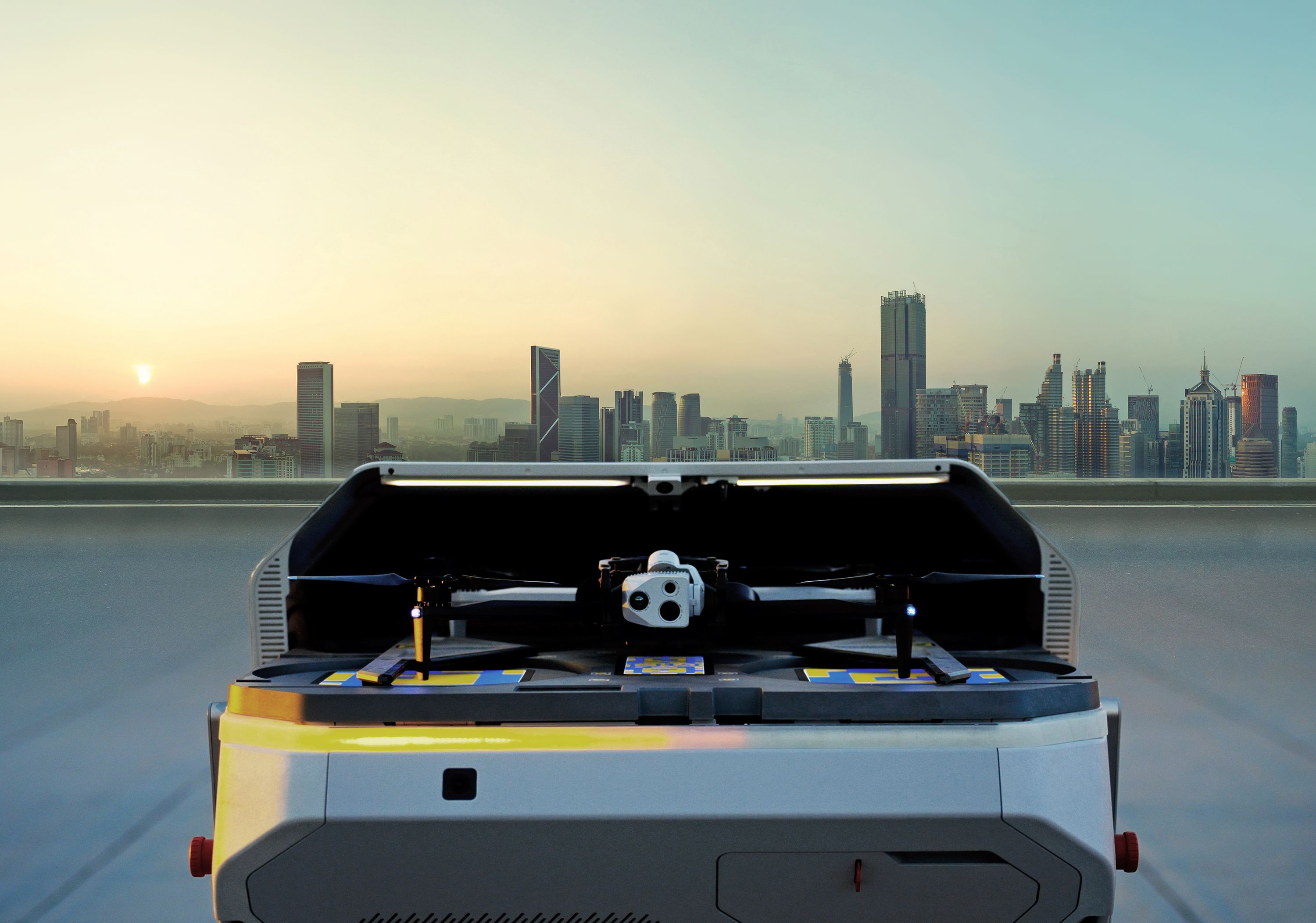
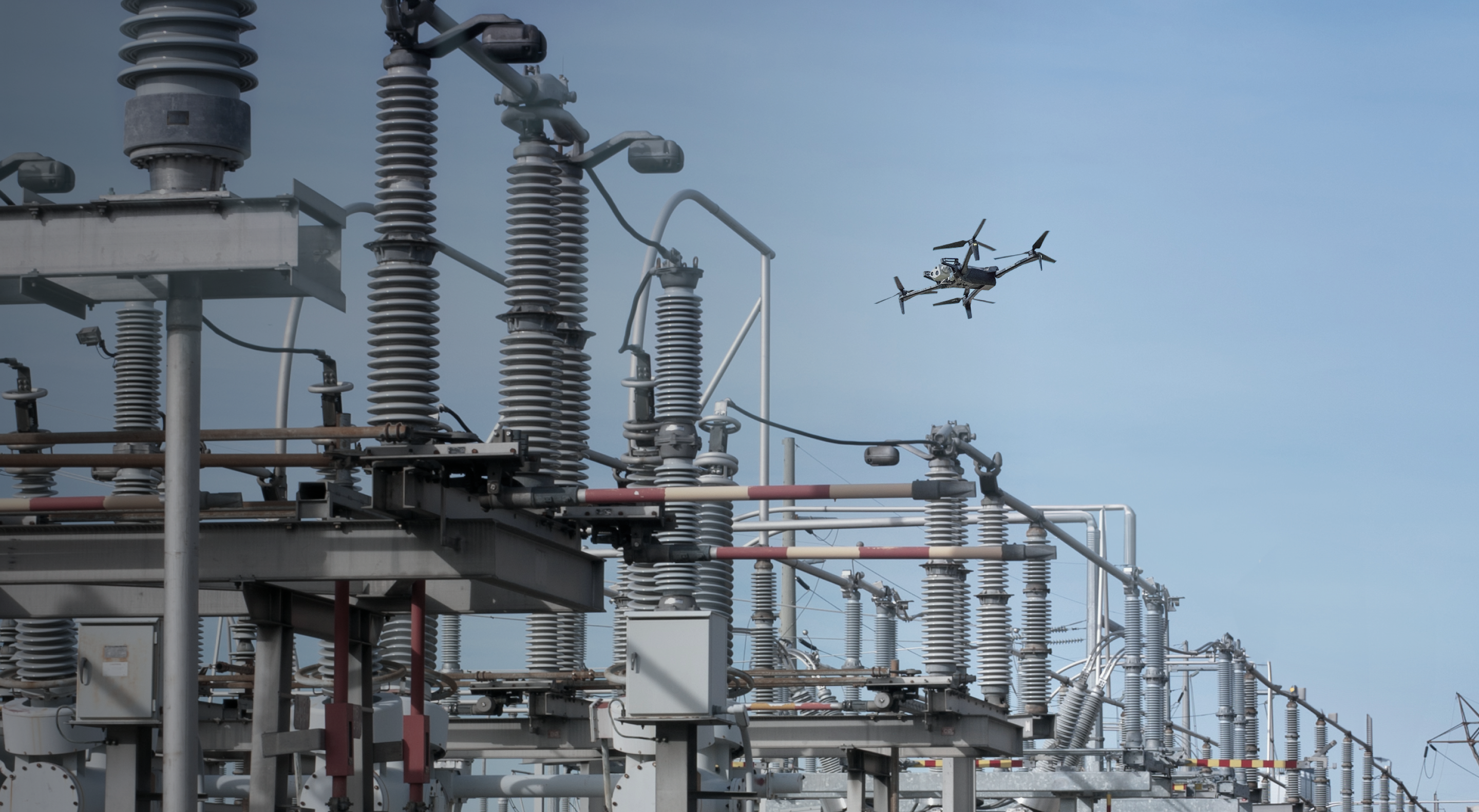
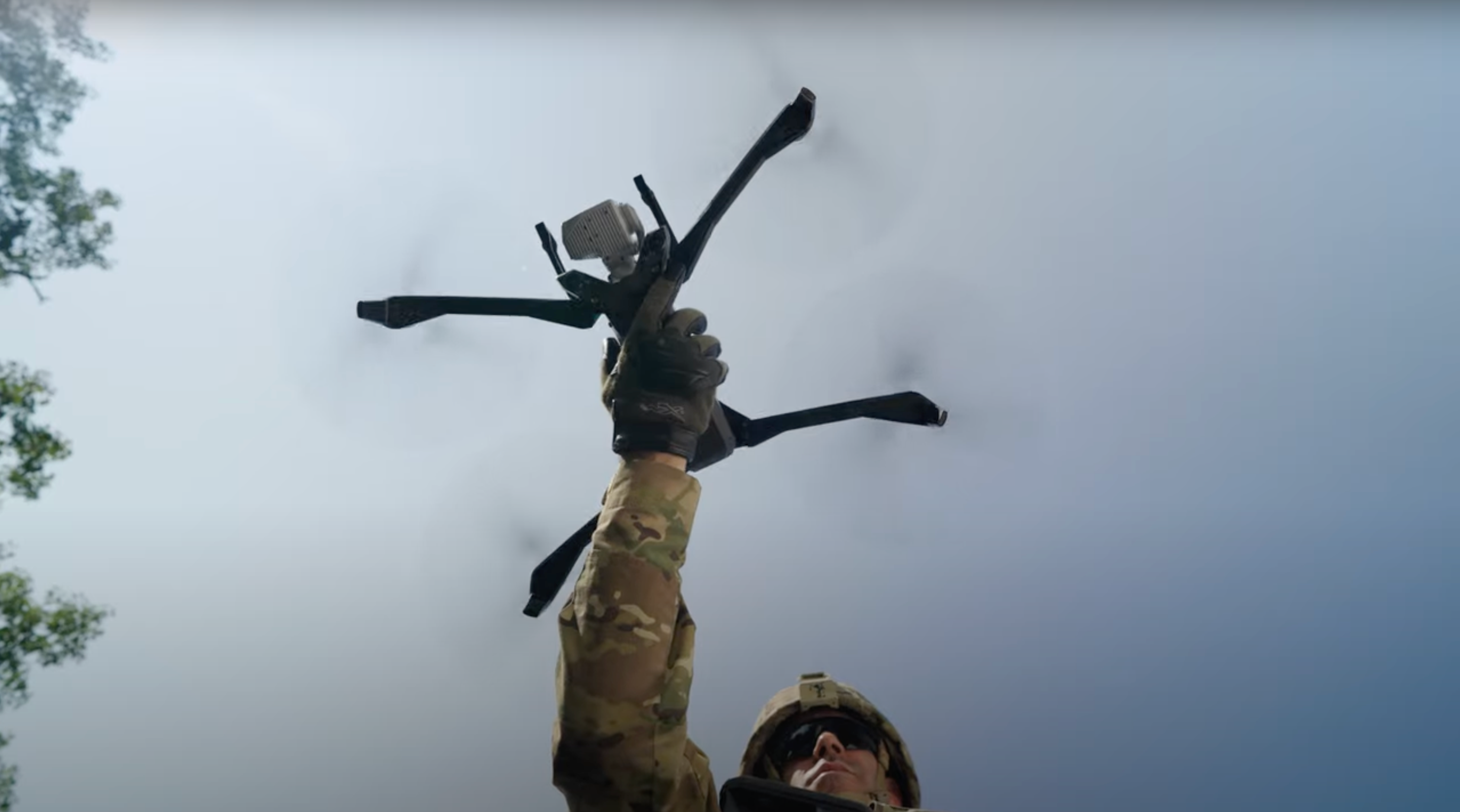
This insightful webinar, hosted by Greg Reeder, Senior Director of Defense Strategy at Skydio, brought together a panel of experts to discuss the transformative impact of autonomous drone technology in defense applications. The session explored how Skydio's drones are enhancing global security through support for ground and maritime forces, and highlighted the drones' role in intelligence, surveillance, reconnaissance, and maintenance operations across various geopolitical landscapes.
- Well, hello, and thank you for joining us today.
- We're thrilled to have you here as we dive into some very timely and important
- topics. My name is Greg Reeder. I'm the Senior Director of Defense
- Strategy here
- at Skydio. I'll be your host for today's discussion,
- guiding you through what
- promises to be a very insightful and engaging session.
- So today we're gonna discuss how Skydio supports allied defense forces.
- Our speakers will cover a bit about autonomous drones used in supporting
- ground
- and maritime forces, uh, coastal defense and reconnaissance.
- We're also gonna talk a little bit about Skydio's use in commercial, uh,
- operations and how those innovations are being used today to support
- defense forces in Ukraine, as well as other applications.
- Our goal is to shed light on how aerial rob- robots and
- autonomy are being deployed globally, and how they're shaping the future of
- defense. So we've got a great team to talk to you
- about those things.
- So today, for our speakers, I'm honored to introduce the distinguished
- speakers we have on hand, which begins with Justin Jordan.
- He's the VP of Federal Sales, Defense and Critical Infrastructure at
- Skydio. We have Udit Patel. He's the program manager for
- International Asia Pacific and the United States Air Force at Skydio.
- We have Keith Thomas, Uncrewed Aerial Systems Capability Lead at
- EPE, Trusted to Protect. And Rob Eddy,
- Group Chief Operating Officer at EPE,
- Trusted to Protect. So each of our speakers brings a wealth of
- experience, a
- wealth of knowledge to the table, and we're excited to hear what they have
- to say
- about these crucial topics today.
- So to kick it off, I'm gonna turn it over to Justin.
- We're gonna start with you and see if you could share a little bit about how
- Skydio
- leverages our use cases to support the global defense and the
- military.
- Yeah. Hi, Greg. Um,
- Skydio looks at it as being a holistic approach to being able to
- provide, uh, smart autonomous drones that
- reduce the cognitive load for all of our war fighters and operators
- that are out there, uh, executing missions.
- You know, specifically, we, we got our start in the ISR, intelligence,
- surveillance, and reconnaissance mission, supporting real-time decision-making in
- extremely complex environments.
- Um, but what we've also done is we've expanded that out, right?
- So we have some more, uh, non-traditional use cases.
- When you talk about being able to inspect assets and vessels, that really comes
- into the maritime setting that we're doing with some navies around
- the world
- to be able to
- als- provide, uh, surveillance operations, but also
- maintenance and support operations, being able to help do condition-based
- maintenance through, uh, naval vessels stationed all over the
- world. We've got some exers- some things that we're doing right now
- currently,
- uh, with different departments, uh, of, in, in the Department of Defense with the
- Air Force and the Navy respectively, and also the Canadian Navy, and these are
- things that we're really excited to potentially bring, um,
- uh, to, to the region here through EPE.
- Uh, and then also when you look at kind of Navy
- and then you take it into those
- coastal regions, Skydio drones assist in monitoring, uh,
- securing,
- uh, kind of critical areas, providing val- valuable intelligence for both
- defense and humanitarian, uh, type of operations, to include
- also search and rescue. And then, um,
- we, we also, you know, we're, we're an aerial-based drone,
- so we operate kind of in
- the air and, and we enhance force projection by
- providing
- high-resolution aerial imagery and real-time data to command centers
- around the world through operate, uh, through, um,
- integrated operations so that we help
- the commanders have the best picture so they can make strategic and tactical
- decisions
- when they need to. And being able to leverage smart
- and autonomous
- sensors, we think, is the way of the future and, and one way
- that is going to empower
- our
- forces and our allies in this fight and the next. But...
- And we're doing it through a, essentially a COTS product,
- but it's not just COTS,
- right? It's a trusted and secure product through, um,
- evaluation, through our secure supply chain.
- So when you look at,
- um, what we're doing, it's all NDAA compliant,
- so National Defense
- Authorization Act. So the pieces and parts are, have, have all been
- verified by the Department of Defense so that they are built, uh,
- to operate in extreme environments, whether that...
- weather
- or, uh, enemy extremes through like EW
- or contested environments where, uh, we need to be able
- to ens- ensure high reliability in very difficult
- situations. And
- the platforms that we're talking, we have a dual use capability where we
- have platforms that service the
- state and local markets as well as the commercial market, but we also have
- platforms that are specifically purpose-built for
- defense and MOD-type customers so that they know that
- they're trusted and secure when they're taking them out to operate
- on the edge. And, um,
- a capability to operate in contested
- airspace anywhere that the units would deploy around the
- world.
- And to talk a little bit more specifically about what we're doing in the
- region, I'm gonna turn it over to Udit right now
- and, and, and he'll
- give you a little bit more detail on what we're doing to
- customers
- in the, uh, in the region.
- Thanks, Justin. Thanks for the intro.
- And so Skydio drones are, have active use cases all over
- AUKUS. So when I say AUKUS, Australia, UK, and the US for all our partners.
- And we're ensuring the, we're ensuring that we have interoper-
- operability between
- our platforms for all the forces that are use- are using them.
- This means they could be used in joint exercises, they could be used, they could
- operate them together with similar equipment,
- which means they could have similar
- TTPs, which are tactics, techniques, and procedures, and they could deploy them
- in similar, similar ways throughout the world.
- And also how to use the controls and how, where they'll operate them as well
- But I'd also like to ask Keith, Keith, how do you see Skydio drones being used in
- Australia and New Zealand?
- Yeah, sure. So, uh, so at the moment we're, we are seeing, um,
- an uptake
- in the purchase of Skydio drones by our,
- um,
- by our military as well as our, um, public safety agencies.
- Um, we've seen interoperability between the
- US, the UK, and Australia
- on exercises here, um, using Skydio drones.
- And, um, I think it's really, really important in aligning those, um,
- the, the, the equipment that we're using with our partners, um, to
- make sure that our defense forces can surge capability, um, and
- interoperate, um, with each other's equipment.
- It also adds to the ability for us to u- use each other's
- equipment and s- and the supply chain.
- Um, so with, with supply chain, being on a remote island here in
- Australia and also in our region, it's a very remote location.
- So having a very secure supply chain and, and other partners that you can
- le- lean on to be able to gather equipment
- is very, very important for
- this region.
- Yeah. Thank you for talking about secure supply
- chain, 'cause I'd like to give a
- little bit more insight into that.
- Um, so our manufacturing capacities, we have a large scale production
- area which our secure supply chain, as Justin mentioned, we are NDA compliant,
- which means all our parts are... We know exactly where all the parts
- are coming
- from, and we've tested 'em
- by itself, and then of course, holistically as well.
- We offer an end-to-end solution from development
- to... And we're ensuring that the, all the components meet the
- stringent military standards that are exist right now.
- Um, but not only do we have a secure supply
- chain, but we also have a
- robust end-to-end security posture.
- And our security posture right now is also being tested in Ukraine,
- which I'll
- send it off to Justin. Justin, can you give us a little more,
- bit more how we're
- using this in Ukraine?
- Yeah, absolutely. You know, Skydio's been involved in the Ukraine
- support effort,
- uh, really since the conflict kicked off, right?
- And we've, we've had drones on the ground, and it's been a great learning
- laboratory for us as we've gone over there and been able to support the Ukrainians
- in their fight, uh, to maintain independence.
- And what, what we've learned is how to make
- our systems more resilient and be able to provide
- value to those people on the front lines.
- And it's, uh, it- it's a little bit of a cat and mouse game.
- As we come up with ideas, they come up with ideas.
- But some things that we're being able to do, uh, to,
- to support the forces on the ground are, we're used in critical
- intelligence gathering. Because Skydio's unique with
- our autonomy engine and being able to use visual navigation.
- We can go in places where GPS is jammed, where we're not reliant
- on GPS. Um, we can go in those places at night now
- that we've come out with new
- features and capabilities that allow us to leverage our obstacle
- avoidance at that
- night. And it, it allows the data to be able to come back
- and return,
- and we're getting more sorties than any other Group 1 system over there,
- and we're really giving, uh, the Ukrainians a,
- a very good return on their
- investment, you know? And as I mentioned too,
- we've done some things that have made it more robust from, uh,
- an EW or an electronic warfare capability that
- allows us to, uh, understand what the enemy's doing.
- And the drone can automatically or autonomously select
- the areas that allow it to maintain command and control so that it
- can execute missions depending on what the mission profile is.
- And we're also, not only are we in the kinetic fight,
- we're in the humanitarian
- fight too, because
- we're, we're being able to document war crimes
- through the Office of the Prosecutor
- General by ways that the, uh, the
- Russians have launched attacks and done different
- things to damage of infrastructure.
- And we've actually had a couple of prosecutions that have used images and
- models that were built by Skydio drones, flown by lawyers,
- uh, that were actually used in cases to help
- convict, uh,
- Russians at, for, for the crimes. Now, as, as we're talking about
- what we can do in the region, Sc- I, I'm talking here, I'd love to pass
- it off to Rob to talk a little bit more about how we fit in with
- EPE and, and how the EPE Skydio team can help,
- uh, the customers in the region.
- Yeah. Uh, thanks Justin. Uh, hello everybody.
- Um,
- I think, um,
- from my perspective, I'd, I'd like to start with the sort of unique,
- uh, position, uh, and the unique geography of, of, uh,
- of Australia. Um,
- it's, uh, it's been, it's been front and center, um, you know,
- of, of
- the thought process, certainly from a defense perspective here
- as we've been
- through a, a, uh, a defense review over the last couple of
- years looking at,
- um,
- you know, Australia's position, uh, and, and how we counter some of the, the
- threats, uh, in the, in the, in the region, in the region that we're
- in. Uh, Australia's, you know, moving towards a,
- a, a strategy
- of denial, which
- sees them project force out, uh, to try and, to try and lay
- adversaries sort of incursion i- into the re-
- region. And,
- uh, the, the challenge of people and, and the res-
- resourcing to be able to do so, so, uh, force multipliers,
- um, su-
- such as, um, the, the Skydio drone allows us to really
- enhance, uh, the capability, uh, that we, that
- we can offer, uh, into, into defense so that they can, they can
- undertake the, the missions and tasks that they have, uh, using some of the,
- um, the technologies to, to, to enable 'em to do so.
- So,
- um, I think, I think that's a, that's a really important part and that's,
- we're
- seeing, um, a lot more interest, uh, in the defense area,
- a- and Keith will talk about that in a little bit more detail.
- Um, I think, uh,
- from an Australian context, I've mentioned the geography.
- Australia's obviously got a, a, a huge coastline and a lot of empty
- space. Um, it's quite a unique geography.
- So again-
- Uh, the technologies such as the S- the Skydio drones can really
- supplement the small population and act as that force multiplier
- that I've meant,
- not only in defense but also in terms of, of border protection.
- Um, we've got a lot of well-publicized issues,
- uh, i- in terms of trying to
- control,
- um, uh, migration into the country.
- It's, it's a large and remote coastline.
- Um, so, you know, we're seeing the Skydios being used within
- other
- Australian government departments to try and monitor, uh, those coastlines where,
- where we can't get a lot of people in to, to do the job because it's,
- um, it's difficult geogra- geographically, and it's difficult in terms of the
- resource bill.
- Uh, I think another, another point that I'd make there is the,
- is the utility of
- the dock in enabling that because you can then sustain, uh,
- some of those,
- uh, more remote operations, providing that persistent capability, which
- is a real, um, which is a real bonus out here, uh, again, uh,
- from the resource perspective.
- Um,
- from the, from the more regional, uh, perspective, I, I've touched on it from a
- defense point of view. Uh, we're seeing a lot of those challenges
- also.
- Um, the ones that we, we, we are seeing in Australia mirrored across
- the
- Indo-Pacific region, uh, and that's necessitating some of
- that more advanced
- technology to counter those regional adversaries.
- Um, the, the ability to use, uh, the
- technologies like, like the Skydio are really important to try
- and support our
- allies and provide us, uh, with the support and the,
- uh, and the intelligence gathering, uh, that- that's important to build the, the
- intelligence picture of what's going on.
- Um,
- we're seeing, um, you know, a lot of, a lot of use outside of defense
- also in the region. Police forces, border forces, emergency
- services. Um, a good example, um, again,
- for the, for the capability of the drones to cover
- large areas is in,
- um, is in the, uh, against the bushfire risk that we,
- that we face over
- here. Uh, Australia has a well-documented, um, uh,
- incidence of, of, of fires. We had, uh, some pretty serious ones a couple of years
- ago. Being able to use the technologies to
- cover huge areas and
- provide that, uh, important intelligence back is, again,
- another really i-
- important use case that we're seeing a, a lot of, a lot of interest in.
- Um, we at EPA- EP recently hosted a, uh,
- a scenario and a demonstration for the air services, uh, group,
- their firefighting resources over here.
- They came and trialed some scenarios and really saw the utility of,
- of those platforms to enable them to, to provide early warning and, and
- really focus their response, uh, if there were incidents, uh, in this
- particular instance such, such as fire.
- So a, a huge, uh, spectrum o- of uses, um,
- that really, uh, fit into, into the Australian geography
- and the Australian,
- um, perspective, but also the wider Indo-Pacific, uh,
- challenges that
- we're seeing over here.
- Um, I'm just gonna hand across to Keith now
- just to talk a little bit more in
- detail about some of the other ones and, and particularly focus in on, on some more
- specifics around the opportunities that we're seeing in defense.
- Yeah, sure. So, um, I think Rob's touched pretty, pretty, um,
- well on
- defense and also law enforcement there.
- The, the other space that we're seeing drones used a lot more
- in this country
- and across the region now is in critical infrastructure, uh,
- inspection. Um, so using drones to, to go through and create models,
- um, bui- build historical data of infrastructure.
- Um, we- we're noticing now that a lot of people are requesting the
- use of a allied procured drone as opposed to
- something from, um, an unknown nation.
- Um, so that's been an interesting change
- probably over the last six to 12
- months that we're seeing here. Um, there's a lot of obviously opportunities
- within the Defense Force. The, um, the integrated investment plan
- that was, um, released, it was about, uh, 12 months ago now.
- Um, they've indica- indicated that there's several hundreds of millions
- of dollars
- to be spent on, um, different uncrewed systems over the next
- sort
- of decade. Um, so we, we definitely
- know that we're gonna be, uh, be using a lot more uncrewed systems to
- supplement our, um, lack of people, um, which is a big problem that we
- have here considering the size of our country, um, and also across the
- region as well. Um, and we're, we're
- already seeing the Defense Force looking at different, um, different types of
- platforms that they can use for this use case.
- Um, and they're doing a lot of different
- evaluation programs at the moment to
- try to figure out exactly what the best, um, product is gonna be.
- Um, and pretty well Skydio drones have been
- involved in all of those different
- evaluations.
- Um, across the rest of the Australian
- government, um, you know,
- there is a, a large multitude of different government
- organizations that are currently going through the same
- process
- that our Defense Force and our police forces are going through,
- where we, we no
- longer wanna use, um, uncrewed systems from, uh, those
- unknown nations. We wanna use them from our allied
- partners.
- Um, so anything that's manufactured in the US
- or the UK,
- um, or obviously in Australia is a big tick in the box for us.
- Um, and then we're also seeing that happen not just in Australia,
- but also once
- again, our regional partners, um, which is probably a good segue into talk
- about a little bit more about New Zealand and the network-enabled army, um, there.
- Did you wanna talk about that, Rob?
- Yeah, sure. I, I can cover across that.
- So, um, EP was recently, uh, awarded a
- contract by the New Zealand Ministry of Defense, uh, to supply
- them and their Defense Force,
- uh, as part of the reconnaissance and surveillance, uh, program
- that they're doing,
- the Network Enabled Army Program.
- Um, they took up, uh, uh, just over 20, um, I believe Skydio
- drones, um, wh- which we supplied in.
- And really that's looking, they're looking to sort of elevate their
- ability to
- provide situational awareness, um, support the deployed
- command decision-making across the echelons of, of command.
- Um, but also enhance their, you know, the, the critical battlefield
- missions, um, the, the surveillance capability,
- uh, and provide some accurate, uh, capture of, of mapping data.
- Um-
- I think, you know, f- for them it was important that they, uh,
- they could increase
- the safety and security of their own forces and, and personnel.
- But also use these to try and assist, um, as has been touched on during, during
- some humanitarian assistance, disaster relief type scenarios.
- Um, not only in combat and, and, and search and rescue operations.
- Um, a- again, you know, there's, there's, uh,
- some interesting g- geographies in the region.
- Um,
- New Zealand's prone to, to earthquakes and cyclones, so this again
- is a, is a, is an asset that they've now got in their, uh,
- their armory to be able
- to, to provide that, uh, surveillance capability, and really
- enhance the decision-making capabilities that, um, that, that they have within
- the, um, the C2 structure of their, their armed forces.
- So a, a really good example, and we'll, we'll see, uh, I'm sure,
- those drones starting to get more use, more operational use as the, uh,
- as they get
- familiar. We've, we've provided the,
- uh, introduction into service, the evaluation and,
- and training over the course of
- the last few months. So, um, as those drones, uh, start to get more
- operational use, uh, we should see them, we should see them appearing and,
- and, and really providing their...
- showing their value, showcasing their value over the next, uh,
- uh, period of years, period of, uh, period of few years.
- Um,
- I'd like to just, just move on and just talk about our, uh, the support
- that we provide i- in region, uh, through, uh,
- the EPE maintenance hub, uh, and the model that we have here to
- support,
- um, uh, the, the Skydio products. Uh, so we,
- um, we have a model where, where we look to support all the,
- all the capabilities
- that we put in, uh, to, to the, to the end users.
- Uh, and the advantage of that are, are twofold really.
- Um, they are... they allow us to, to, to reduce
- costs, uh, in terms of sending equipment back, uh,
- to, to you
- guys i- in the States. Obviously, w- we take out the freight costing and all
- that sort of stuff if we're able to, to do some of the maintenance here in
- country.
- But also more importantly, it allows that, uh, asset to reduce the
- time that it's, that it's not operational.
- Um, so if, if end users don't have it, uh, they, they,
- they aren't able to perform those operational missions.
- If we can, if we can, uh, turn that around quicker by being, uh, in
- region or providing forward deployed assets, then obviously we reduce the time
- that they're offline. So,
- um, there's some real advantages to be able
- to, to maintain to a level in country.
- And our, our model is, uh, we maintain a, a group of
- technicians here in country. Uh, we've sent them over to you guys,
- uh, to get trained up on, on some of the, uh, some of the equipment to, to, uh,
- varying, varying levels. They get certified to be able to, to,
- to do some of the
- fixes. Uh, and then we do that in country.
- Or we provide a deployable capability whereby those guys can, can go forward a-
- and fix, um, the capabilities in country.
- And, and we've recently done that, uh, out into, um, the Middle
- East with a group that's, that's gone out there to maintain some,
- uh, electronic,
- uh, countermeasures equipment. And we routinely provide that facility and
- service for, um, for, for the foreign affairs organization over
- here.
- Um, so I think our, our ability to perform repairs
- here, uh, and, uh, forward, uh, allows, you know, that, that,
- um, uninterruption as I've talked about.
- A- and even in, in, in conflict situations we'd have teams
- that could go forward
- and do that or provide that short lead time to send it here and,
- and allow it to
- do, um, the repairs, uh, in country.
- We're looking to set up some, some regional hubs as well.
- Uh, we're expanding, uh,
- a lot of our other business, uh, into, into Southeast Asia.
- We've got, um, we've got a, a, a sizable,
- uh, amount of capability now flowing into, uh, Indonesia.
- Uh, so again, we're looking to, to forward base and provide them with the,
- the best
- options for repair to allow, um, you know, maintenance and
- continual use of those capabilities a- as we move forward.
- Um, so hopefully, uh, that, that capability that we have and,
- and develop here will
- be a, a real asset to maintaining the, uh, the, the Skydio,
- um, equipment in theater and, and, and increasing
- the time on task, if you like, for those bits of kit.
- Maybe I'll turn it back over to you, Justin.
- Is there, um, to kind of close out that topic
- and how, uh, Skydio works along with what Rob had just
- mentioned,
- uh, from an international perspective, how are we supporting other allied
- nations? And then I think we'll wrap it up.
- We're near time, and we've got a few questions to respond
- to as well as we get
- towards the end.
- Uh, yeah. Um, you know, we're, we're supporting and, and we have drones,
- uh, deployed all across the Five Eye
- countries.
- And we, we seek out, uh, partners in
- those areas very similar to EPE. Because a- as we're
- going into a lot of these other regions, we wanna make sure
- that we are aligned with the best partner in the region that understands the
- space, understands the customer's needs, but also understands how
- Skydio can help, help bridge some of those gaps and, and,
- and be the
- solution for them. So, uh, we were excited as, as we're
- coming to market in, in the region, uh, with, with
- EPE, and what we as a collective group can
- provide to the end users to help them do things, uh,
- better and safer and more efficient in their daily tasks.
- Okay. Well, that... I mean, this has been a good discussion, and
- you guys aren't off the hook yet. We've got a few questions
- that have come in.
- Um, and so I... They relate to a lot of what you've talked
- about already.
- So I'm gonna frame them, and I'll tell you what the question
- was that the, the
- folks asked. But, eh, they... We've got a pretty good grouping of the
- things that you've discussed, and we're gonna drill down a little bit
- more.
- And so the first one is for you, Justin, but of course anybody else can chime
- in. I was talking with someone the other day
- that asked a question about
- the Skydio drones and its ability to have obstacle
- avoidance, and they wanted to
- know specifically if they could take it to explore a cave, right?
- So there's no GPS. There's a lot of
- obvious challenges with that. So the question that came in w- Pretty
- much relates to that, and they ask, "How do Skydio drones
- actually adapt to different operational environments?" Like Rob talked about
- fighting fires in open coastlan- coastlines, and we're talking about
- defense operations and interoperability.
- So
- how can Skydio as a, as an ecosystem or even a drone, like
- adapt to all those different land, sea, and air missions and environments?
- Well, the, the short-
- That's for Justin. [laughs]
- 'Cause it, 'cause it's a, it's a smart drone, right?
- So it's, it's running nine neural networks on a CPU
- processor on the drone, and then there's six
- cameras, obstacle avoidance cameras that are feeding into those networks
- that allow
- the drone to see, understand, and act on things that are
- happening in its environment. So you don't necessarily need to preload
- maps.
- It's gonna be able to operate off of vision.
- And then now we've added what we call Night Sense, so it's the
- capability, um, with IR lighting to illuminate the
- area as the drone flies at night. So it has the same level of
- obstacle avoidance during the day or pitch black darkness.
- Uh, we've, we've executed this, um, in, in a couple of different ways,
- right? Uh, New York City, we've gone in and, and, and helped them,
- uh, explore subway tunnels that were out of use
- and, and helped them map some of those.
- Um, we've gone into places with wildfires
- and on the
- edges and, and around as, as they're going on with some
- international
- partners, specifically down in Colombia.
- A- and it, so it's also IP rated, so y- you can
- take it and you can get it wet. It, you don't need to keep it dry and out of
- harm's way. And it, it understands the mission that it
- needs to execute and it's gonna go execute the mission.
- So rather than
- having somebody working to sim- flying the drone,
- the operator just needs to focus on what they wanna capture, and then the
- drone will get it there in the best way possible, avoiding any and all
- obstacles and giving you a very high resolution based
- on the sensor payload that's currently on the drone, you know?
- And, and w- it is best in class of a drone this size,
- so it
- really offers a lot of capability in a very small package for
- users that are wanting to bring, uh, small UAS into
- their operational schema, whether that's in a dynamic and kinetic
- environment like, uh, military or you're looking at,
- you know,
- land management and wildfire type of mitigation type operations, or if you
- need to go in caves and you're looking for mining specific
- operations.
- Yeah. Well, that's interesting 'cause it, I guess the flip side, and we've talked a
- lot about defense forces and allied defense forces and Ukraine.
- One of the, the big
- obvious topics is EMI, electromagnetic
- interference and electronic warfare.
- You kind of touched on that in the beginning.
- To the extent possible without like revealing any secrets,
- um, can you explain a little bit about how
- Skydio and, and EP
- and other forces can work together with this platform to kinda
- counter
- what they're up against when it comes to modern warfare when it,
- you know, e-
- RF environments?
- Correct. Yeah. Um, sure. Like I said before, Ukraine's
- currently right now the ultimate test bed environment because it's the most dynamic
- environment that's going on really around the world, where you've got two countries
- that are going at each other and, and there's fairly sophisticated
- technology
- being employed from, uh, a jamming and EW
- scenario, right? So,
- um, understanding that environment and being able to find
- areas in the environment that you can operate has been key for both
- sides. And as tactics, techniques, and procedures
- evolve and change over time, you, you need a system that's going to evolve
- and change with it. So what we've done at Skydio through a lot
- of trial and
- error and working with our, our partners on the ground in Ukraine,
- is build a, a platform that can operate on
- multiple frequencies, that give you a broadband that you can,
- you know, find clean spectrum in order to be able to
- execute the mission.
- It, it also, with those nine neural networks,
- it's able to see
- and understand its environment. So if you have,
- uh,
- RF interference and you have loss of GPS, it sees and understands
- the environment that it's flying in and has the ability to execute the mission
- and
- also return to home so that you can retrieve the data.
- And then it's doing it through a very secure connection.
- So it's going to be very hard for the enemy to
- understand exactly, um, where you are.
- And we've done some things with our antenna schema and, and, and how
- we're employing those to provide further support for our
- users to be able to have
- the capability to project signal, uh, from,
- uh, different sources that allow the drone to execute the
- mission.
- Okay. Well, maybe switching gears a little bit.
- We've talked about the capabilities. The questions came in a little bit about
- EW.
- The other one, Keith and Rob, you both mentioned about, uh,
- being able to
- have reliable drones from known suppliers.
- And Udi, you talked a little bit about supply
- chain.
- Maybe could we pull the thread a little bit.
- We had a question about how do we make sure that we have a secure supply
- chain? Like how, how it can that be guaranteed so that we can support
- everybody with a, a safe and secure and a known entity when it comes to
- how we produce drones?
- Sure. Thanks for the question, Greg.
- Um,
- we know where each of our parts and each of our components come from, down
- to which country they're coming from.
- So all these supply chains are, we just make sure they're reliable
- and they're high
- quality and they're, of course, tested before they're put on our platform.
- So they're individually tested, get the test reports and before we,
- we even put 'em
- on our platform even before they're produced.
- Um, of course, we, we also follow the US government
- and regulatory agency
- security requirements that are out there.
- Like we fol- make sure we're following all NDA
- compliance and making sure we get
- the components from a truthful s- source as well.
- And while we're talking about, um, components, the security side
- is important as
- well, and we have strong encryption of, of the cybersecurity of our system's
- strong as well. So all your, all your security,
- all your information's being stored
- appropriately as well during transit and at rest.
- Okay.
- So we've covered capabilities, we've covered how they're built.
- Some of the other things, Rob, you brought up about coastlines and
- wildfires. Keith, you talked about, um, support
- for basing and in Ukraine and, and even humanitarian
- assistance, uh, and disaster recovery.
- I thought maybe I'd turn it over to you, uh, gents, to talk a little bit, maybe
- there's some specific stories or drill down a little bit
- into how, how you're really employing that.
- 'Cause it seems like it's the answer to everything, which we want people to
- think, but it really does have a lot of
- applications across many
- different capabilities, and helping people is a great
- way to be able to use technology. And maybe explain a little
- bit of how it's being used for humanitarian d- assistance
- and maybe some of that
- regional effort that you talked about earlier.
- Yeah. So [clears throat] I'll, uh, I'll start off.
- I think, you know, um,
- from our perspective, uh, here in, in Australia and the
- sort of wider, uh, Pacific region, I think there's, there's
- probably, there's probably four things, uh, that I, that I'd just sort of focus in
- on. Uh, the first is that, you know, that force multiplier effect that
- I, that I talked about earlier. Um, the capabilities that, that,
- um, we've heard a little bit about on, on this, uh, session today really,
- um, do allow, um, the kit to,
- to perform tasks that allow you to reduce the numbers of
- people.
- So i- in Australia's a case where, you know, areas are
- vast and, and, and people resources are small.
- Um, the ability to use the capabilities of the
- Skydio to, to enhance,
- um, what you're seeing, what the picture is, enhance
- that data flow back so, you
- know, accurate decisions can be made, be they in a, in a fire scenario or a,
- or a border protection scenario or a defense scenario is,
- is really important.
- And I think the breadth of utility that we've seen here, again, is,
- is something
- that, um, that is key. You know, the, the capabilities and the information
- is, is first class, so that can really inform, uh, getting
- the accurate, uh, decision from, from, from, from people, and
- therefore deploying the right resources into the right place to, to come out with
- the right outcome.
- Um, so the, you know, the first point is that, you know, that force, force
- multiplier effect. And the second one I've touched on
- is the quality of the
- information and the data. You know, the feeds are, are providing,
- uh, information that's, that's reliable and clear.
- So it, it reduces the uncertainty around some of
- the
- decisions, um, and the ability to, to deploy it into those environments i-
- is, is key. Uh, the third bit I'd touch on is, um,
- is the usability.
- Um, we're finding, um, a lot of feedback here is that,
- uh, it's very, it's very easy for, um, guys in the
- field, be they, uh, border protection people or,
- or first responders to incidents or, uh, or soldiers, uh, on the
- ground. Uh, the,
- the equipment is, is, is user friendly. It's easy to use.
- The training, the training burden i- is not, is not enormous by any
- means. So, um, we can, we can quickly get these, uh,
- into, uh, operational roles, and you've got a broad spectrum of people
- that can use it. It doesn't necessarily have to be a, a,
- a specialist.
- Um, y- you can, you can use it in all different areas to
- enhance the mission
- that you're, you're trying to achieve.
- Um, so I think that's key. Uh, and the final one is, uh,
- we touched on the
- supportability. Um, you know, the, the model where, um, you
- can have an EPE supporting, uh, the maintenance and the through life
- support, uh,
- reducing, uh, the, the, any, any gaps in the, in the
- operational capability or the operational,
- um, ability of that particular, uh, drone.
- And the, and the, the ability to, to forward deploy and, and, and
- maintain the, the capability in, in region where it's being used
- is also, it's fundamental. Particularly, you know, when you might have a,
- you might have a, a whole series of these deployed across,
- uh,
- the, the, the, the Pacific or the archipelagic region that we have
- here. So the ability to do those four things,
- I think are, are, are really
- impressive and, and, and, uh, are what make the, the technology stand
- out.
- Okay. Well, I thank you, and I also thank you for using
- archipelagic because I, I, I'm kind of surprised I could even say
- it. But, uh, no, I'm, I'm glad for the, the great expertise that
- everybody was able to share with us today.
- Uh, lots of great information, uh, and grateful for your
- partnership and being able to help people find new ways to
- tackle complex problems. Before we go, for those of you that are
- attending Land Forces, we'd love to continue the conversation
- with you in
- person. So you can meet our team at EPE Trust &
- Protect stand. It's booth
- G-0-7-0, and it's on 11 to
- 13 September. We look forward to seeing you there
- and talking more in depth
- about what we can offer and what we can help you solve.
- With that, well, thank you for your time
- and your expertise, and thank the audience
- for attending and joining us today to hear more about what Skydio and
- EPE have o- have to offer.
- Pleasure. Thanks for having us.
- Thank you very much.
Watch Time
35 Mins 41 Secs
Related Webinars

Demo: 1 Remote Operator. 2 Inspections. 1 Response. No Field Dispatch
Watch webinar
How Cross-Functional Data Powers Modern Utilities (Live from DTECH)
Watch webinar
Flight to Insight: How AEP Ohio is using drones & AI to turn inspections into uptime
Watch webinar