FAQs about asset inspection
General
What is Skydio's drone inspection solution?
Skydio offers a comprehensive aerial inspection program that combines autonomous drones, docking hardware, software, and services to help organizations inspect critical infrastructure more safely, frequently, and efficiently than traditional methods. The program modernizes inspection and maintenance plans with automation-powered efficiencies, best-in-class sensors, and lowered risk for workers.
What industries and asset types can Skydio inspect?
Skydio’s aerial inspection solutions are purpose-built for critical infrastructure, including utility transmission and distribution assets, energy generation sites, transportation networks, and telecommunications systems. The platform also supports inspections across solar, construction, and other industrial environments where safety, reliability, and data quality are essential.
How does Skydio help reduce inspection costs?
Skydio drones eliminate unnecessary truck rolls and significantly reduce safety risks. You can inspect more often, reach vantage points not accessible by foot, and see assets in greater detail to inform better decision making. One utility customer reported that within the first three flights, the drone paid for itself by confirming the exact location of a water leak and avoiding a costly excavation.
Which drone model does Skydio recommend for utility inspection?
Skydio recommends the X10, which offers advanced autonomous flight, resistance to electromagnetic interference (EMI), and the best sensors to get the data you need. It is ideally sized for navigating challenging utility environments.
Is Skydio a U.S.-made product?
Yes. Skydio offers a secure solution designed, assembled, and supported entirely in the USA, and its drones fully comply with NDAA regulations - helping customers avoid country-of-origin concerns.
Technology & Capabilities
How does Skydio navigate in high-EMI utility environments?
Skydio's AI-driven navigation system does not rely on GPS, making it unaffected by electromagnetic interference (EMI). This allows the drone to maneuver through charged lines and environments without a hitch - something traditional drones cannot reliably do.
What sensors and cameras does the Skydio X10 offer for inspection?
The Skydio X10's VT300-Z sensor package includes a 64MP narrow camera, a 48MP telephoto camera, and a Teledyne FLIR Boson+ thermal camera. This combination allows teams to detect anomalies down to the 0.1mm level and inspect details from safe distances.
Can Skydio drones detect thermal anomalies?
Yes. Skydio drones are equipped with thermal imaging capabilities that allow operators to identify heat and temperature differences to recognize anomalies on critical power generation infrastructure.
Can Skydio create 3D models of assets?
Yes. Skydio's 3D Scan software enables assets to be scanned autonomously, producing detailed, interactive 3D models compatible with your preferred photogrammetry software.
How does automated mission planning work?
With asset-based mission planning, your existing asset data becomes ready-to-fly missions in just a few clicks - allowing you to capture more accurate data, inspect more often, and scale coverage without adding headcount. Streamlining and aligning to asset management workflows allows for more efficient operations and data flow.
Utilities-Specific Use Cases
How does Skydio help utilities prevent outages?
Skydio drones enable condition-based maintenance, allowing utilities to stop outages before they start by knowing the true state of their system's components. Maintenance decisions can then be made based on actual asset condition rather than fixed schedules, reducing costs and increasing uptime.
How does Skydio support substation monitoring?
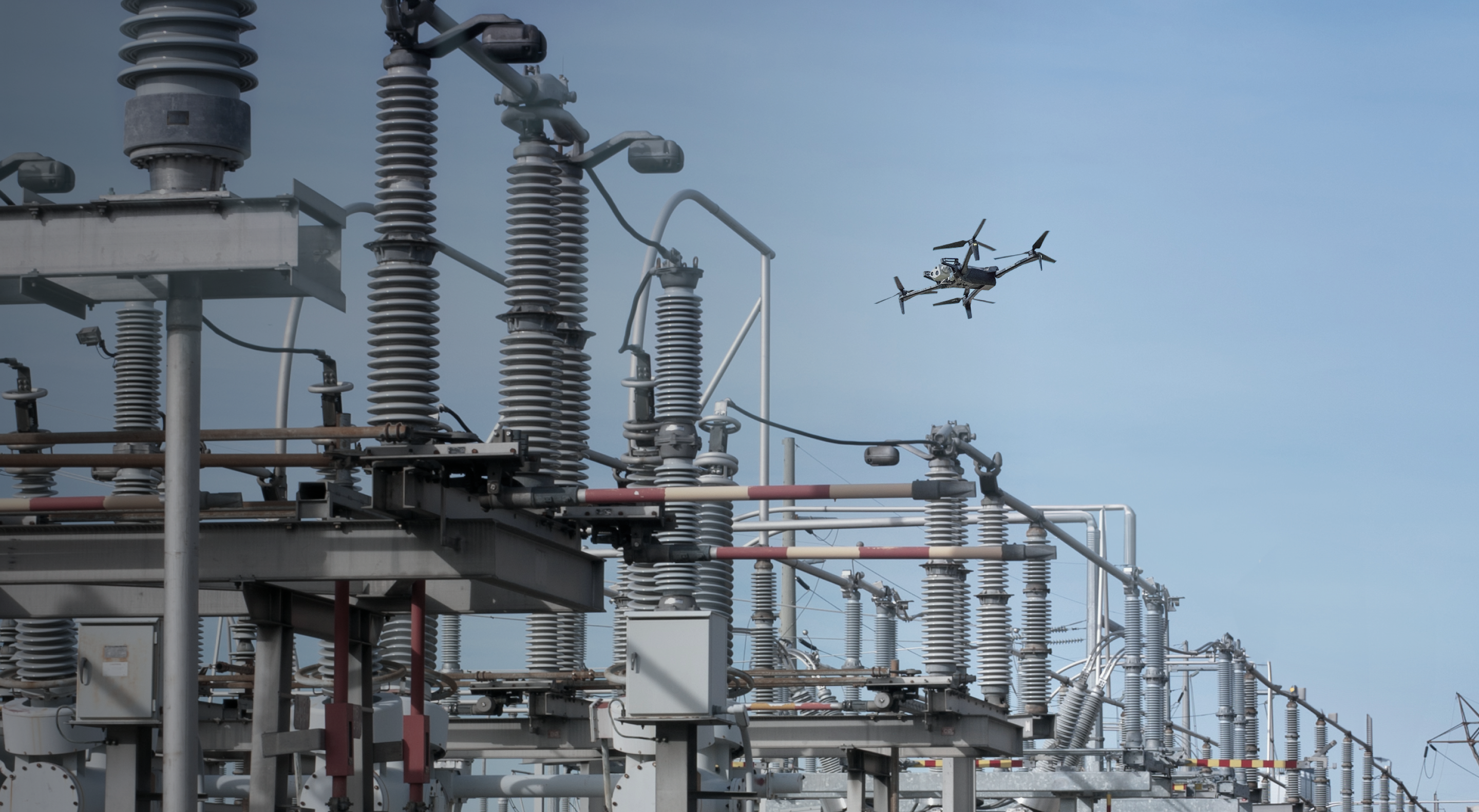
Only Skydio drones are resistant to electromagnetic interference, enabling them to go where competitor drones cannot. Combined with the Skydio Dock, substation inspection data is always available - enabling safe, close-proximity monitoring in energized environments and more informed decisions that reduce downtime.
The difference this makes in practice can be significant. In a presentation at Ascend 2024, Southern California Edison shared how using the X10 to fly above, below, and through substation equipment uncovered multiple loosening pivot bolts that would never have been visible from the ground - a finding that prevented what would have been a 30-day outage.
Can Skydio drones help with substation security?
Yes. Substation attacks, theft, and vandalism are a top concern, as damage can cause customers to lose power for days. The 2022 shooting attack on utility substations left up to 40,000 customers without power. An on-site Skydio Dock provides increased security through continuous, safe, and accurate surveillance, especially in remote locations.
How does Skydio improve distribution network inspections?
Skydio enables utilities to respond to outages and conduct planned inspections three times faster than with bucket truck crews, getting high-resolution cameras within arm's length of electrical equipment with far less danger and effort. The impact is measured in reduction of CMI, improving SAIDI and SAIFI metrics.
What power generation facilities can Skydio inspect?
Skydio drones can safely survey hydro, solar, fossil, and nuclear generation facilities and equipment. They can navigate highly energized and obstacle-filled environments to access assets such as gauges, switches, joints, and perimeters - as well as tasks like inspecting assets such as turbine blades, scanning dams, checking boilers and smokestacks, and patrolling dry cask nuclear storage.
How do Skydio drones save time on generation asset inspections?
An American Electric Power Continuous Improvement Manager described the traditional process as requiring days of scaffolding erection just to access turbine blades. With a drone, the same inspection can be completed in minutes, avoiding significant cost for inspections that are critical to plant operations.
Can Skydio help utilities meet regulatory compliance requirements?
Yes. Skydio helps utilities efficiently capture the data needed for regulatory compliance with standards such as NERC and FERC, helping avoid costly fines. A major IOU launched a program with X10’s to comply with FAC-008 inspections, reducing the fines that had been historically incurred due to the inability to inspect and attest to all of the substations in their territory.
Remote Operations & Software
How does remote drone operation work for utilities?
Remote operations combine the Skydio X10 drone with pre-positioned Skydio Docks and Ops Center software, allowing operators to fly inspections from any browser, anywhere in the world. Field personnel can hand-activate a drone on site and pass control to a remote operator.
What is the Skydio Dock, and why does it matter?
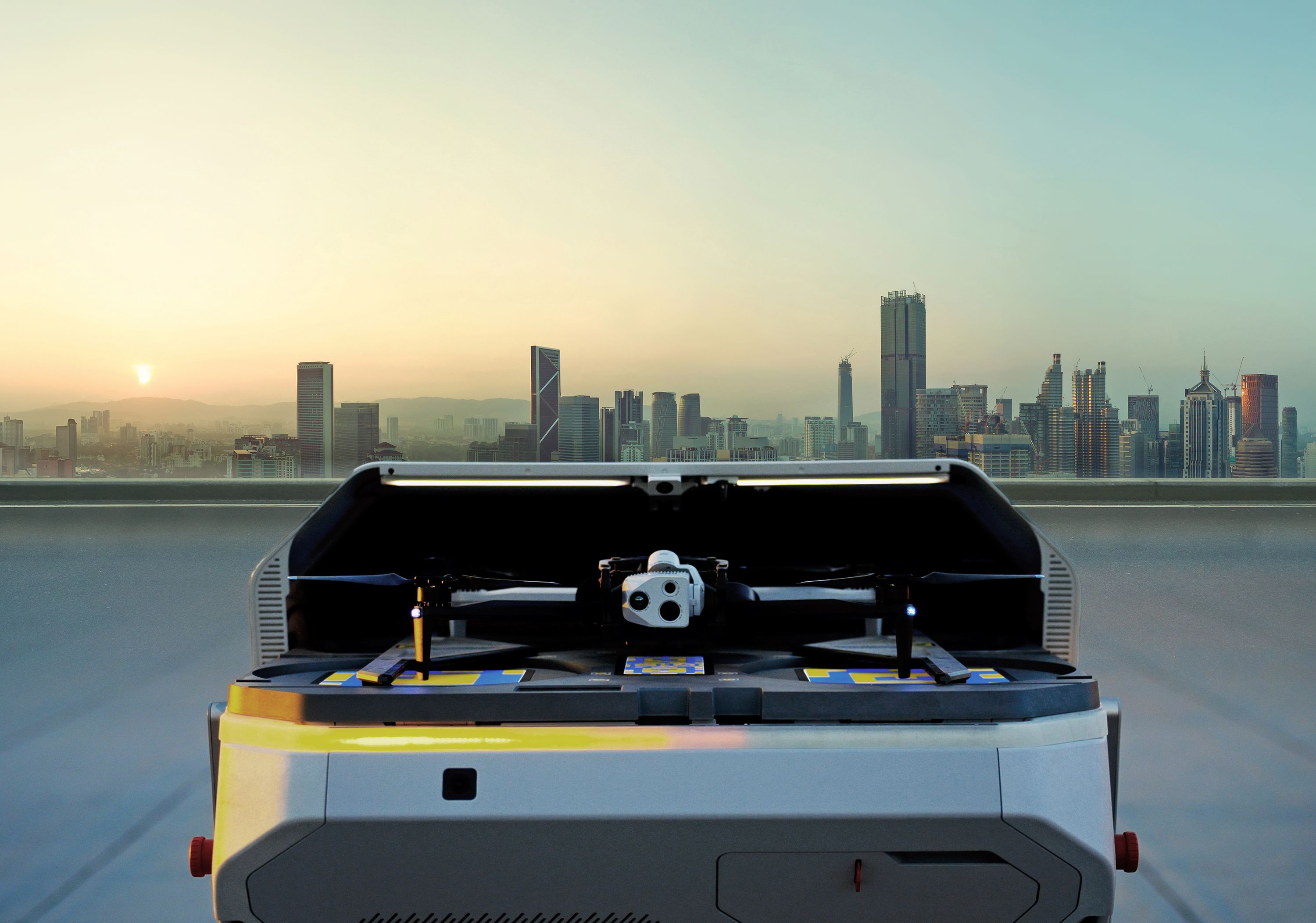
The Skydio Dock keeps the X10 drone strategically pre-positioned and ready to fly without requiring truck rolls. It is a ruggedized, weather-ready, and temperature-controlled platform that houses and recharges the drone and enables continuous monitoring, patrol, and data collection - on schedule or on demand.
What is Skydio Ops Center software?
Ops Center allows operators to turn existing asset data into ready-to-fly inspections in a few clicks with automated, asset-based mission planning. Teams can schedule autonomous inspections or respond to alerts and take remote control at any time.
With ReadyLink, anyone can scan a QR code from a computer or mobile device and view the drone inspection in real-time from any location, accelerating communications and decisions amongst stakeholders when time is of the essence.
How does Skydio integrate with existing utility workflows?
Skydio Extend enables the secure integration of drone-captured data into existing workflows, making it easier to transfer, store, and analyze data and enable better team collaboration - so utilities can expedite post-processing analytics, manage enterprise assets, and connect with systems of record. Asset-Based Inspections streamline the data flow from your asset management systems to expedite and automate mission planning and capture, allowing for more accurate digital records.
Getting Started, Training & Support
How much training is required to fly a Skydio drone?
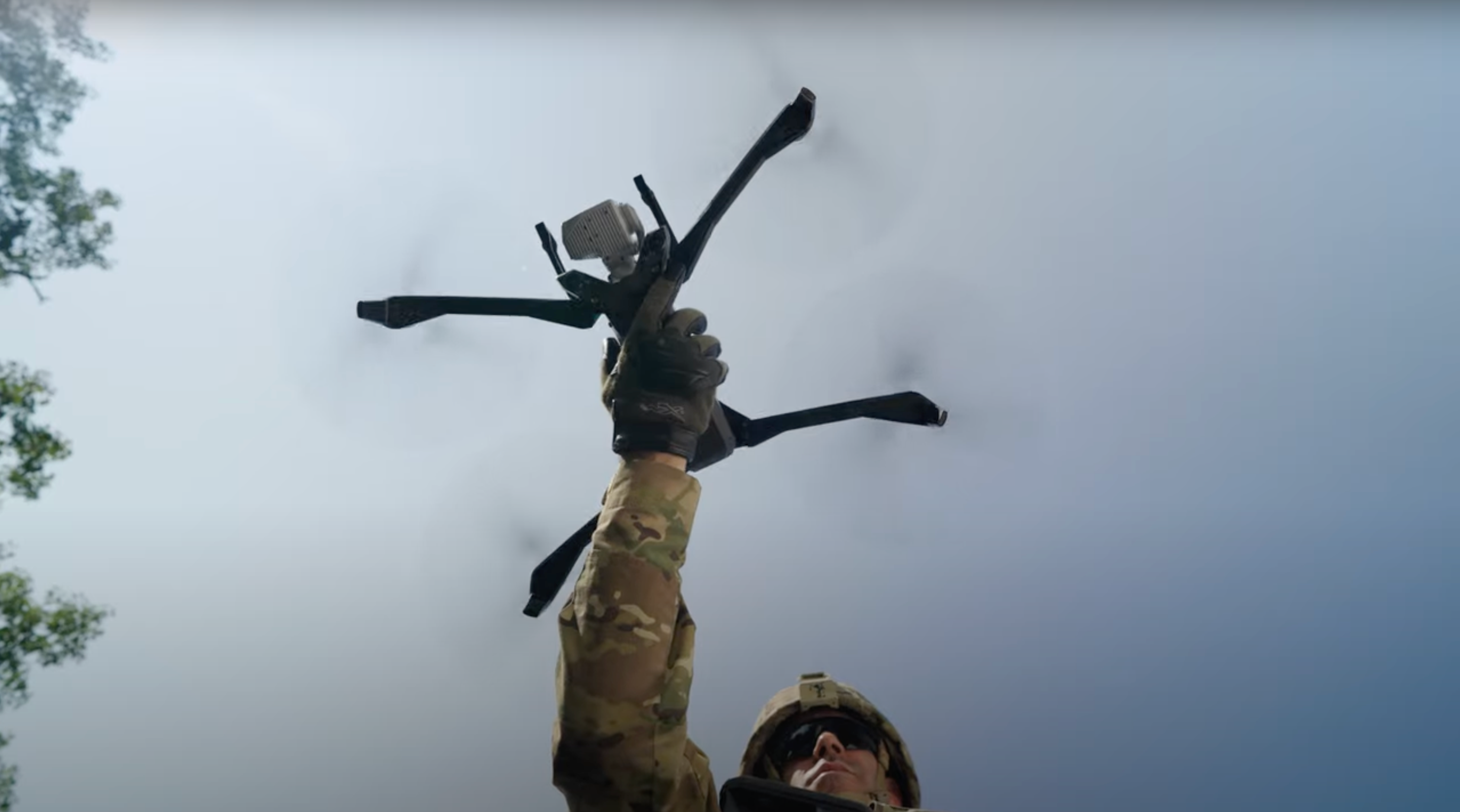
Very little. Operators can become proficient in a few minutes and expert in just hours - though a Part 107 license is still required. Without needing to hire additional pilots, Skydio's market-leading autonomous technology makes it easy to navigate around obstacles, so any licensed operator - regardless of flight skill level - can confidently fly utility inspections in complex environments.
What training options does Skydio offer?
Skydio offers both online and live training tailored to shift and personnel needs, including specialized training for flying in energized areas, challenging locations, and inclement weather.
Can Skydio help with BVLOS waivers and FAA regulatory requirements?
Yes. Skydio's Regulatory Services team understands how to navigate the BVLOS waiver process and can help customers secure the necessary FAA approvals to fly beyond visual line of sight - unlocking the full potential of autonomous, fully remote operations.
What ongoing support does Skydio provide after purchase?
Skydio's dedicated team includes years of real-world utility and regulatory experience. They help customers build a tailored plan from the ground up - covering everything from obtaining waivers and training staff to building growth strategies and integrating data systems. Skydio's customer success team stays engaged as programs are planned, launched, ramped, and scaled.