Drone Inspection
Capture every detail from a safe distance.
Inspect assets safely, quickly, and from any angle.
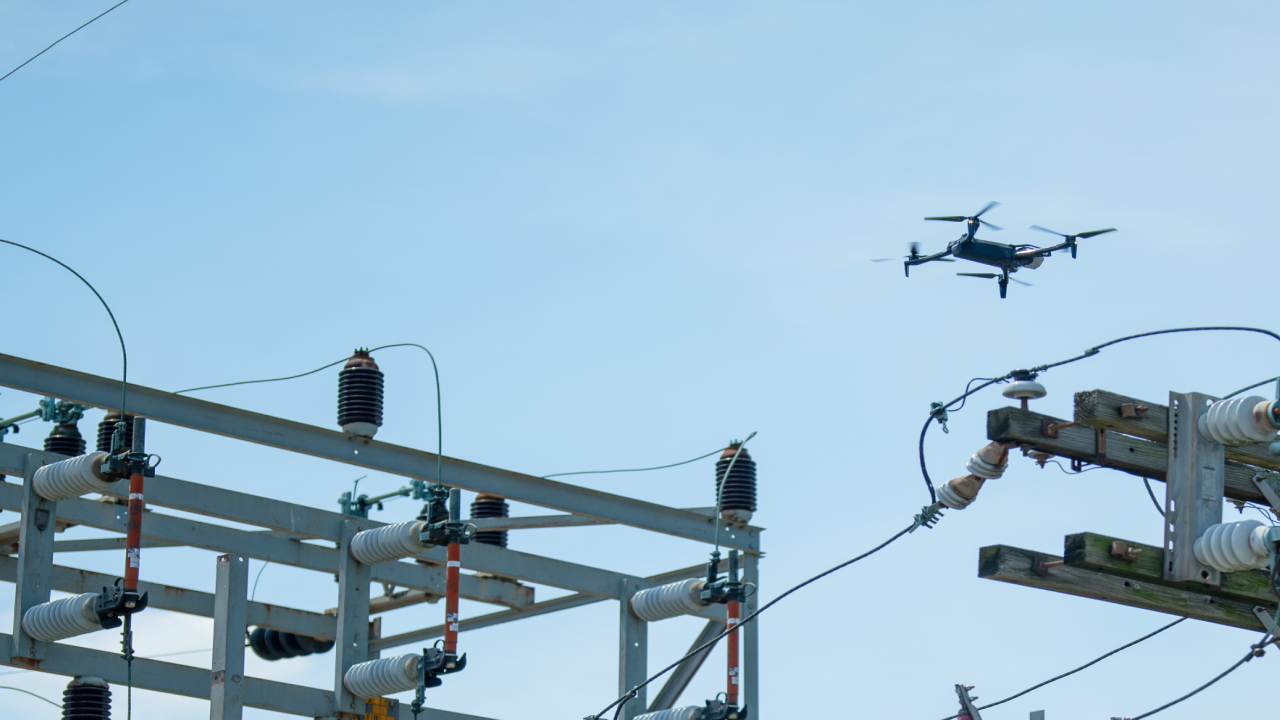
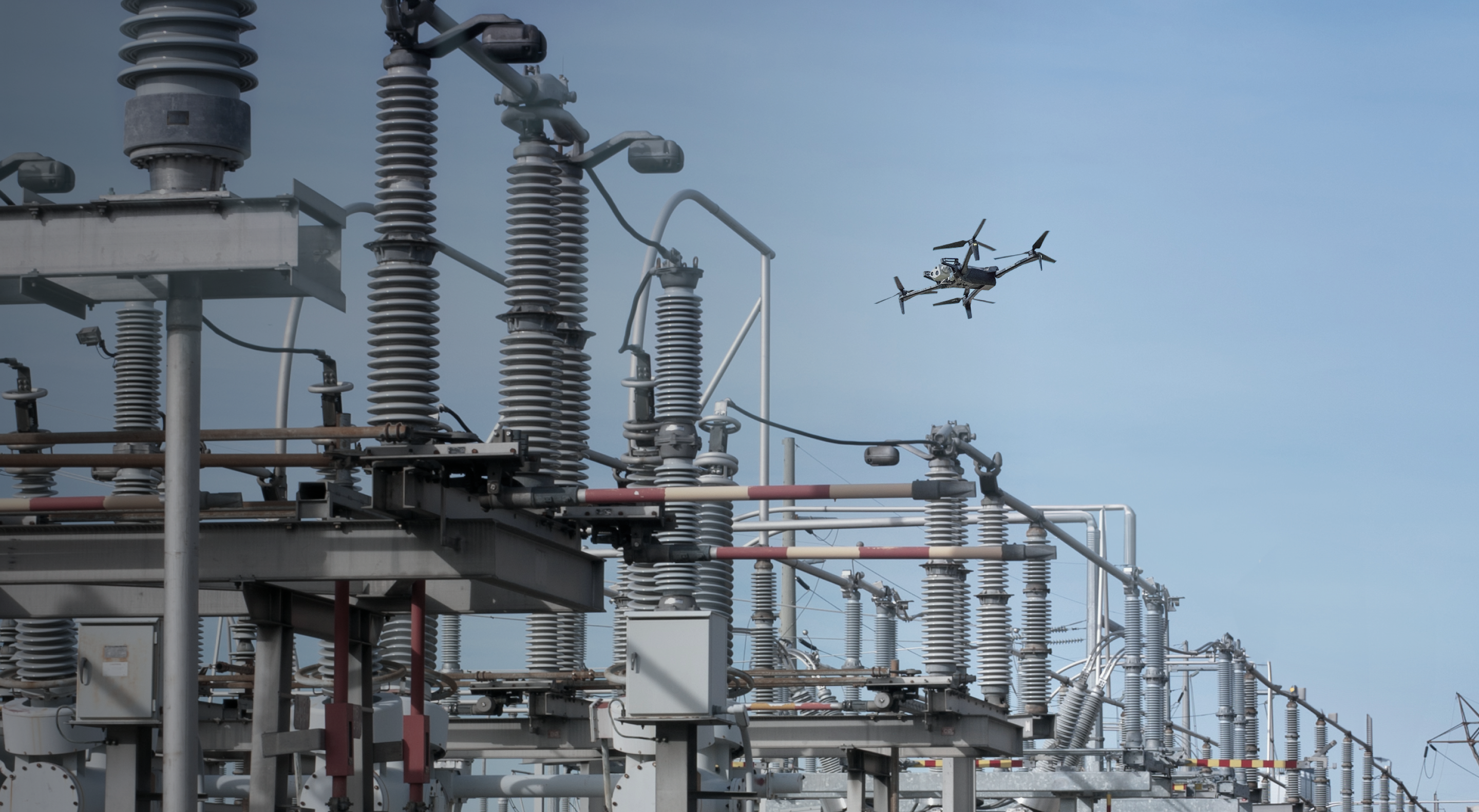
Bridges, substations, or towers are aging faster than programs can inspect them. Skilled climbers and confined-space crews needed to check them are harder to staff every year. Skydio replaces high-risk inspections with an automated, repeatable program, so your team inspects more assets, more often, without adding headcount or putting workers at unnecessary risk.
See every detail.
Before it’s too late.
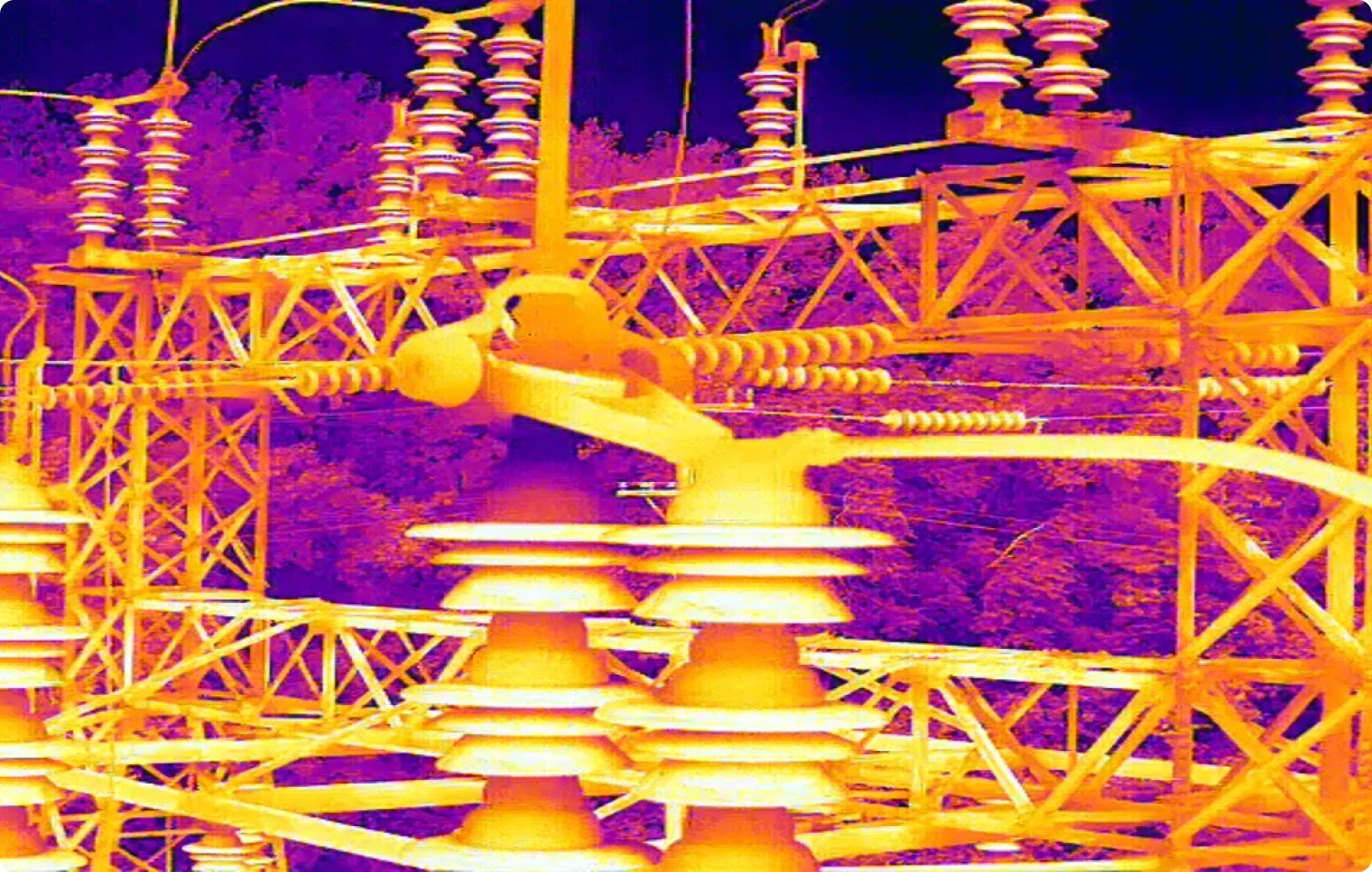
With best-in-class sensors, thermal imaging, and the ability to access hard-to-reach vantage points, you’ll get a complete picture of your assets down to the millimeter, to stop incidents before they start.
Keep your team and your assets safe.


Traditional inspections put workers in hazardous positions: climbing, rappelling, working from scaffolds, entering confined spaces, and working near energized equipment. Skydio drones inspect the same assets from the ground, remotely, or inside structures without anyone entering, so your teams don't have to take those risks.
Run inspections at scale.
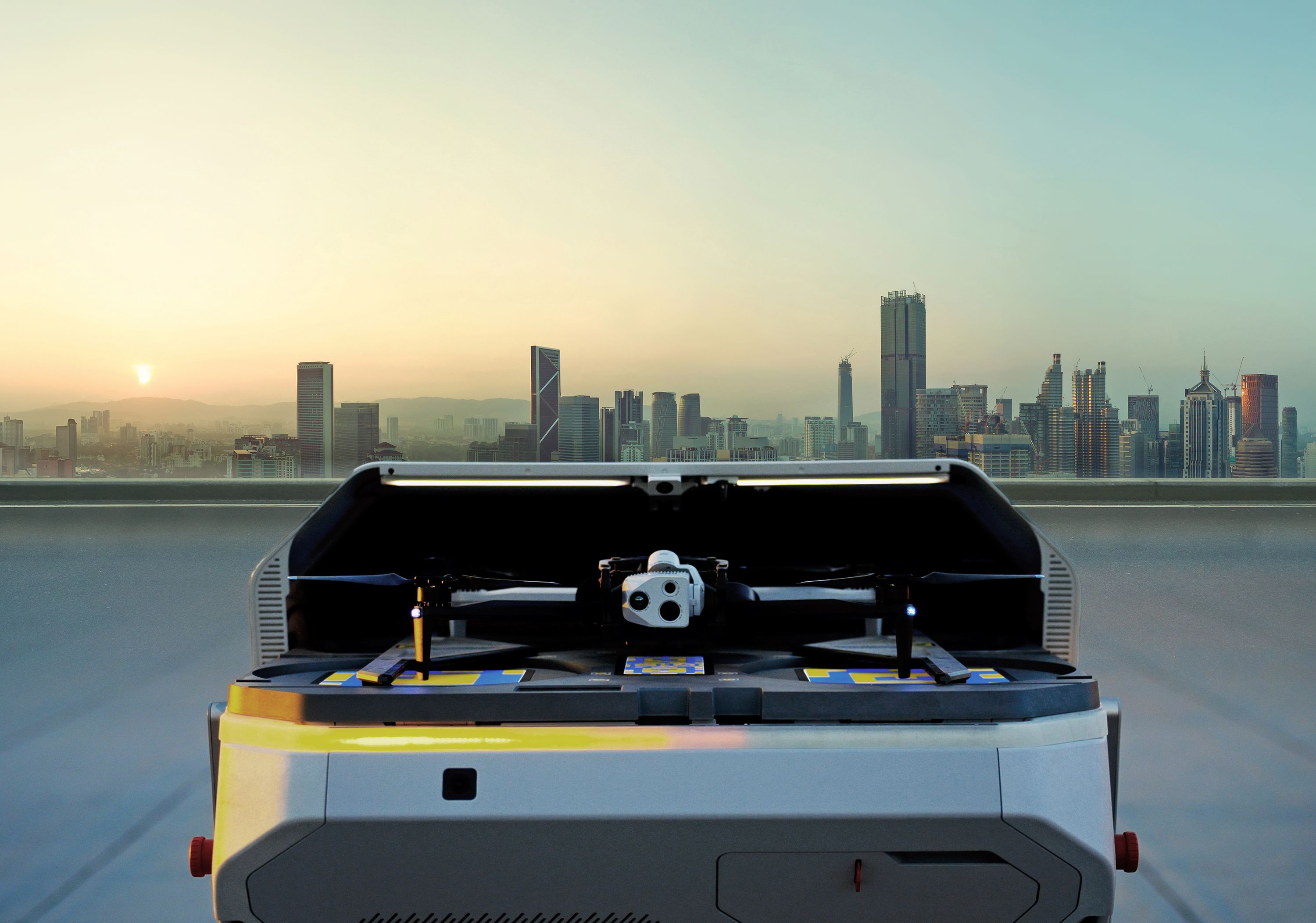
A single inspection tells you the condition of one asset on one day. Asset Command runs the program: cycles repeat on the cadence you set—annual, seasonal, post-storm, or on request—with the same shot sheet applied to the same assets every time, flown from Skydio Dock for X10 with no pilot on site. Coverage extends across more of the network without adding headcount to match.
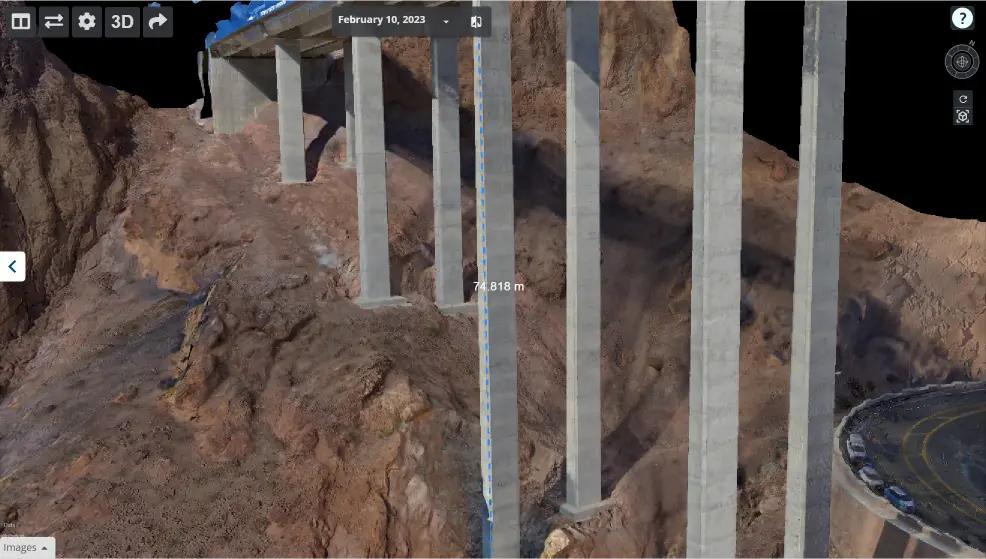
Scan assets autonomously for detailed, interactive 3D models.
Using your preferred photogrammetry software, the result is clean, inspection-grade 3D models and maps, so teams can analyze, measure, and act with confidence.
A complete workflow for inspections large or small.

For industries our civilization runs on.
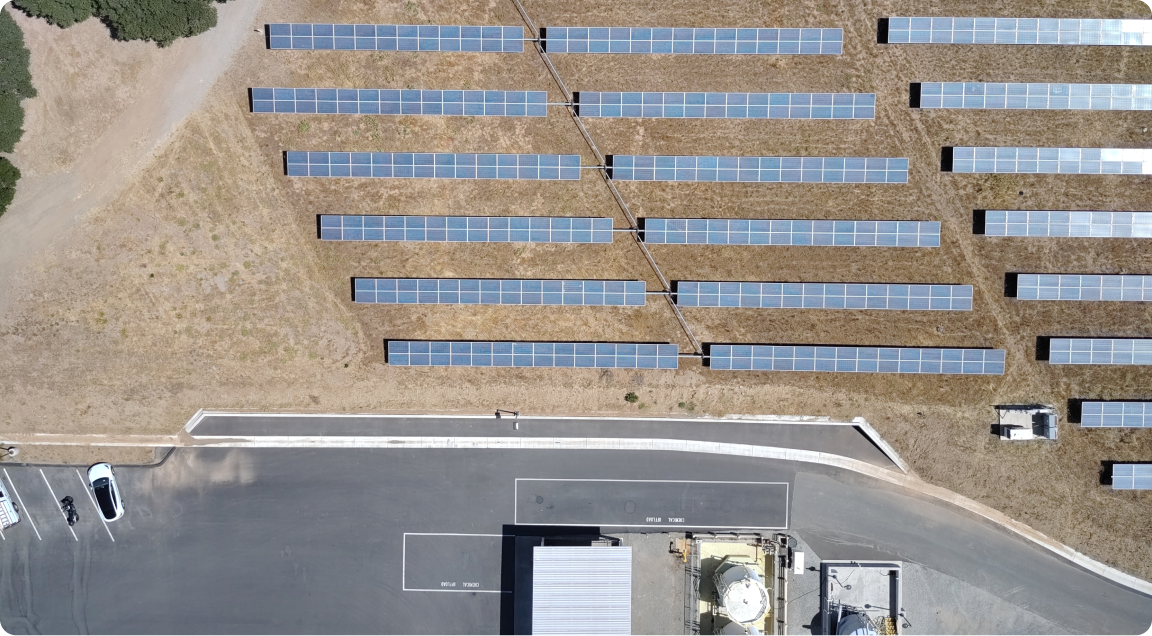
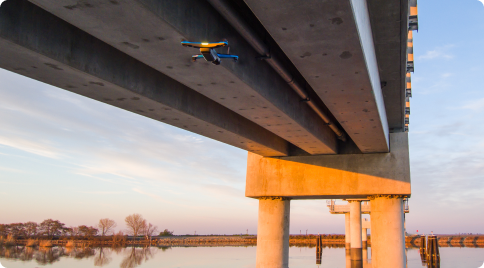 Solar installations.
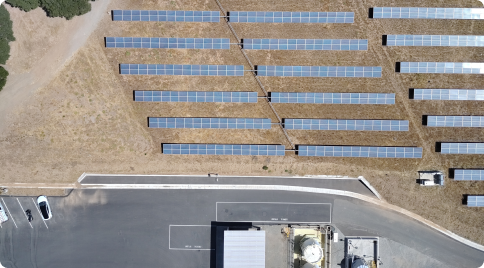 Telecoms assets.
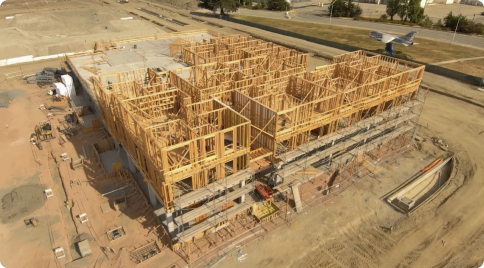
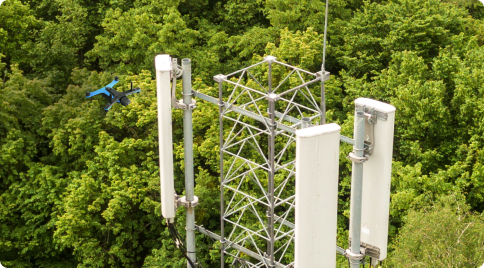 Construction sites.
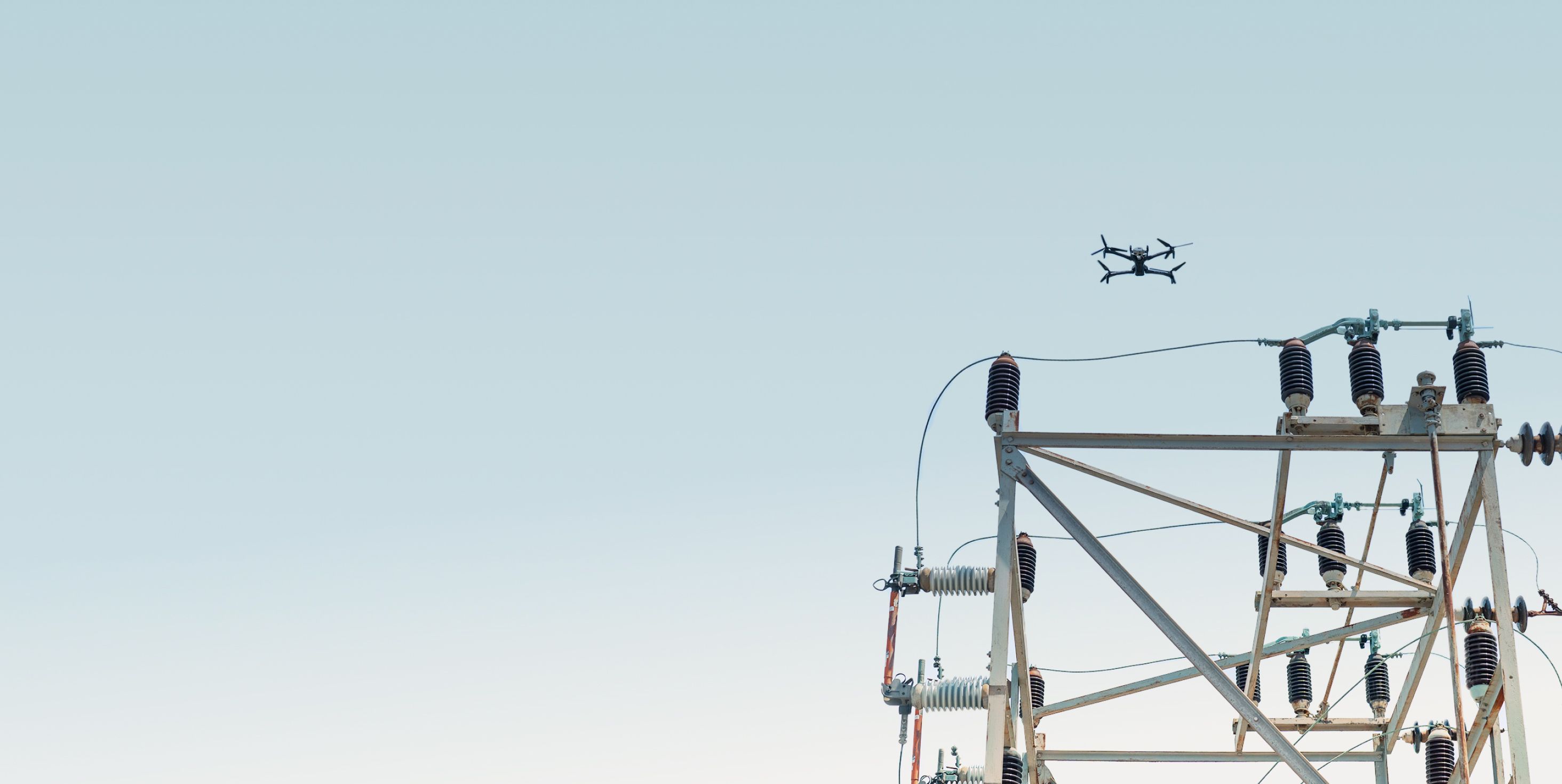
 Utility infrastructure.
 Oil and Gas.
The right tool for any task.
Put entire sites in focus with
state of the art camera modules.
Taken with VT300-Z. Narrow camera module
50mm, f/2.8, 1/500s, ISO 200
Detect anomalies down to the
.1mm level.
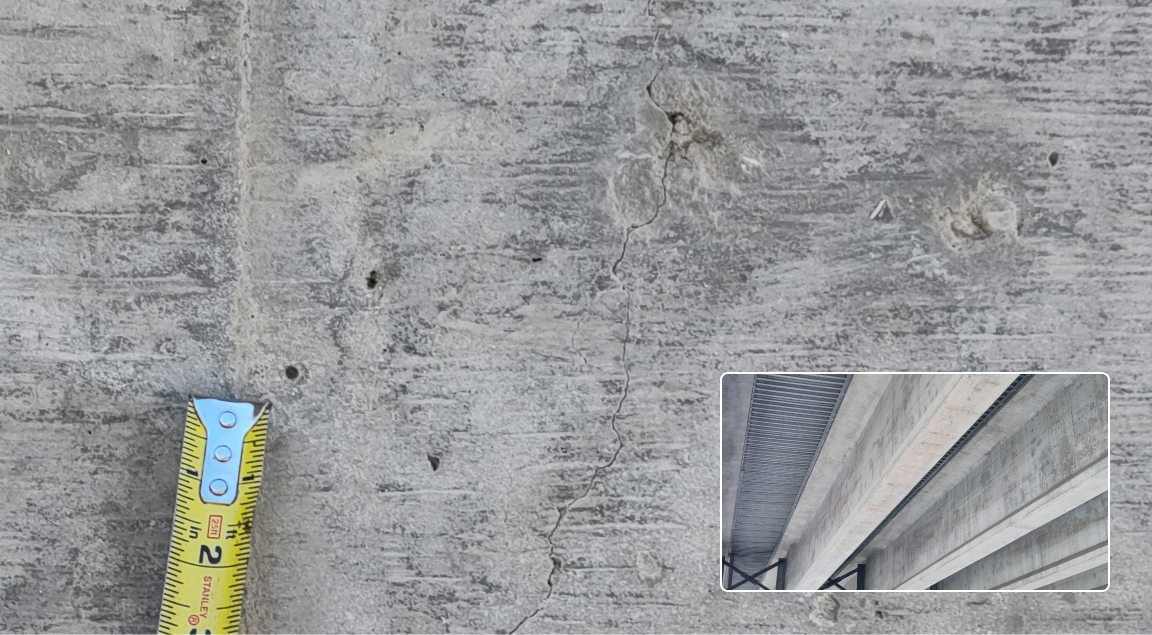
Taken with VT300-L. 1” Wide module & onboard light
50mm, f/2.8, 1/500s, ISO 200
Inspect every detail from safe distances
with a telephoto lens module.
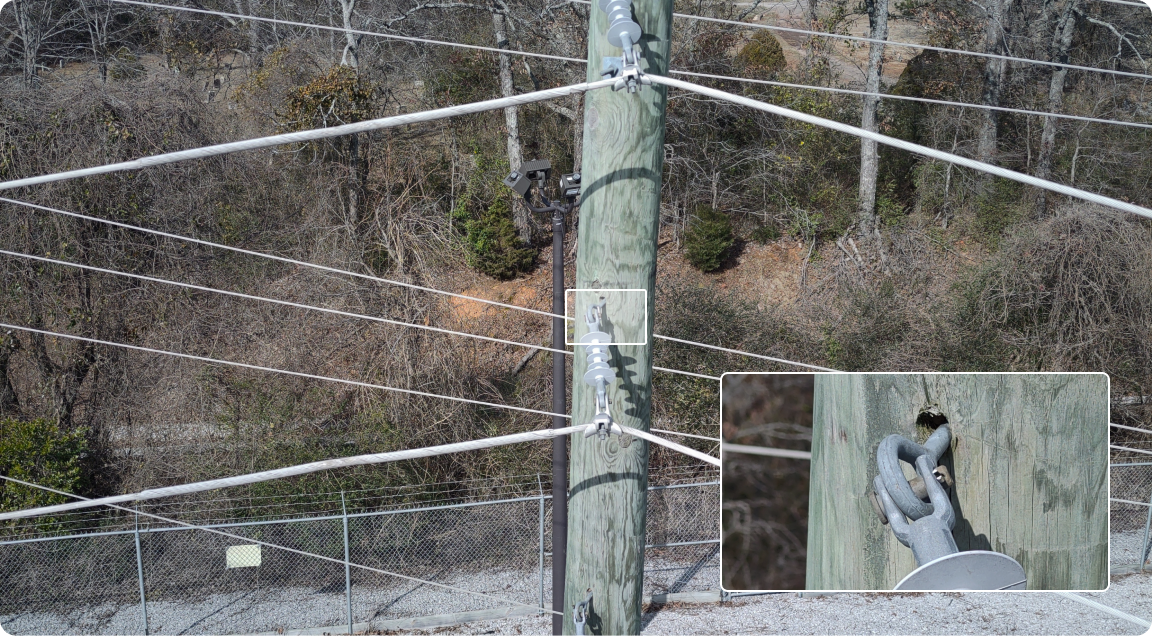
Taken with VT300-Z. Telephoto lens
50mm, f/2.8, 1/500s, ISO 200
See inside dark, confined spaces
With R10.
Get outstanding images in low light with
extended HDR capabilities.
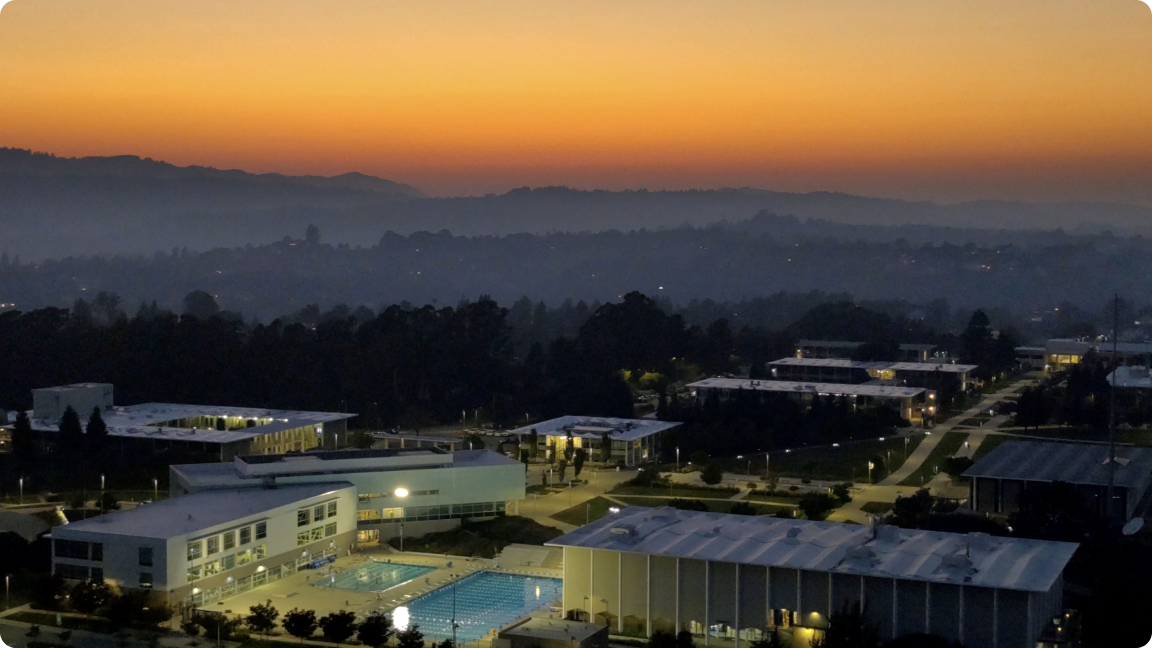
Taken with VT300-Z. Narrow camera module
50mm, f/1.8, 1/300s, ISO 800
A complete solution for scaled inspection operations.


Put autonomous aerial capture to work for your inspections.
Resources
Learn more about asset inspection.
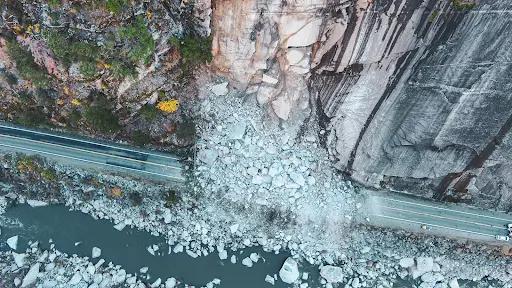
The Impact of Drones on Infrastructure Inspection and Projects
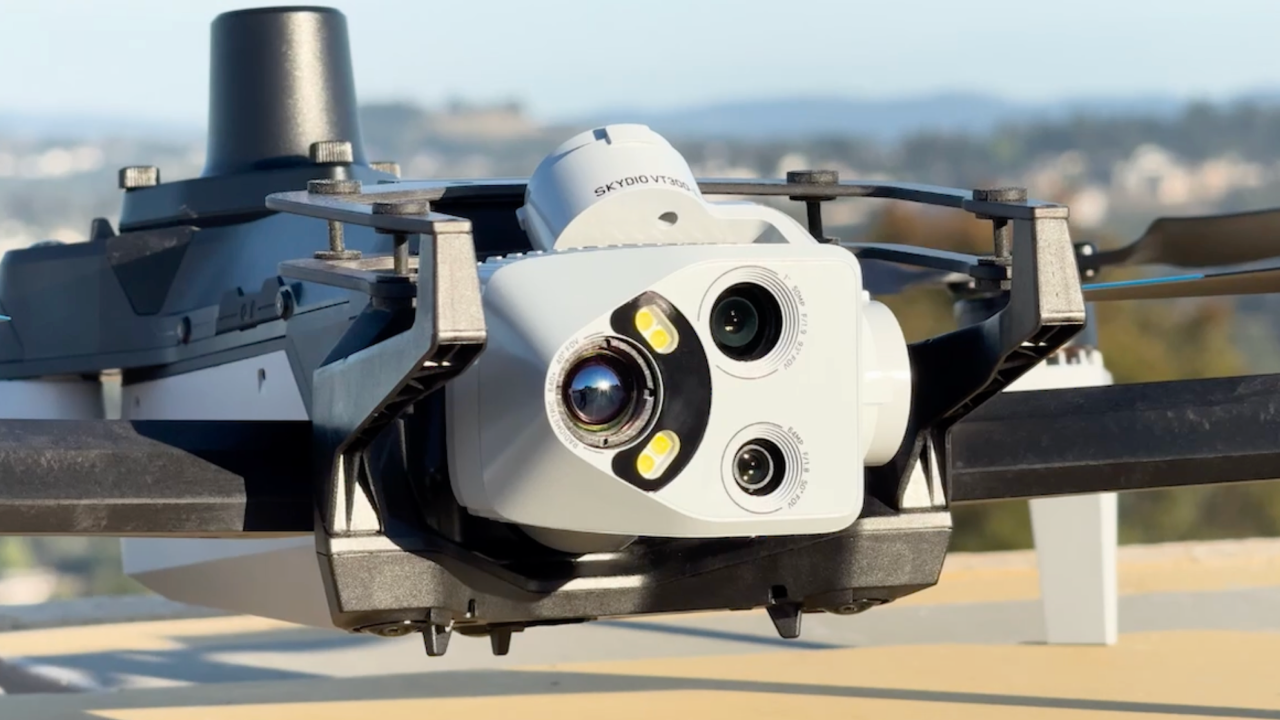
Real-world accuracy testing of the Skydio X10 with RTK
Transforming the Way Bridges are Inspected with Skydio